
Building wealth is not about chasing hot stocks. It is about doing a few simple things consistently over a long period: saving, investing wisely, managing risk, and keeping your emotions in check and before any of that comes knowledge.
That is where books play a massive role. The right wealth creation book does not just teach numbers; it reshapes how you think about money, success, and freedom.
In this guide, we have handpicked 10 of the best wealth creation books that cover mindset, investing, behaviour, and long-term financial independence. These books offer timeless lessons that compound just like money does.
What is Wealth Creation?
Wealth creation is the process of building assets that grow over time and generate income. This could include investments like equity, mutual funds, businesses, real estate, or any asset that compounds over time.
For example, earning ₹1 lakh a month is good. But investing part of that income regularly so it grows into ₹1 crore over time is wealth creation.
How do you Create Wealth?
Across all great wealth books, a few patterns repeat:
- You spend less than you earn
- You invest the difference consistently
- You stay invested through ups and downs
- You avoid emotional money decisions
- You focus on the long term, not quick wins
List of 10 Best Wealth Creation Books
| S. No. | Book Name | Year | Name of the Author | Rating (Goodreads) |
|---|---|---|---|---|
| 1 | Rich Dad Poor Dad | 1997 | Robert T. Kiyosaki | 4.1 |
| 2 | Think and Grow Rich | 1937 | Napoleon Hill | 4.2 |
| 3 | The Psychology of Money | 2020 | Morgan Housel | 4.4 |
| 4 | The Richest Man in Babylon | 1926 | George Samuel Clason | 4.3 |
| 5 | The Millionaire Next Door | 1996 | Thomas J. Stanley & William D. Danko | 4 |
| 6 | I Will Teach You to Be Rich | 2009 | Ramit Sethi | 4 |
| 7 | The Simple Path to Wealth | 2016 | J.L. Collins | 4.3 |
| 8 | Financial Freedom | 2019 | Grant Sabatier | 3.9 |
| 9 | Secrets of the Millionaire Mind | 2005 | T. Harv Eker | 3.9 |
| 10 | The Total Money Makeover | 2003 | Dave Ramsey | 4.3 |
Overview of Wealth Creation Books
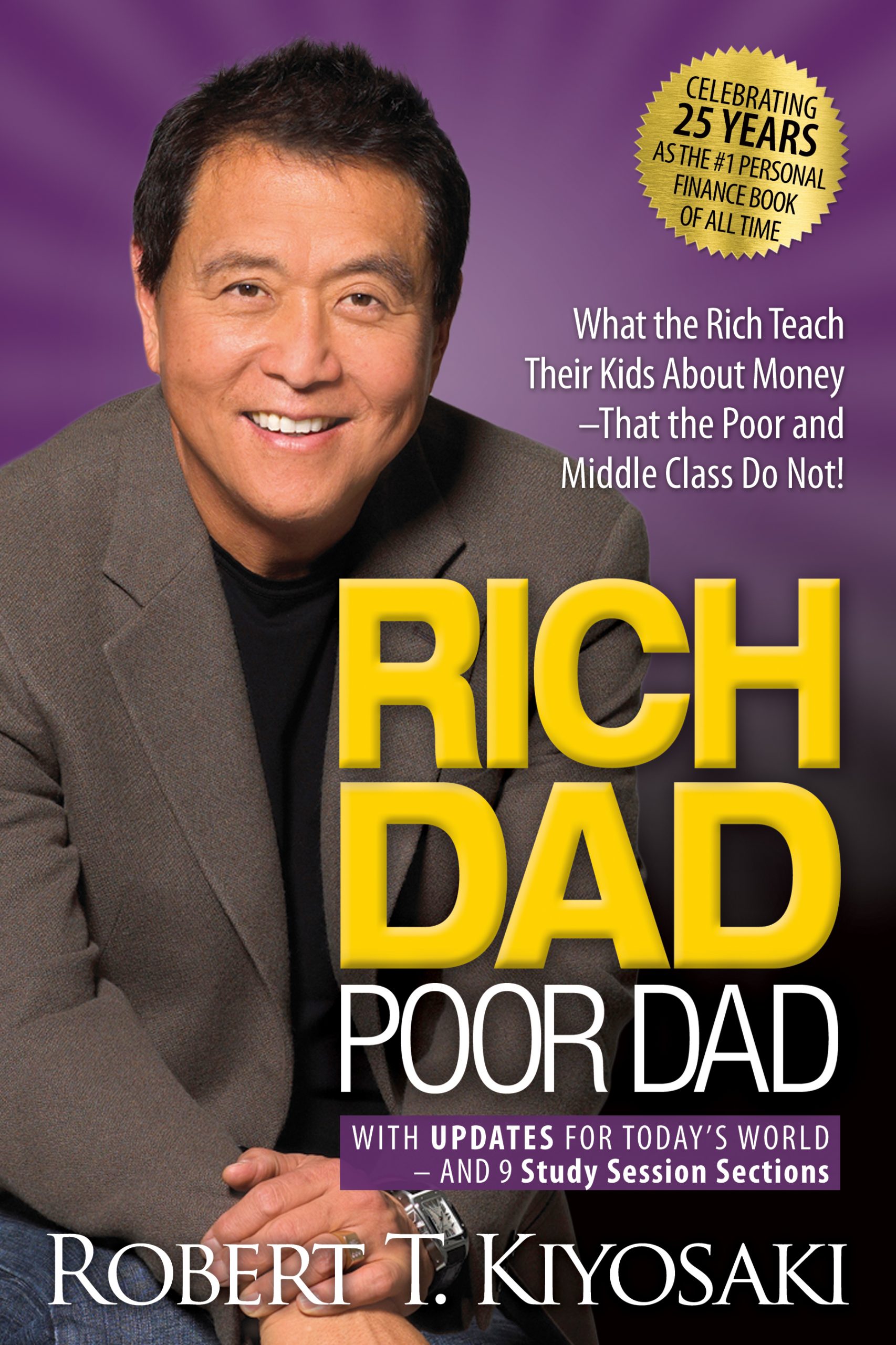
1. Rich Dad Poor Dad by Author – Robert T. Kiyosaki
This book is often the starting point for people who begin thinking differently about money. It shows lessons drawn from the two ‘dads’. The ‘poor dad’ values education and job security, a stable salary while the ‘rich dad’ focuses on financial literacy, assets and entrepreneurship.
Instead of focusing on salary and job security, Kiyosaki introduces the idea of assets vs liabilities.
The biggest takeaway is learning why financial education matters and why working hard alone does not guarantee wealth.
Many people upgrade their lifestyle with every salary hike. This book makes you pause and ask: Is this purchase helping me become free, or locking me into more expenses?
2. Think & Grow Rich by Author – Napoleon Hill
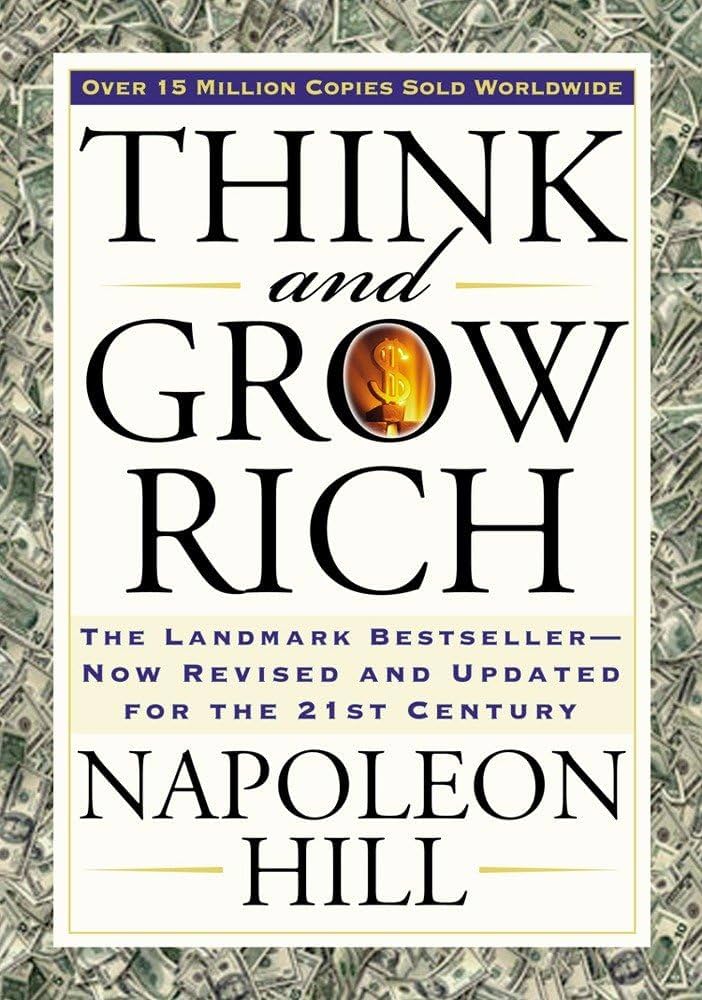
The author studied successful people and discovered that clarity of purpose, belief, and persistence were common traits among them.
It is about discipline, consistency, and long-term vision that investors badly need. The book highlights 13 steps to riches and explains that success comes from defined goals and not by chance or inheritance.
It should be read by someone who stays invested during market crashes, usually doesn’t panic because they believe in their long-term plan.
3. The Psychology of Money by Author – Morgan Housel
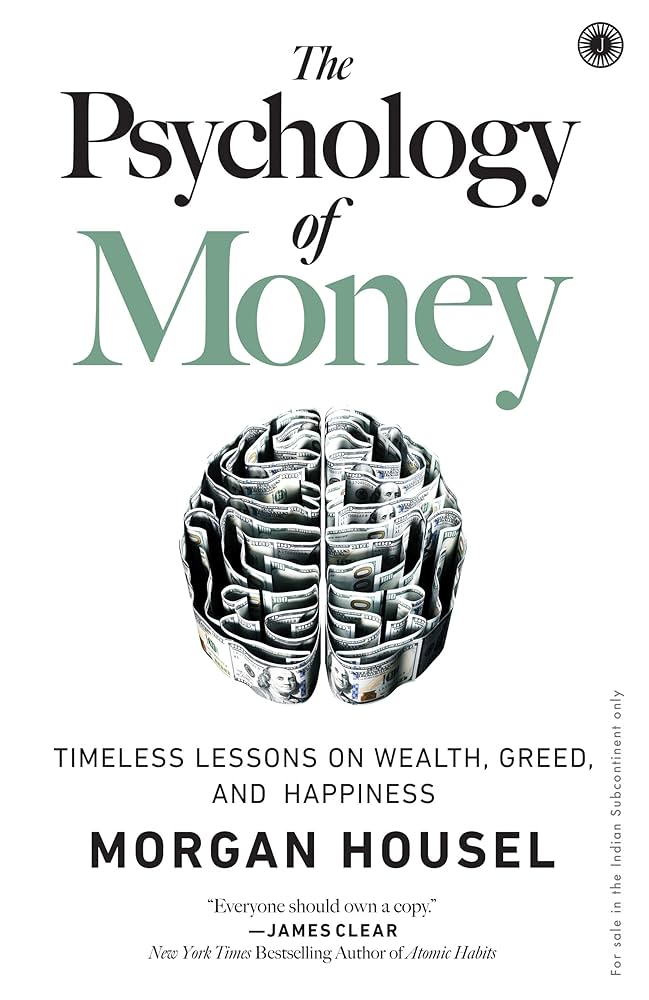
This book explains something most finance books ignore: money decisions are emotional, not mathematical. It highlights that ‘wealth is what you do not see, emphasising savings over consumption.
People do not fail financially because they do not understand returns. They fail because of fear, greed, impatience, and comparison. Housel shows how average investors can outperform smart ones simply by being patient and disciplined.
4. The Richest Man in Babylon by Author – George S. Clason
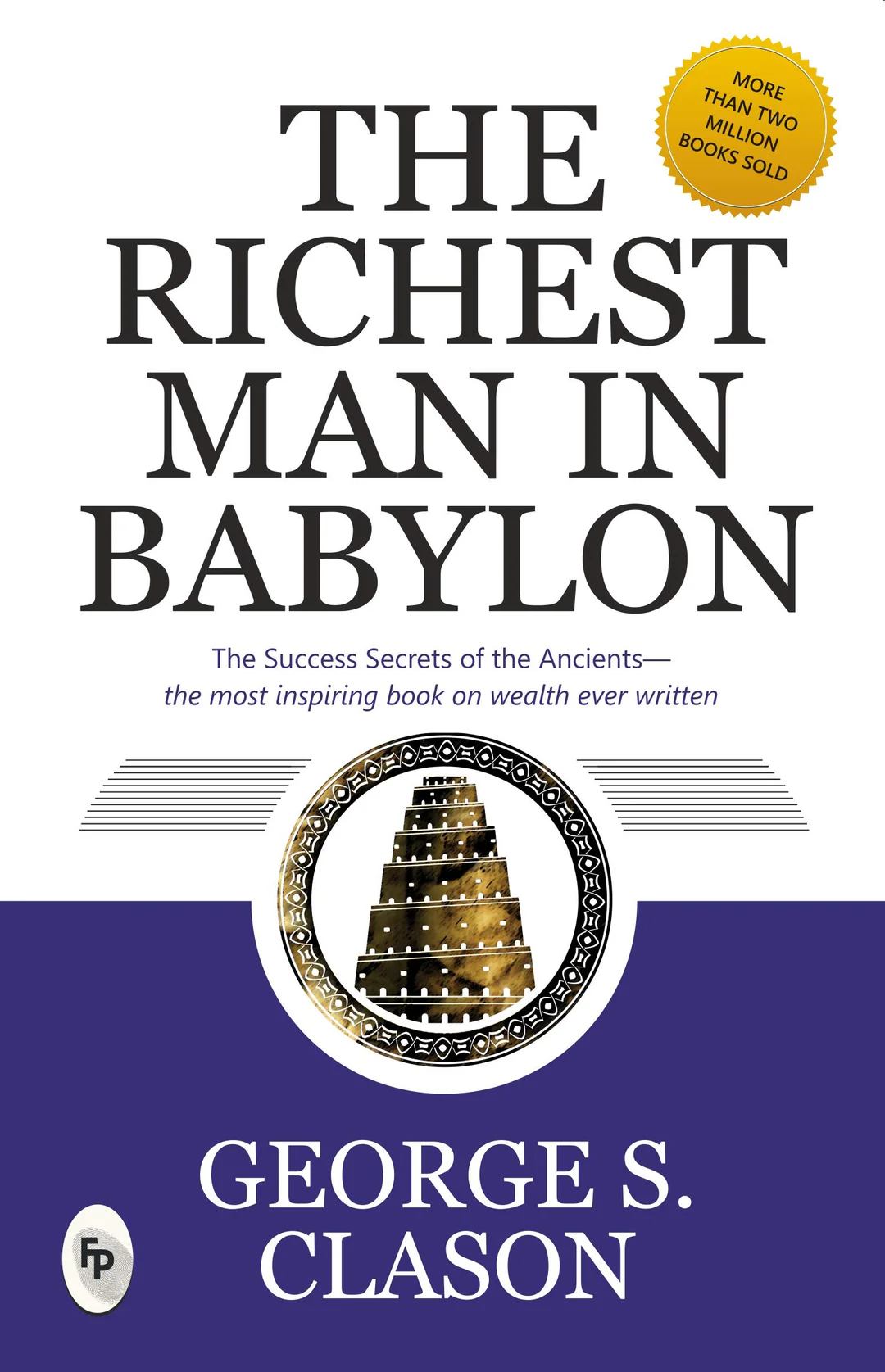
This book teaches money basics through short, memorable stories. Basically, it explains save before you spend, not the other way around.
The lessons are basic but powerful: saving regularly, investing carefully, and avoiding unnecessary debt.
The book summarizes financial success into easy rules: Pay yourself first, Control thy expenditures, Make your gold multiply and Guard your treasures from loss. These parables recommend saving discipline, careful investment and lifelong learning as secrets to success.
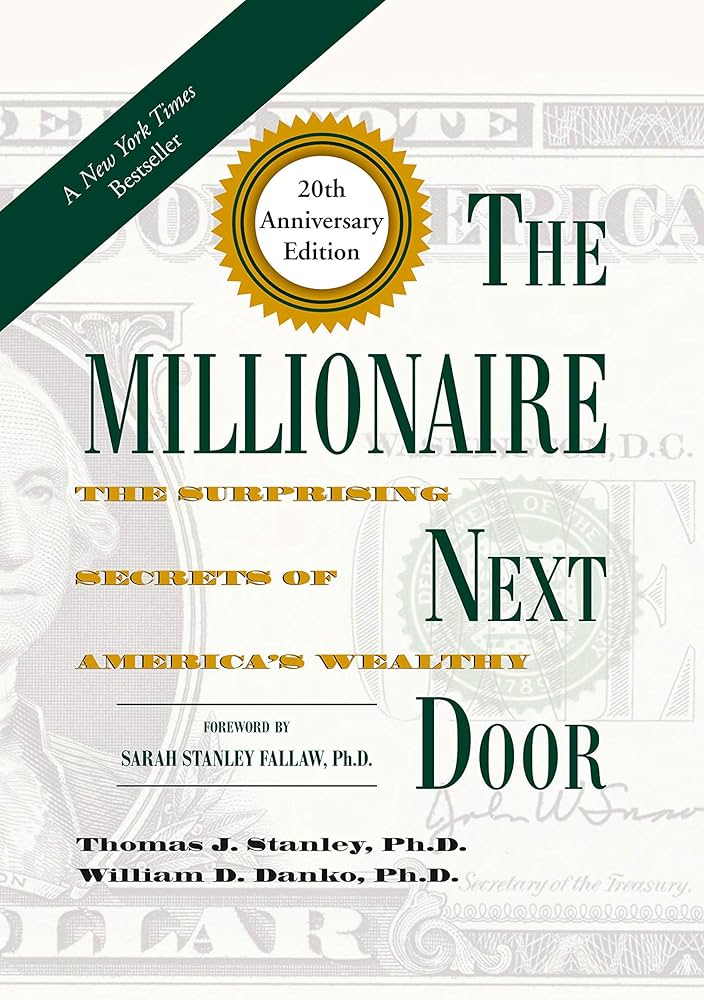
5. The Millionaire Next Door by Author – Thomas J. Stanley & William D. Danko
The book is a bestseller in the personal finance category. It breaks the myth that wealthy people live an extravagant life. Millionaires create a budget, live quietly, avoid debt, keep their investments align and do not chase appearances.
Based on the extensive surveys and interviews, the author analysed multiple households with more than $1 million. The core findings are that most US millionaires are self-made and work in modest professions
For example, a neighbour driving a basic car and living simply may be far wealthier than the person with luxury EMI commitments.
6. I Will Teach You to be Rich by Author – Ramit Sethi
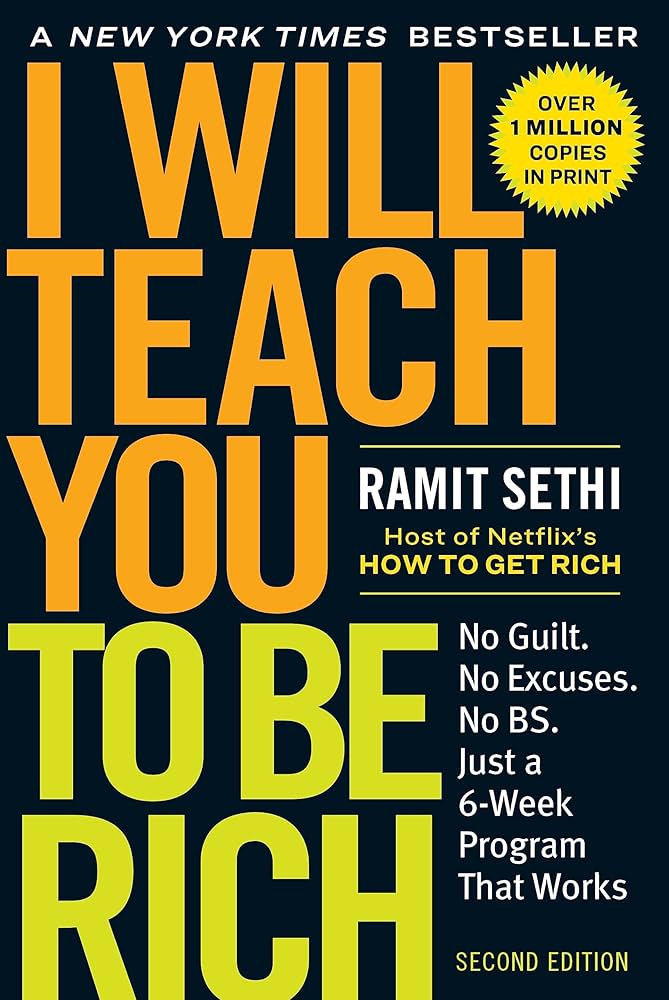
This book is practical, modern, and action-oriented. Instead of extreme budgeting, the author focuses on automating savings, investments, and bills, and letting systems handle money. It was first published in 2009 and was updated in 2019.
The book is organised into a 6-week plan and simplifies financial concepts such as asset allocation and credit optimisation.
It can be a good read for beginners who have just started their work life.
7. The Simple Path to Wealth by Author – JL Collins
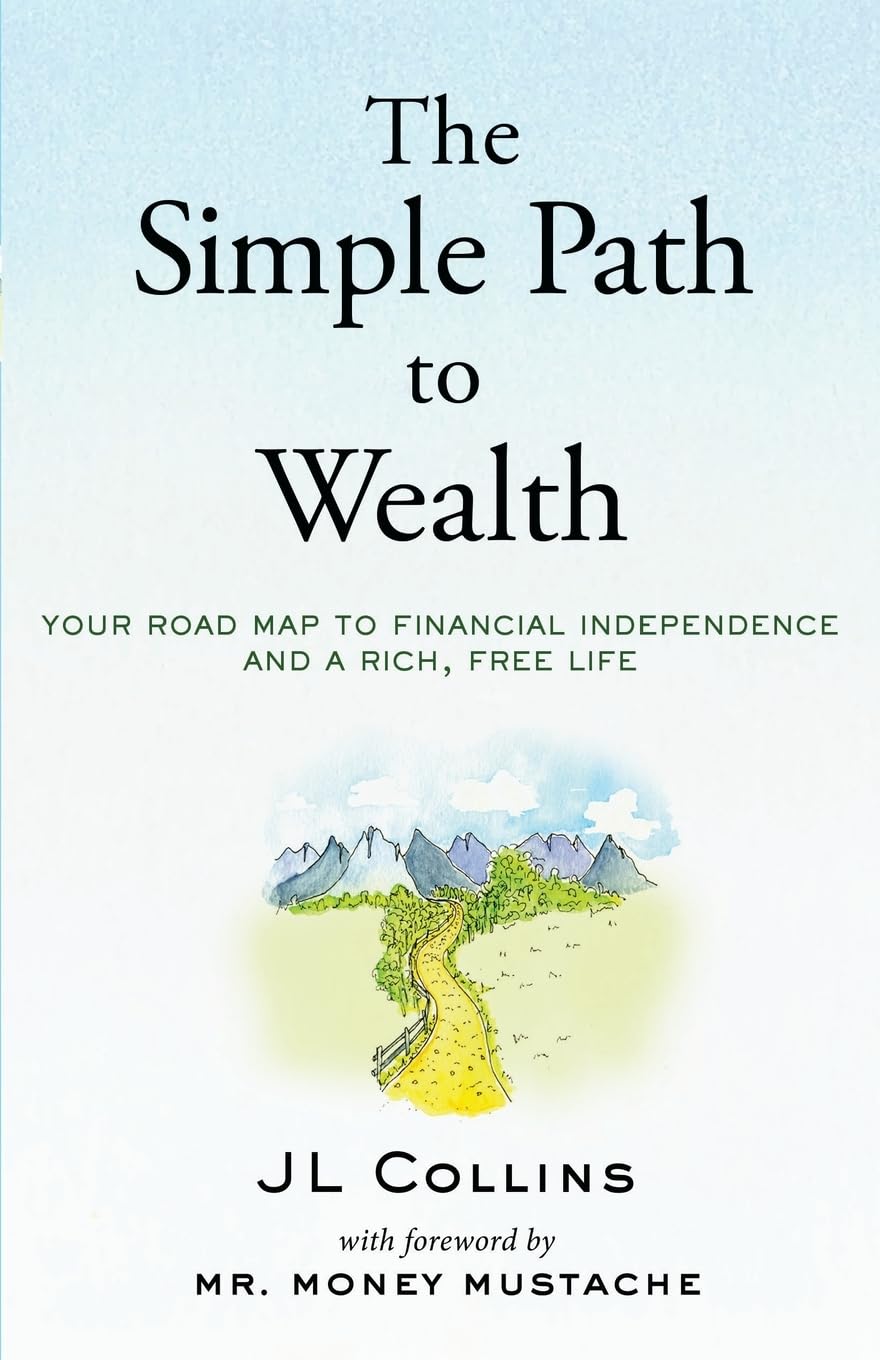
If you prefer simplicity over complexity, this book is gold. The book explains how ordinary people can build financial independence. It can be a good read for beginner to intermediate individual investors.
Collin wrote blog letters to teach his daughter about money management, debt, and surplus investment, which was later expanded into a book.
It promotes low-cost, long-term investing, especially through index funds, and staying invested regardless of market noise.
No timing. No stock tips. Just patience.
8. Financial Freedom by Author – Grant Sabatier
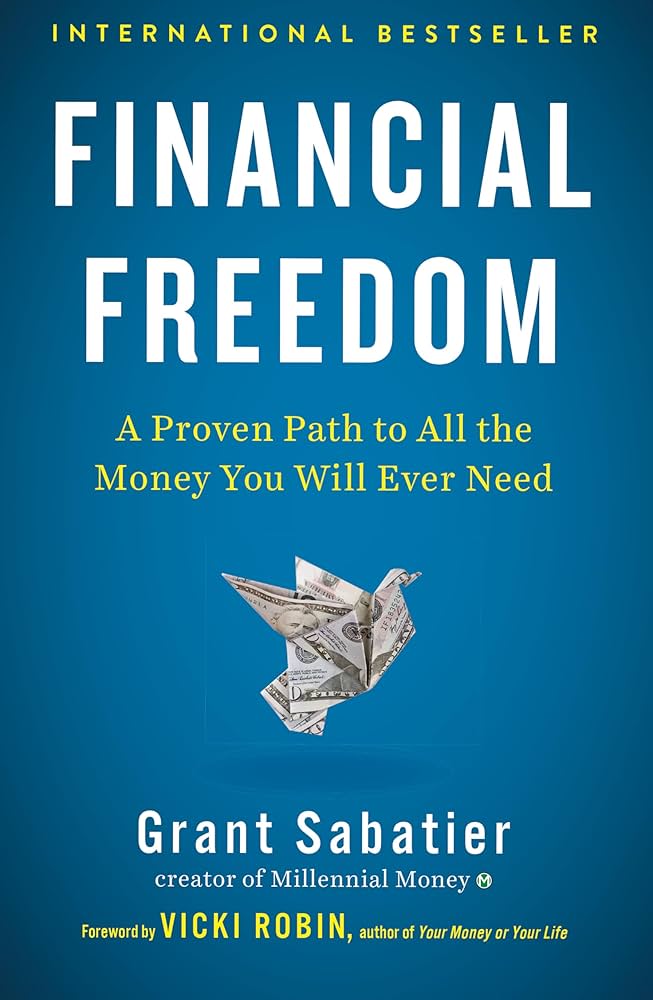
This book focuses on reaching financial independence faster than the traditional retirement path.
It talks about increasing income, reducing unnecessary expenses, and investing aggressively but intelligently. The book gained recognition in the FIRE (Financial Independence Retire Early) movement for its motivational approach.
The book focuses on three key factors that can help you achieve financial freedom far before retirement. These factors are increasing income, cutting expenses, and maximising investment growth.
9. Secrets of the Millionaire Mind by Author – T. Harv Eker
If you believe “money is bad” or “rich people are greedy,” your financial growth often stalls subconsciously. The book helps reset those beliefs.
It argues that long-term wealth and success primarily stem from one’s mind and attitude, rather than external factors, such as education.
The author encourages readers to build wealth through both active and passive income streams.
For example, someone who is afraid of investing due to past losses may avoid equity altogether, which can hurt long-term wealth and lead to a misguided perception that money is not lucrative.
10. The Total Money Makeover by Author – Dave Ramsey
This book is ideal for people struggling with debt or poor money habits. It emphasizes budgeting, emergency funds, and step-by-step discipline before aggressive investing. You cannot build wealth if you have a weak foundation.
The book’s signature structure, seven “Baby Steps”, helps readers from emergency savings to wealth building.
The framework and structure of the book have made it a bestseller in personal finance literature. Over 5 million copies of this book have already been sold.
Conclusion
Wealth creation comes from many small, sensible choices made again and again, saving a little more each month, staying invested during volatile market phases, and avoiding impulsive financial moves.
That is what makes these books so valuable. They do not promise shortcuts or overnight riches. Instead, they help you build the right thinking patterns, money habits, and long-term perspective required to grow wealth steadily.
Reading just one good book may not change your finances instantly, but applying even one idea can help you compound into something meaningful over time.
Frequently Asked Questions (FAQs)
Are wealth creation books a good fit for individuals?
Yes. Many wealth books start with basics like saving, budgeting, and mindset, making them ideal even for people with no prior financial knowledge.
Would people like to read wealth creation books?
Yes. Most wealth books begin with the introductory concepts such as saving, budgeting and mentality, and hence are perfect even to individuals who have no previous financial knowledge.
Will reading books be sufficient to create wealth?
Books are a means of knowledge and understanding, but it is through continuous action, investing, and disciplined behaviour that wealth is created by putting ideas into practice.
Are these books relevant for Indian investors?
Yes. While examples may be global, the core principles of saving, investing, compounding, and discipline apply universally, including in India.
Should I read all wealth creation books or just one?
You do not need to read them all at once. Start with one book that matches your current financial stage and gradually expand your learning.