The financial markets offer vast opportunities for long-term wealth creation. Navigating this dynamic space requires reliable support and clear guidance. Many investors look for local experts to simplify the trading process and provide accessible services.
The gap between large broking houses and everyday retail investors are bridged by specialized intermediaries. A crucial role in expanding financial inclusion across the country are played by these professionals. Smooth transactions is ensured by them. Individuals are helped so informed investment choices can be made with absolute confidence and ease.
Who is authorised person
To participate in the financial markets, individuals cannot execute trades directly on a national exchange. They must route their investments through a registered stockbroker. However, major broking firms cannot maintain physical branches in every neighborhood. Therefore, they appoint local intermediaries to act on their behalf and serve regional clients.
Understanding the definition is simple when looking at an authorised person in stock market. This entity is an individual or business approved by a stock exchange to provide trading services locally. They operate strictly under the brand name of the appointing stockbroker.
Previously, these financial intermediaries were widely known as sub brokers. In 2018, the regulatory authorities officially discontinued the sub broker category. Today, the industry exclusively uses the updated term for these registered partners.
These intermediaries provide an accessible entry point for beginners. They do not charge clients directly for their assistance. Instead, they earn a shared commission from the brokerage fees collected by the main stockbroker.
Eligibility and Registration of authorised person
Becoming a registered intermediary requires meeting specific criteria set by the exchanges. An applicant must be a citizen of India and at least 18 years old. The basic educational requirement is passing the 10th standard. Having a basic understanding of the financial markets is also highly recommended.
Additionally, applicants must have a clean legal record with no history of financial fraud. Certain brokers also require the applicant to hold a valid certification. The NISM Series VIII for Equity Derivatives is often mandatory for specific trading segments. These rules ensure that only capable individuals handle investor portfolios.
Roles of an authorized person
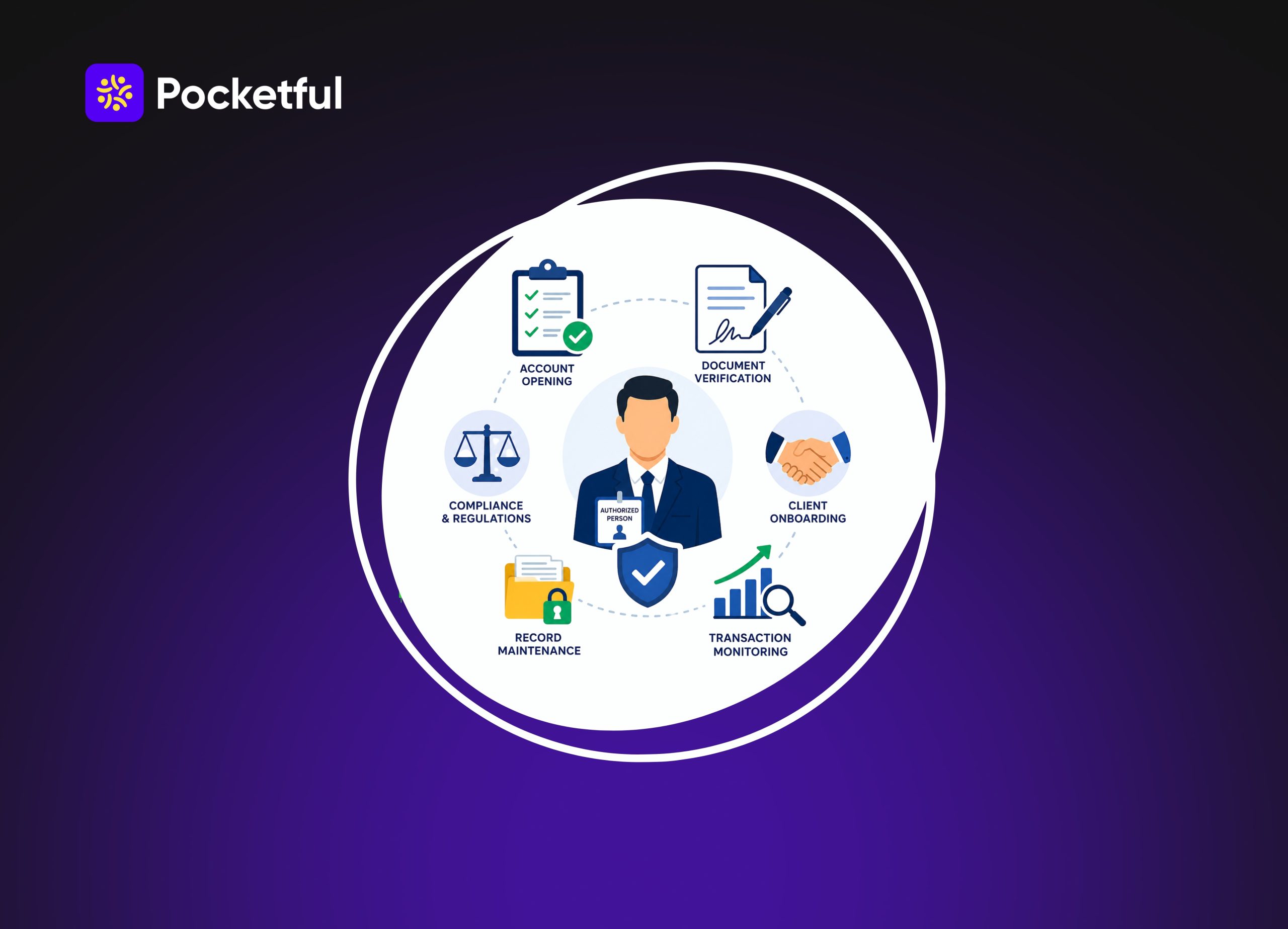
The duties of an authorized person cover various aspects of the trading ecosystem. Their responsibilities can be categorized from three different perspectives.
Perspective of the Stock Exchange
Even though these individuals are not direct exchange members, they contribute heavily to market growth. The exchange relies on them to maintain a secure trading environment.
- Expanding Market Reach: The primary function regarding the exchange is to maximize the volume of deals in a specific local area. By bringing in more retail participants, they increase overall market liquidity.
- Operating Under Franchise: They obtain a franchise from a registered stockbroker to offer services. This setup allows them to use official trading platforms securely.
- Maintaining Market Integrity: They act as important gatekeepers for the financial system. Their role involves preventing investors from submitting incorrect or fraudulent documents.
- Promoting Investor Awareness: They organize local seminars to educate the public. This directly supports the exchange’s goal of creating a financially literate population.
Perspective of the Stockbroker
Stockbrokers depend heavily on these local partners to scale their operations. The relationship is a mutually beneficial partnership built on trust and shared technology.
- Business Development: The most important role is to expand the client base for the stockbroker. They find new investors interested in financial markets and connect them to the broker.
- Assisting with Documentation: They help the broker by managing necessary paperwork and compliance. This includes indexing documents and replacing files marked as incomplete.
- Client Retention: Finding new clients is only one part of the business. These partners ensure existing clients remain active by helping them reinvest their funds.
- Ensuring Compliance: They strictly follow the internal policies of the broker. They ensure all local operations meet the regulatory guidelines set by the authorities.
Perspective of the Client
For a retail investor, this local partner is often the friendly face of the stock market. They provide personalized support that large corporate brokers might not offer directly.
- Facilitating Investments: They assist clients in opening demat and trading accounts quickly. They guide investors through the complex Know Your Customer verification process.
- Offering Market Suggestions: They share valuable market news, research reports, and trading insights. This helps investors understand market trends and make confident choices.
- Providing Operational Support: Many beginners struggle with modern trading applications. The local partner teaches clients how to use digital platforms and resolves technical issues.
- Relationship Management: They maintain continuous contact with their clients. They send newsletters, explain new investment products, and provide after sales service.
Read Also: Stock Broker vs Sub-Broker: Key Differences
Regulatory Guidelines and Restrictions
Operating as a financial intermediary requires strict adherence to regulatory rules. The authorities have established clear boundaries to protect retail investors. This creates a safe ecosystem for wealth generation.
Intermediaries are strictly prohibited from receiving or paying any money in their own name. All financial transactions must occur directly between the client’s bank account and the stockbroker. This rule prevents the mismanagement of investor funds.
Furthermore, they cannot issue official documents like contract notes or statements. Only the registered stockbroker has the authority to issue these legal documents. The local partner must also prominently display the broker’s registration details at their office.
Conclusion
The structured partnership between brokers and local intermediaries is a cornerstone of the financial ecosystem. This model ensures that individuals from all regions receive adequate attention and professional support. By acting as a dependable bridge, these professionals empower retail participants to navigate the markets safely. They simplify complex procedures and offer timely guidance to the public. Ultimately, this collaborative approach supports the robust and inclusive growth of the broader capital markets. Become an Authorised Person with Pocketful and unlock greater earning potential with the right support and tools to grow your business.
Frequently Asked Questions (FAQs)
What is the meaning of an authorised person?
They are individuals or entities appointed by registered stockbrokers to provide clients with safe access to official trading platforms.
What are the benefits of authorised person services?
They provide personalized support, local guidance, and physical help with account opening, making investing much simpler for beginners.
How to use their services for investing?
Investors can approach them to quickly open a trading account, learn how to use trading applications, and receive regular market updates.
Can they collect cash directly from investors?
No. Financial regulations strictly mandate that all funds and securities must go directly into the official stockbroker’s bank account.
Are these professionals regulated by authorities?
Yes. They operate under the strict rules of the stock exchange and are constantly monitored by their appointing stockbroker