Category: Trading

  • What is a Short Build Up in the Stock Market?

    What is a Short Build Up in the Stock Market?

    Market trends and sentiment are important in stock trading as they significantly influence the price movements of an asset. A short build up indicates a bearish sentiment. For traders and investors, grasping the concept and consequences of a short buildup is important, as it can help identify future market trends, increased volatility, and lucrative trading opportunities.

    In this blog, we will explore the concept of short build up: what it is, its key characteristics, and its implications for traders.

    What is a Short Build Up?

    A short build-up refers to a situation when the open interest and volumes of a derivative instrument rise while the price of the underlying asset falls. This often signals that market sentiment is getting more bearish about the asset, and traders can expect its price to continue declining. Traders analyze real-time market data, like price and open interest, or use technical analysis software to spot trends.

    Example: A 3% drop in the stock of XYZ company, along with a 10% rise in open interest for its futures contract, may indicate a short build-up.

    Key Characteristics of a Short Build Up

    Some of the key characteristics of a short build up are listed below:

    • Increase in Open Interest: Open interest (OI) means the total number of outstanding derivative contracts that have not been settled. There is a noticeable increase in OI during a short buildup, indicating more traders are creating short positions, anticipating a price drop.
    • Decrease in Price: The price of an underlying asset, like a stock or index, usually drops during a short buildup. A price drop with rising OI shows that traders are expecting a downtrend.
    • Bearish Market Sentiment: A short build up shows negative market sentiment, with more traders expecting the asset’s value to drop. It often shows pessimism about a stock, sector, or the overall market.
    • Rising Short Positions: Traders actively create short positions, and a further decline is expected as sellers gain more control.

    How does a Short Build Up occur? 

    A short build up occurs when traders expect a stock or index to drop. A short build up occurs in the following phases:

    • The first step in the creation of a short build up is the shift in the market sentiment. Traders think that a stock or an index is overvalued or some negative news will drive prices lower.
    • The second step is when traders start taking short positions, expecting the prices to fall. They sell them at the current price. This is called short selling. The objective is to buy back the shares at a lower price and pocket the difference as profit. Market participants generally look for open interest data for the derivative instruments of the asset to identify a short build up.

    Short sellers increase downward pressure on the asset price, leading to declining stock prices. This reinforces the belief that prices will continue falling, attracting more short sellers. The decline in prices, combined with rising open interest, is a clear indication of a short buildup.

    As the stock prices fall, more traders participate, increasing the short buildup. Additionally, some long-term investors might panic and sell, increasing the downward momentum.  

    Implications for Traders

    Short buildups offer traders a mix of opportunities and risks. Some of the key implications are listed below.

    • Profits: A trader can generate huge profit by shorting an asset if they correctly predict its price decline. This means borrowing an asset at a high price, selling it right away, and then buying it later at a lower price when the price drops. Traders with long positions can sell the asset to protect against possible losses from a price decline.
    • Increased Risk: Short build-ups often happen during market volatility, increasing the risk of losses. One such situation is a short squeeze. In a short squeeze, the price of an asset increases sharply, and as short sellers rush to cover their positions, the price further increases, which can result in losses for short sellers. Furthermore, if an asset’s fundamentals improve, its price may rise even with a short build-up, causing losses for short sellers.
    • Trading Opportunities: A short build-up offers many trading opportunities in derivative instruments like options and futures. For instance, traders can profit by buying put options, which gain value when the underlying asset price decreases. Traders can take advantage of a short buildup by buying puts, selling futures, or using bear spreads.
    • Impact on Sector or Market-Wise Trends: Sometimes, a short build up can happen across an entire sector or index, showing widespread negative sentiment about that sector or the overall market. Traders can identify short build ups in multiple sectors to understand broader market trends, and they may choose to move away from at-risk sectors and concentrate on safer investments, or they might search for stocks within those sectors that have the potential to excel despite prevailing negativity.

    Read Also: What is a Long Build Up in the Share Market?

    Conclusion

    For traders, a short buildup is an important market sentiment indicator. It indicates an anticipated price decline, higher volatility, and the risk of short squeezes. A short buildup often features a decline in the market price of the asset along with an increase in open interest of the derivative contracts of the asset. Short buildup across various sectors can help traders and investors identify bearish trends. Understanding the dynamics of short buildups can enhance trading strategies and lead to more informed decision-making.

    Frequently Asked Questions (FAQs)

    1. What causes a short build-up?

      A short buildup is caused by bearish sentiment in the market, often triggered by negative news, weak earnings, or global market declines.

    2. What is a short squeeze?

      A short squeeze happens when a stock’s price rises unexpectedly, forcing short sellers to buy back shares at higher prices, causing the prices to surge even more.

    3. Can short build up lead to a rally?

      In a situation known as a short squeeze, the asset price can rise despite a short buildup.

    4. What risks are involved in short selling?

      The primary risk involved during short selling is unlimited losses. If the stock prices rise instead of falling, short sellers must buy back shares at a higher price, possibly losing more than their initial investment amount.

    5. How can investors take advantage of a short build up?

      Investors can take advantage of a short build up by buying put options or reducing exposure to the asset. 

  • Three White Soldiers Pattern

    Three White Soldiers Pattern

    The”ThreeWhiteSoldiers” is a bullish pattern used in the technical analysis to predict a potential reversal in a downtrend. It consists of three consecutive long-bodied white (or green) candles that closehigher than the previous candle, indicating the strong buying momentum. Traders use this pattern as a signal to create long positions, as it often reflects a shift in the market control from sellers to buyers. Understanding that “ThreeWhiteSoldiers” can help the investors to identify the potential upward trends in stock or asset prices.  

    In this blog, we will discuss the Three White Soldiers pattern, its interpretation, advantages and limitations. Moreover, we will explore how to determine target and stop-loss for this pattern with the help of a real-world example. 

    What is the Three White Soldiers pattern?

    The Three White Soldiers is a bullish reversal candlestick pattern which is used in the technical analysis to signal a potential shift from a downtrend to an uptrend. This pattern appears at theend of a bearish market, and it also indicates that thetidemay be turning in favor of buyers.

    Thepattern consists of three consecutive long-bodied white or green candles, each of which closes higher than the previous one. The Three White Soldiers candlestick pattern includes three candlesticks, which convey the following message:

    • First Candle: Marks theinitial sign of reversal showing a strong bullish moveafter a period of selling pressure. It typically opens near the low of the previous bearish candleand closes near its high.
    • Second Candle: Reinforces the shift in the market sentiment. It opens within or near the previous candle’s body and closes higher, which confirms the continued buying interest. Thesecond candleshould not havea long shadow as it reflects strength in thebuyers.
    • Third Candle: Confirms thebullish reversal. It opens within the second candle’s body as it closes even higher and establishes the strong upward momentum. Likethesecond candle, thethird candle should also haveminimal upper wicks that show the persistent buying pressure.

    Thekey feature of theThreeWhite Soldiers pattern is that each candleopens near theprevious candle’s body and closes near its high with minimal shadows indicating the steady and strong buying pressure.

    Interpretation of Three White Soldiers Pattern

    The Three White Soldiers pattern indicates a strong bullish reversal signal in technical analysis, reflecting a significant shift in market sentiment from bearish to bullish. When this pattern appears after a continued downtrend or during a period of market consolidation, it suggests that buyers are gaining control and that an upward trend may be on the horizon.

    Here’s how theThreeWhiteSoldiers pattern is typically interpreted:

    • Reversal Indicator: The appearance of three consecutive bullish candles indicates that selling pressure is weakening and the buyers have taken over. This is seen as a potential reversal of a downtrend and signalling that a new bullish phasemay begin.
    • Strength of theTrend: Theconsecutive long-bodied candles with minimal upper shadows suggests that buyers arein control and push the prices higher with confidence. The absenceof long wicks indicates that the market price closed near the high of the trading session, and it also underscores the strong buying momentum throughout the session.
    • Momentum Confirmation: Traders interpret this pattern as a confirmation of bullish momentum. If thesecond and third candles continue to open within or near theprevious candle’s body, it suggests sustained interest in buying and further validation of thestrength of thereversal.                                                                                      
    • Entry and Exit Signals: Many traders seetheThreeWhiteSoldiers pattern as an opportunity to create long positions and expect the bullish trend to continue. However, caution is advised if themаrket is already overbought, which can result in a false breakout followed by consolidation.

    Read Also: What are Candlestick Patterns? Overview and Components

    How to Determine the Target and Stop-Loss? 

    An investor or trader can determinetargets and stop-loss (SL) levels when trading the3 White Soldiers pattern by following thesesteps:

    • Entry Point: Create a long position аfter thethird bullish candlecloses, confirming theformation of the pattern.
    • Stop-Loss (SL): Set thestop-loss below the low of the first candle of the pattern. This protects against sudden market reversals and minimizes the potential losses if thebullish trend fails.
    • Target: Set a target based on a risk-reward ratio (typically 1:2 or 1:3). You can also use nearby resistance levels or previous swing highs to determinea target. 

    Example of Three White Soldiers Pattern of TATA MOTORS LTD.

    Example of Three White Soldiers Pattern of TATA MOTORS LTD.

    The above image shows Tata Motors’ price chart on a monthly time frame. The stock was in a downtrend and made a low of INR 265 in February 2016. The stock price increased significantly in March 2016, as indicated by the first green candle, which had an opening price of INR 301 and closed at INR 386. The stock made three consecutive bullish candles, and the Three White Soldiers pattern was completed in May 2016, when the stock price closed at INR 459. After the formation of the pattern, we can see that the stock price increased further and made a high of INR 598 in September 2016.

    Read Also: Three-Line Patterns

    Advantages of Three White Soldiers Pattern

    TheThreeWhiteSoldiers candlestick pattern is a popular pattern in technical analysis offering several advantages for traders looking to identify potential bullish reversal. Below аresomekey advantages of using this pattern:

    • ReliableBullish Signal: One of the major advantages of theThree WhiteSoldiers pattern is its reliability in signaling a trend reversal. It is formed after a downtrend, indicating a strong shift in market sentiment from bearish to bullish, making it a reliable indicator of a potential upward trend.
    • Easy to Identify: Thepattern consists of threeconsecutivebullish candlesticks, with each opening within the previous one’s body and closing higher. This makes it easy to spot and allows for quick decision-making.

    Limitations of Three White Soldiers Pattern

    WhiletheThreeWhiteSoldiers pattern is a useful tool for identifying the bullish reversals; it also has certain limitations that traders should beawareof:

    • Susceptible to other Market Factors: The pattern’s signal of a bullish reversal can be affected by various market factors, such as volatility, news, policy changes, political instability, etc.
    • FalseSignals in Sideways Markets: Thepattern is most effective in trending markets. In sideways or range-bound markets, the pattern may generate false signals leading traders to believea new uptrend is forming when, in fact, themаrket may continue to remain sideways.

    Conclusion

    In conclusion, theThree White Soldiers pattern is a reliableindicator of a bullish reversal, giving a clear signal of upward momentum. The pattern is easy to identify due to its simple structure and provides a complete trading setup for target and stop-loss levels. However, it should be used cautiously as falsesignals can occur, especially in sideways markets or due to other market factors. To maximizeaccuracy, traders should use this pattern with other technical indicators. Hence, it is advisable to consult a financial advisor before trading.

    Frequently Asked Questions (FAQs)

    1. What does the Three White Soldiers pattern indicate?

      TheThreeWhiteSoldiers pattern indicates a potential bullish reversal as it usually appears after a downtrend. It consists of three consecutive long-bodied bullish candlesticks signaling a strong buying pressureand a shift in market sentiment from bearish to bullish.

    2. How can I identify theThree White Soldiers pattern?

      To identify theThreeWhiteSoldiers pattern, an individual can look for threeconsecutive bullish candlesticks. Each candlestick should open within the body of the previous candle and closehigher than the previous one, preferably with little to no upper wicks. This pattern suggests increasing buyer’s confidence and bullish momentum.

    3. Is the Three White Soldiers pattern reliable?

      While the Three White Soldiers pattern is generally considered a reliable bullish signal, it’s essential to confirm it with additional indicators such as volume, moving averages or other indicators. Relying only on this pattern can result in losses due to false signals, especially in volatile or sideways markets.

    4. Can the Three White Soldiers pattern beused in different markets?

      Yes, theThreeWhite Soldiers pattern can be applied across various asset classes including the stocks, forex and commodities. Its flexibility makes it a valuable tool for traders, but it is crucial to consider the market conditions and use the confirmation from other technical indicators for more accurate trading decisions. 

    5. What should be the stop-loss when trading the Three WhiteSoldiers pattern?

      A trader can place a stop-loss just below the low of the first bullish candle or near the closest support level to protect against false breakouts.

  • 5 Must-Read Best Swing Trading Books for Trader

    5 Must-Read Best Swing Trading Books for Trader

    Swing Trading is all about catching the short and medium-term trend and riding the swing to earn profits from it. Swing trading is a widespread trading strategy that involves holding positions for a few days to a few weeks to profit from short- to medium-term price movements. Swing trading is different from day trading because an individual doesn’t need to monitor the trade constantly and can still take advantage of short-term mispricing. In swing trading, traders can profit from both bullish and bearish movements.

    Swing trading is all about quick decision-making, well-defined strategy, and disciplined execution. Through this, we can take advantage of price swings while managing risk effectively. In this blog, we will discuss swing trading and its key concepts and share a list of the best books that an individual can read to learn swing trading. 

    What is Swing Trading?

    Swing trading is a common trading strategy that focuses on catching short- to medium-term price movements in financial markets. In swing trading, the holding period can range from several days to a few weeks. It is different from day trading, where positions are opened and closed within the same day. Swing trading allows more flexibility with timeframes (from short to medium term), which enables the traders to profit from price fluctuations or swings over an extended period of time.

    Read Also: List of Best Swing Trading Patterns

    List of Best Swing Trading Books with an Overview

    If someone is looking to deepen their understanding of swing trading, then here are some highly recommended best swing trading books that can provide valuable insights into various aspects of trading and risk management strategies:

    S.No.Book NameYearName of the AuthorRating (Goodreads)
    1How to Swing Trade2018Brian Pezim4.21
    2How to Make Money in Stocks1988William J. O’Neil4.05
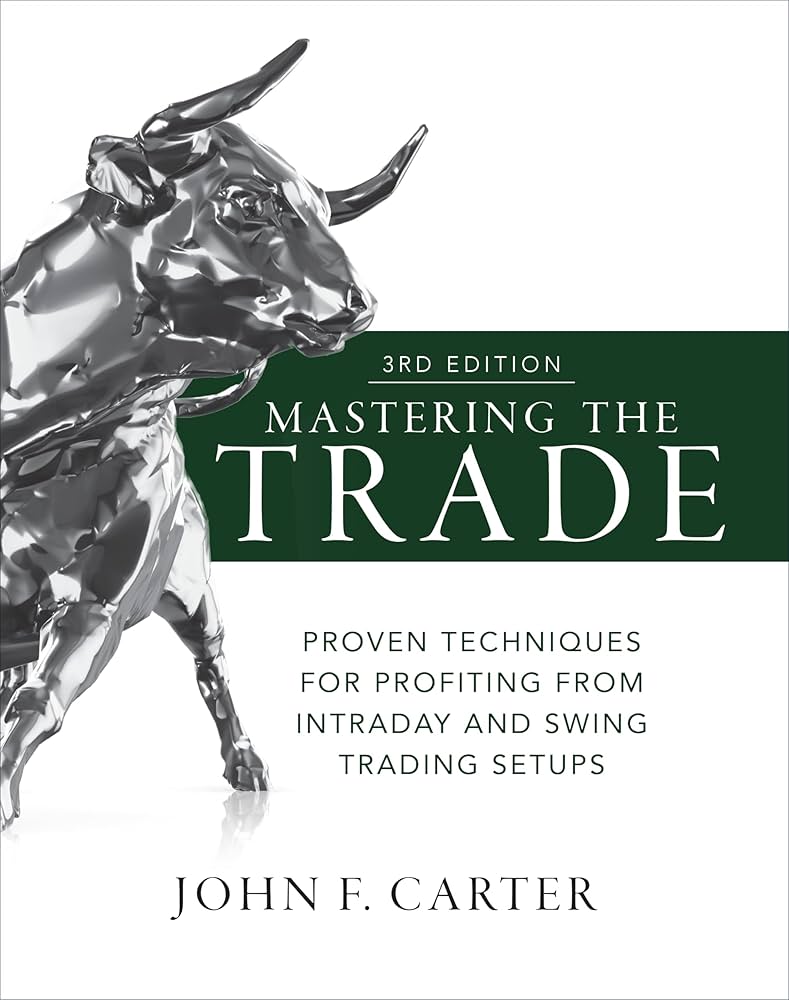
    3Mastering the Trade2005John F. Carter3.99
    4Swing Trading for Dummies2019Omar Bassal3.95
    5The Master Swing Trader2000Alan S. Farley3.26

    1. “How to Swing Trade” by Brian Pezim and Andrew Aziz

    How to Swing Trade” by Brian Pezim and Andrew Aziz

    “How to Swing Trade” is a useful guide designed to help traders understand and execute effective swing trading strategies. It is written by expert traders Brian Pezim and Andrew Aziz. The book provides a comprehensive approach to swing trading, focusing on technical analysis, trade setups, and risk management. 

    Why It Is Great: It provides a clear framework for swing trading for both beginners and experienced traders. It focuses on technical analysis, which is very important in swing trading. It explains when to enter and exit the trade with real-world examples and emphasizes on trading psychology.

    These swing trading books provide a solid foundation for beginners looking to develop their swing trading skills and for experienced traders to sharpen their skills, covering both theoretical and practical aspects of trading.

    2. “How to Make Money in Stocks” by William J. O’Neil

    How to Make Money in Stocks” by William J. O’Neil


    “How to Make Money in Stocks” is a comprehensive investment guide that covers both fundamental and technical aspects of the trade. It introduces readers to the CAN SLIM strategy developed by William J. O’Neil, a successful investor and founder of Investor’s Business Daily. The book focuses on a systematic approach to identifying and investing in winning stocks by combining both fundamental and technical analysis, focusing on growth stocks and timing the trade, which is essential for swing trading.

    Why It Is Great: It combines both fundamental and technical analysis and introduces the CAN SLIM strategy, which stands for Current quarterly earnings, Annual earnings, New products, Supply and demand, Leaders or laggards, Institutional ownership, and Market direction. This framework helps investors identify stocks with strong growth potential. This swing trading book also emphasizes technical analysis to recognize patterns to enter and exit trades effectively.

    3. “Mastering the Trade” by John F. Carter 

    Mastering the Trade” by John F. Carter 

    “Mastering the Trade” is a comprehensive guide for trading that combines technical analysis, risk management, and other practical insights to help traders succeed in different market conditions. It was written by an expert trader named John F. Carter. The book covers key topics such as identifying trade setups, executing trades, and maintaining discipline. Carter shares practical strategies and real-life examples, making complex concepts easy to understand for both beginner and experienced traders.

    Why It Is Great: The book’s comprehensive approach covers all aspects of trading, right from technical analysis to risk management, to provide a well-rounded perspective. It also offers practical strategies and setups that traders can incorporate into their trading practices. It also includes case studies and real-life examples, with a focus on risk management and how to develop discipline and emotional resilience for success.

    4. “Swing Trading for Dummies” by Omar Bassal

    Swing Trading for Dummies” by Omar Bassal

    “Swing Trading for Dummies” is a handy guide designed for both beginners and intermediate traders looking to understand swing trading strategies. It is written by Omar Bassal, a financial analyst and educator. This book is a practical resource for swing trading as it simplifies the principles of swing trading, focusing on how to capture short- to medium-term market moves. It covers all the essential topics, such as technical analysis, chart patterns, entry and exit strategies, and risk management.

    Why It Is Great: The book is written in a straightforward language and has clear explanations, which makes this swing trading book easy to understand for everyone. It provides a structured approach with detailed instructions on identifying trends and how to use that information. It also focuses on technical analysis and risk management strategies.

    5. “The Master Swing Trader” by Alan S. Farley

    The Master Swing Trader” by Alan S. Farley

    “The Master Swing Trader” is a complete guide that dives deep into the art and science of swing trading. It is written by Alan S. Farley, an expert trader and educator. This book offers an abundance of knowledge on identifying profitable trading opportunities and how to execute such trades in a disciplined way. Alan combines technical analysis, psychology, and different trading strategies to provide readers with a solid framework to succeed in swing trading. The book is structured in a way to help traders navigate through various market conditions and equips them with the necessary tools to navigate the complexities of the financial markets.

    Why It Is Great: It provides an in-depth analysis of technical analysis and various chart patterns. Strategies discussed include entry-exit, stop-loss, and risk management techniques. It covers psychological aspects, which are crucial for mental clarity and effective decision-making. The book presents practical examples so that it is understood by beginners as well as experienced traders. 

    Key Concepts of Swing Trading

    The key concepts of swing trading are as follows:

    Fundamental Analysis: Fundamental analysis is an optional tool that few swing traders consider to improve their trades.

    Steps in Swing Trading

    Objective: Swing traders aim to profit from both upward and downward price movements in the market.

    Holding Period: The holding period could vary between a few days to weeks, which sets it apart from very short-term day trading (minutes to hours) and long-term investing (months to years).

    Market Analysis:

    Technical Analysis: Swing traders primarily use technical analysis tools, such as chart patterns, candlestick patterns, and indicators like moving averages, the Relative Strength Index (RSI), MACD, and Fibonacci retracements, etc.

    Like any other trading strategy, swing trading needs technical knowledge, emotional control, and risk management. These are the steps involved in swing trading: 

    • Identify Trends: Finding the direction of a trend is always important when deciding whether one should create a long position or a short position. 
    • Choose an Entry Point: Swing traders look for small price pullbacks in uptrends or small rallies in downtrends to make positions at more favorable levels.
    • Manage Risk: Effective swing trading strategy involves clear stop-loss and targets before entering the trade.  
    • Exit Strategy: Traders can book profits when the price reaches resistance or support levels, or key technical indicators show a reversal is likely.

    Advantages of the Swing Trading

    The advantages of swing trading are:

    • It’s one of the popular trading strategies.
    • It’s very flexible and doesn’t need much time commitment.
    • It doesn’t require constant monitoring.
    • An individual can use swing trading strategies to benefit from short- and medium-term price movements.
    • Swing trades benefit from volatile markets, as volatility creates frequent price swings which creates more opportunities to profit.
    • Swing trading strategies can be customized to create a balanced risk and reward ratio.
    • It is less stressful than day trading.
    • It can be automated.
    • It works in any market, such as equity, currency, and commodity markets.
    • It works on short- and medium-term time frames, but a higher time frame suggests a strong price movement is expected.

    Read Also: Best Trading Apps in India

    Limitations of the Swing Trading

    The limitations of swing trading are:

    • Swing trading strategies can fail like any other strategy, which can result in losses.
    • Swing traders face market risk as they hold positions overnight, and adverse news can result in price gaps.
    • Swing trading requires expertise in technical analysis as it requires a deep understanding of patterns, trends, indicators, etc.
    • Swing trading strategies can be affected by various market factors, such as volatility, news, policy change, political instability, etc.
    • Due to focus on short to mid-term mispricing, traders can miss a long-term investment trend.
    • Swing trading strategies can result in losses in the sideways market.

    Conclusion

    Swing trading offers a dynamic, flexible, and balanced approach between day trading and long-term investing. Swing trading strategies aim to profit from short to medium-term price movements over several days or weeks without constant monitoring of the trades. To become successful in swing trading, a trader requires knowledge of technical analysis, a good grasp of various patterns, market trends, the timing of entry and exit, and disciplined risk management techniques. Books serve as a great resource to master all these different techniques and help an individual become a profitable trader.

    S.NO.Check Out These Interesting Posts You Might Enjoy!
    110 Best Algorithmic Trading Books
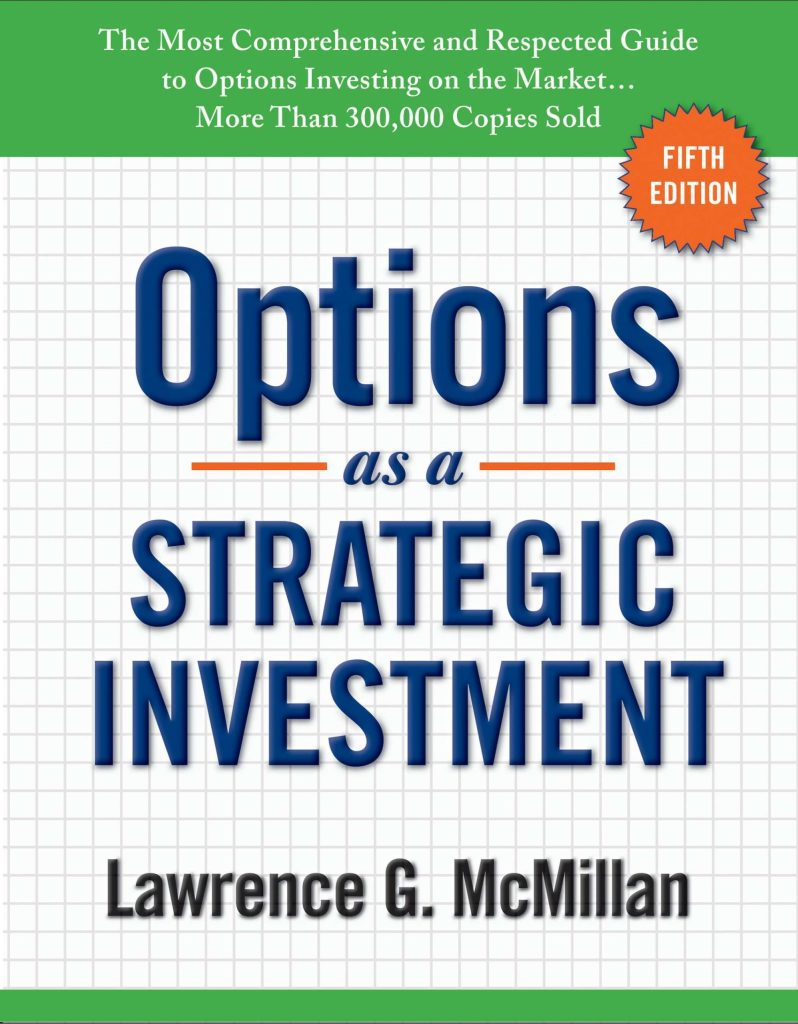
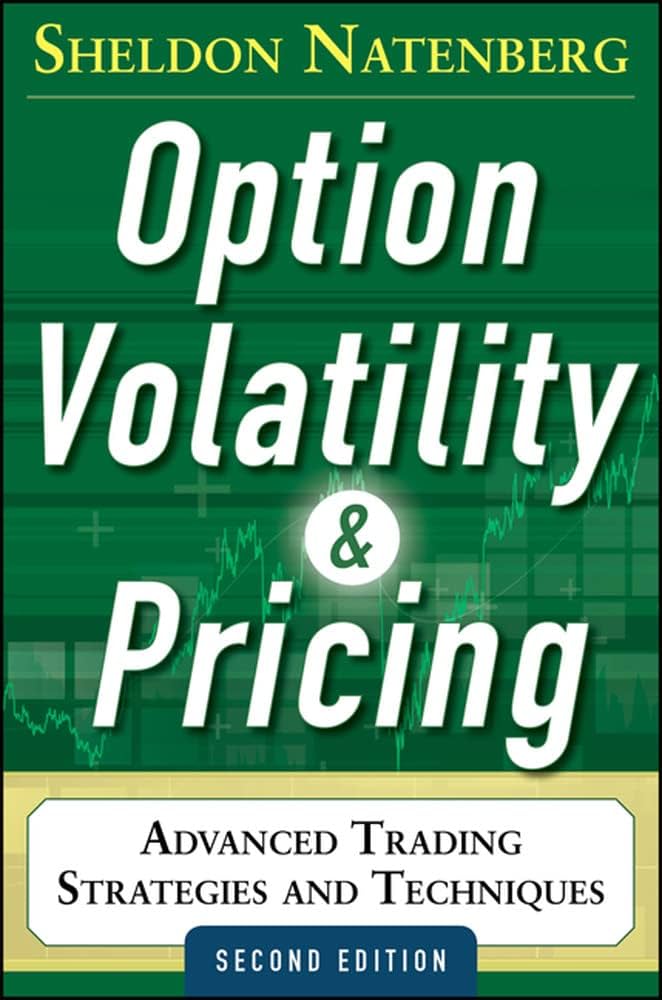
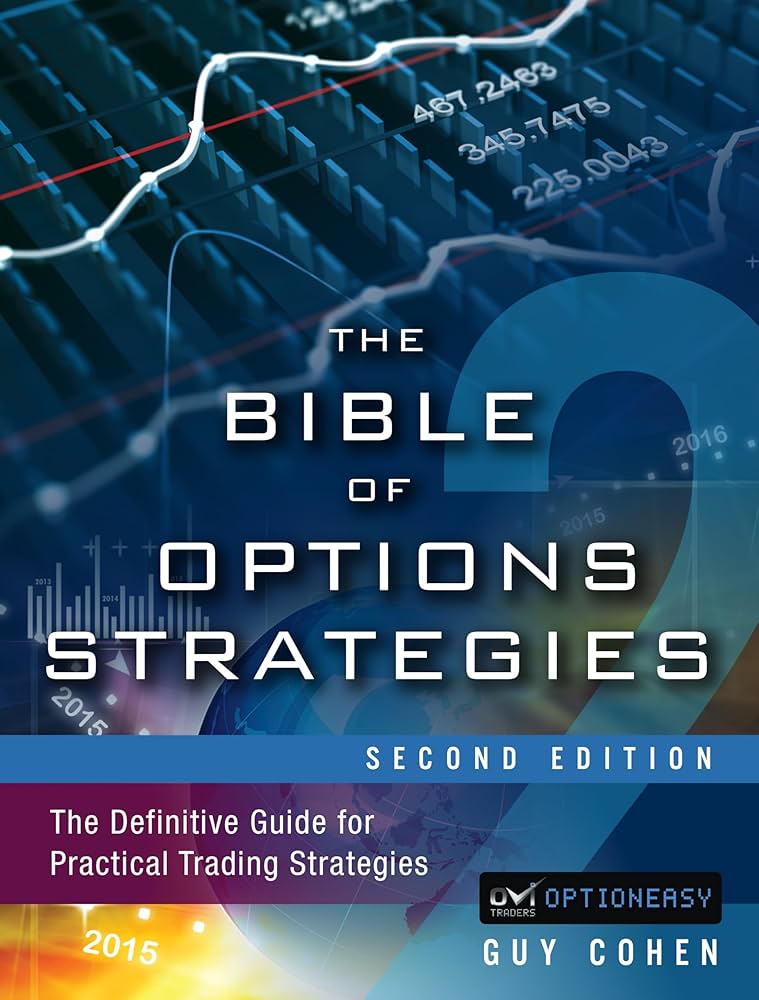
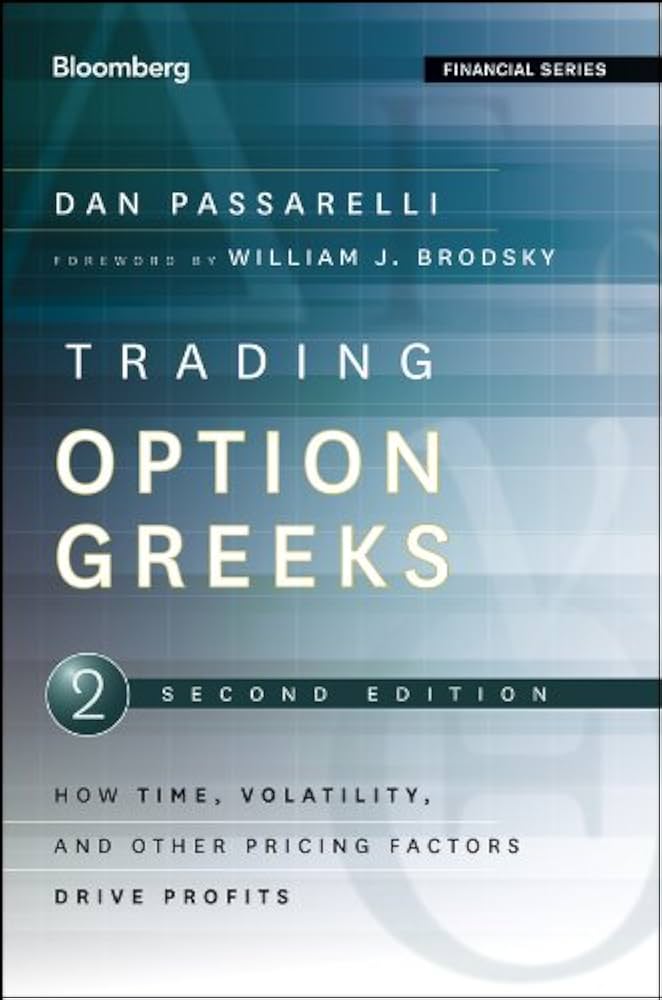
    2Top 10 Option Trading Books in India
    310 Best Chart Pattern Books for Traders
    4Top 10 Books for Beginners in Trading & Investing
    5Top 10 personal finance lessons for self-learning
    610 Best Price Action Trading Books
    715 बेस्ट शेयर मार्केट बुक्स हिंदी में | Stock Market Books Hindi
    8Best Books for Stock Market Technical Analysis
    9Best Books on Commodity Trading
    10Best Books on Mutual Funds for Beginners in India
    11Best Personal Finance Books

    Frequently Asked Questions (FAQs)

    1. Can I use fundamental analysis in swing trading?

      Swing trading strategies mainly rely on technical analysis, but some traders incorporate fundamental analysis, such as earnings and results updates, economic indicators, or news events, to strengthen the logic behind trades. However, most swing traders use various chart patterns and technical indicators over fundamentals.

    2. Do swing trading books focus solely on technical analysis?

      While most of the swing trading books use technical analysis due to its prominence in short-term trading, there are some books, like “Swing Trading for Dummies,” which talk about fundamental analysis.

    3. Can I learn swing trading strategies from books?

      Though books are a great resource for learning the theory part of swing trading, applying that knowledge in real or simulated markets is essential to gain practical experience. One can also do paper trading before trading with real money.

    4. Are there any books that provide specific swing trading strategies?

      Yes, books like “Mastering the Trade” by John F. Carter and “The Master Swing Trader” by Alan S. Farley provide detailed swing trading strategies. These strategies include entry and exit points, stop-loss placement, and a comprehensive guide on how to use technical indicators like moving averages and RSI.

    5. Are there swing trading books that include real-world examples?

      Yes, many swing trading books, such as “How to Swing Trade” by Andrew Aziz and “Mastering the Trade” by John F. Carter, include real-world examples and case studies.

  • What Does CNC, MIS and NRML Mean?

    What Does CNC, MIS and NRML Mean?

    When trading, knowing the types of orders is crucial for maximising your profit potential. For both experienced investors and inquisitive beginners, technical jargon such as CNC, MIS, and NRML can be daunting if they are not well-versed in their meanings and uses. By breaking down these concepts, you can make more informed decisions that align with your trading strategy. Each order type holds a distinct purpose, catering to participants with different risk profiles and investment objectives.

    In this blog, we will explain CNC, MIS and NRML orders to help you make better investment decisions. Understanding various order types will help you improve your efficiency in the financial markets.

    What are CNC, MIS, and NRML orders?

    The acronyms CNC, MIS, and NRML stand for:

    • CNC – Cash & Carry
    • MIS – Margin Intraday
    • NRML – Normal

    These terms are used in stock trading to describe different types of orders or margin needs for trading. Now, let us understand each one of them separately.

    Cash & Carry (CNC)

    CNC orders are used for equity delivery trading, allowing traders to buy shares and hold them in their demat accounts until they decide to sell. No margin is given for CNC orders, and full payment for the stocks is done by the trader. For example, if you buy shares worth INR 5000, then you must have INR 5,000 in your trading account to complete the transaction.

    There are no time constraints or expiration dates, and you can retain the shares for as long as you desire. When you buy shares with CNC orders, they are delivered to your account and are kept there until you choose to sell them. This type of order is considered ideal for long-term investors who want to accumulate shares and sell them later for possible capital gains.

    Example: When you buy 100 shares of a company at INR 500 each through a CNC order, your total investment amount will be INR 50,000. The shares bought will be credited to your demat account, and you can hold them as long as you wish.

    Similarly, when you sell shares through a CNC order, the shares are debited from your demat account, and the proceeds from the sale are credited to your trading account within the T+1 days (trade day plus one working day).

    MIS Orders

    MIS stands for Margin Intraday Square-Off. It is a type of order used for intraday trading. When you execute an MIS order, you are borrowing more money from your broker to buy or sell shares, with the understanding that you will square off all your trading positions by the end of the trading day.

    If you do not close your position before the market closes, your broker will do it for you, regardless of your profit or loss. These orders carry more risk than CNC orders because of the leverage used, which can lead to huge losses if the market does not move in your preferred direction. MIS orders are a smart choice for traders who understand the market well and understand the related risks. However, it is important to use them carefully and have a clear trading strategy.

    Example: Let’s say you want to buy 100 shares of ABC company at INR 2500 per share, and you have INR 25000 in your demat account. Without MIS, you can only buy 10 shares (INR 25,000/INR 2500 = 10 Quantity). With MIS, your broker can provide you leverage and help you buy 100 shares even though you do not have the full amount. Keep in mind that MIS orders need to be squared off before the market closes.

    NRML Orders

    NRML Orders, or Normal Margin Orders, are a specific category of orders used in the Indian stock market, mainly for trading futures and options (F&O). These orders let traders hold their futures and options positions until the contract expires, unlike day trading orders that must be sold on the same day. This flexibility allows traders to capitalise on trends that develop over several trading sessions. NRML orders require traders to keep the full margin amount set by the exchange.

    Example: Suppose you place a NRML order on your trading platform to buy a futures contract and wish to hold the derivative contract for several days. The exchange will evaluate the required margin for this order based on the underlying asset’s current market price. Let us say that the margin requirement is INR 25,000. The broker will verify that you have enough funds in your account to cover the margin requirements. If the order is executed, then the trader holds a long position in the derivative contract.

    Difference between CNC and MIS orders

    Basis CNC OrdersMIS Orders
    Full FormCash & CarryMargin Intraday Square-off
    PurposeUsed for equity delivery tradingUsed for intra-day trading
    Holding PeriodYou can hold the shares as long as you want to without any time limit.Positions must be squared off by the end of the trading day. If you do not manually close the trade, the broker will do it on your behalf.
    Margin & LeverageNo leverage is given. A trader needs to pay the full price of the shares when he buys.Leverage is given, i.e., a trade can trade with a higher amount than the money he actually has.
    Trading StrategyGood fit for long-term investors who want to hold shares for weeks, months or years.Good fit for day traders who want to make quick profits from short-term price fluctuations in the market.

    Conclusion

    Understanding the differences between CNC, MIS, and NRML orders is important for effective trading and risk management. Aligning your choice of orders with your trading goals, such as short-term gains or long-term wealth accumulation, can help you navigate the stock market and optimise your returns. Understand how each order type aligns with your trading plan and trade with a clear strategy.

    Frequently Asked Questions (FAQs)

    1. Do I get leverage in CNC orders?

      No, CNC orders do not provide leverage. One must pay the full amount for the shares.

    2. Is trading done via CNC orders risky?

      Trading with CNC orders is generally less risky as it does not involve leverage, and you can hold the shares as long as you want without any time restriction.

    3. Can I convert an MIS order to CNC?

      Some brokers allow you to convert MIS orders to CNC if you want to hold the shares overnight. However, you will need extra funds to hold the shares overnight.

    4. Can NRML orders be used for intra-day trading?

      NRML orders can be used for intraday trading, but they are mainly used for carry-forward trading in futures and options.  

    5. Which order type should I use for long-term investing?

      CNC is best for long-term investing since it allows you to hold stocks in your demat account without any time limit.

  • Top 10 Books for Beginners in Trading & Investing

    Top 10 Books for Beginners in Trading & Investing

    Welcome to our guide on the top 10 books for beginners in trading and investing. These carefully selected books will give you invaluable insights, regardless of your investing experience. These books are put together in such a way that one gets knowledge and develops confidence in the successful navigation of the stock market – from foundational principles to practical strategies. Dive in to uncover the best resources you need to build a solid investment foundation!

    List of Top 10 Trading & Investing Books for Beginners

    S.No.Book NameYearName of the AuthorPagesRating (Goodreads)
    1The Intelligent Investor1949Benjamin Graham6404.22
    2A Beginner’s Guide to the Stock Market2020Matthew R. Kratter2824.3
    3A Random Walk Down Wall Street1973Burton G. Malkiel4964.14
    4Common Stocks and Uncommon Profits1958Philip A. Fisher2724.16
    5The Little Book That Still Beats the Market2005Joel Greenblatt1764.2
    6One Up on Wall Street1989Peter Lynch & John Rothchild3044.25
    7The Warren Buffett Way1994Robert G. Hagstrom3204.18
    8How to Make Money in Stocks1988William J. O’Neil4644.1
    9The Little Book of Common Sense Investing2007John C. Bogle2404.32
    10Rule #12006Phil Town3224.12

    Best Books on the Stock Market – An Overview

    An overview of the best books for beginners in trading and investing are given below:

    1. The Intelligent Investor

    This book by Benjamin Graham is one of the best investment books for beginners and experts. The motive of this book is to help potential investors avoid errors while making investments and help them achieve their investment goals. Benjamin Graham was Warren Buffet’s mentor. The principles and investment strategies mentioned by Graham in this book can help investors develop a successful investing strategy without taking excessive risk. This book clears up every doubt of first-time investors and enhances the understanding of the stock market and value investing. The book is filled with practical examples of what to look for while choosing stocks. 

    The Intelligent Investor

    2. A Beginner’s Guide to the Stock Market

    “A Beginner’s Guide to the Stock Market” by Matthew R. Kratter provides an easily understood introduction to investing in the stock market for a beginner. A hedge fund manager himself, Kratter shares practical knowledge and insights he has amassed during his years in financial markets. He includes vital information on how to purchase and sell stocks, understand the mechanics of the market, and common mistakes one should avoid. He simplifies these concepts so they are easily understood by someone new to investing. Readers learn practical strategies for stock picking, risk management, and building a profitable portfolio from scratch.

    A Beginner’s Guide to the Stock Market

    3. A Random Walk Down Wall Street

    “A Random Walk Down Wall Street” by Burton G. Malkiel is a classic, timeless book that explains a path toward long-term investing. The book provides in-depth views on the efficient market hypothesis, indexing, and asset allocation, focusing on how selecting individual stocks and timing the market often results in a waste of time. He makes the case that for most people, the smartest choice is to go with low-cost index funds. He offers historical evidence and practical advice to support his approach, which would form a good resource for a beginning investor interested in a clear, evidence-based investment approach.

    A Random Walk Down Wall Street

    4. Common Stocks and Uncommon Profits

    “Common Stocks and Uncommon Profits” by Philip Fisher is nothing less than a seminal work in growth investing, generally regarded as essential reading for any investor who wants to identify high-quality stocks. Fisher is a highly respected pioneer in investment analysis, known, among other things, for his observation that qualitative information about companies is even more important than quantitative information. Fisher points out the 15-point stock checklist he adheres to, ranging from management quality to competitive advantage to market potential to help investors identify, buy, and hold on to great companies. He also stresses that one should conduct enough research to understand a company’s true potential rather than mere financial statements.

    Common Stocks and Uncommon Profits

    5. The Little Book That Still Beats the Market

    “The Little Book That Still Beats the Market” by Joel Greenblatt outlines in a very simple yet powerful way how to invest in stocks with his “magic formula” so that even unsophisticated investors can beat the market. This book lays out in a structured manner how one might find undervalued stocks that have high returns on capital, which includes buying good companies at bargain prices. Greenblatt describes his formula in a super simple way that any reader can understand. Through a step-by-step process, readers learn how to build a portfolio of stocks to generate consistent and above-average returns. 

    6. One Up on Wall Street

    “One Up on Wall Street” by Peter Lynch is a timeless guide that allows individual investors to use their own experiences and knowledge from everyday life to find winning stocks before the professionals on Wall Street can. Lynch, known for his long tenure as manager of Fidelity’s Magellan Fund, had unsurpassed success, time and again beating the market through his practical, hands-on investment approach. The book lays out Lynch’s investment philosophy-what to do, what not to do. He discusses how one has to do one’s own research and invest in what one knows. He teaches how to value companies and when to buy, hold, and sell. Lynch’s approach focuses on common sense in identifying opportunities in everyday life and knowing companies inside and out.

    7. The Warren Buffett Way

    “The Warren Buffett Way” by Robert G. Hagstrom gives an in-depth insight into the investment strategies and philosophies of Warren Buffett, one of the most successful investors in history. As an experienced portfolio manager and author, Hagstrom breaks down Buffett’s investment approach and makes it available to investors who want to model their investments after his proven track record. He enumerates Buffett’s principles on value investing: a comprehensive business analysis, evaluation of management, and breakdowns of financial statements. Furthermore, the author explains case studies that summarize Buffett’s major investments and shows how he applies those principles in practice. Patience, discipline, and exhaustive research are taught as key tenets to adhere to when making investment decisions. 

    The Warren Buffett Way

    8. How to Make Money in Stocks

    “How to Make Money in Stocks” by William J. O’Neil explains the CAN SLIM investment strategy, developed to help investors pick high-growth stocks and build a lucrative portfolio. The founder of Investor’s Business Daily, William J. O’Neil, is an investor and financial markets expert recognized for using data in his investment approach. The author explains how to implement the CAN SLIM strategy- a technical analysis-based method of stock selection centered on seven characteristics shared by winning stocks. Major themes discussed include chart reading, risk management, and timing. O’Neil stresses the importance of sticking with market trends and investing in stocks with huge earnings growth. 

    How to Make Money in Stocks

    9. The Little Book of Common Sense Investing

    “The Little Book of Common Sense Investing” by John C. Bogle is a straightforward guide that has generally argued for the lowest-cost index fund investing and has presented a simplified and uncomplicated way to implement a very effective long-term wealth-building strategy. This book contends that most actively managed funds cannot beat the market because of the high fees and turnover. Bogle shows that for the average investor, a low-cost index fund has the highest probability of success because such a fund represents the overall market. He stresses key concepts such as patience, low costs, and the magic of compounding for investing success. 

    10. Rule #1

    “Rule #1” by Phil Town provides an easy-to-follow guide to value investing as it demystifies the process of finding high-quality stocks with potentially substantial returns. An accomplished investor and author, Town shares his investment philosophy rooted in the principles of Warren Buffett while showing individual investors how to take action. The book shows Town’s “Rule #1” investment methodology, where much emphasis is placed on buying stocks at a significant discount to their intrinsic value. It explains how to assess companies through a simple framework and places considerable emphasis on financial analysis and disciplined investing. Readers learn how to identify undervalued stocks, manage risk, and construct a solid investment portfolio with a long-term outlook. 

    Rule #1

    Read Also: Trading For Beginners: 5 Things Every Trader Should Know

    Conclusion

    To summarize, the 10 books mentioned above would be very helpful in teaching you essential concepts to start your trading and investment journey. Each book imparts knowledge and practical advice in ways that will help you develop a strong understanding of the market and investment skills. You will gain the ability and professional acumen required to make better investment decisions and achieve your financial goals. Enjoy reading these books, and all the best for your success in the world of investing.

    S.NO.Check Out These Interesting Posts You Might Enjoy!
    110 Best Algorithmic Trading Books
    2Top 10 Option Trading Books in India
    310 Best Chart Pattern Books for Traders
    45 Must-Read Best Swing Trading Books for Trader
    5Top 10 personal finance lessons for self-learning
    610 Best Price Action Trading Books
    715 बेस्ट शेयर मार्केट बुक्स हिंदी में | Stock Market Books Hindi
    8Best Books for Stock Market Technical Analysis
    9Best Books on Commodity Trading
    10Best Books on Mutual Funds for Beginners in India
    11Best Personal Finance Books

    Frequently Asked Questions (FAQs)

    1. Do I need to read all these books to start investing?

      No, it is not necessary to read them all. It’s sufficient to start with a few books that interest you the most and gradually move on to other books as your knowledge base expands.

    2. How do you choose which book to start with among the 10 books mentioned above?

      An individual should consider his/her level of knowledge and investment goals. “A Beginner’s Guide to the Stock Market” by Matthew R. Kratter is one of the best books for building a strong foundation.

    3. How can I put into practice what I learn from these books?

      Apply strategies and principles learned from these books by making small investments, analyzing companies, and building new techniques based on your investing style over time. However, it is advised to consult a financial advisor before investing.

    4. Are these books available in digital formats?

      Most of the above-mentioned books are available in digital formats, such as eBooks and audiobooks.

    5. Will any of these books be useful in planning my retirement?

      The principles and strategies discussed in these books can be used for retirement planning by building a diversified portfolio focusing on long-term growth.

  • Bullish Doji Star Pattern

    Bullish Doji Star Pattern

    Are you eager to enhance your technical analysis skills? This candlestick pattern can assist you in recognizing possible trend reversals. This blog post will examine the Bullish Doji Star, including its components, trading implications, advantages, and limitations, along with a real-world example. Understanding this pattern can give both seasoned traders and beginners a good command of the financial markets.

    What is the Bullish Doji Star Pattern?

    Bullish Doji Star Pattern

    The Bullish Doji Star is a candlestick pattern indicating a possible bullish reversal from a downtrend. The pattern consists of two candlesticks and the market should be in a downtrend before the formation of the pattern. The traders need to observe certain criteria:

    • A long red bearish candle shows a significant downtrend and highlights its intensity leading up to a possible reversal.
    • A Doji candle featuring a small body indicates that the opening and closing prices are virtually identical. It shows uncertainty or a pause in the market.

    How to Determine Target and Stop-Loss?

    A simple method is to set a target just below the next resistance level. During a downtrend, previous highs can act as resistance following a market reversal.

    An alternative approach is to establish the target price according to a predefined risk-reward ratio. For instance, traders pursue a risk-reward ratio of 1:2 or 1:3, which means that for every unit of risk assumed, the goal is to secure two or three times that amount in profit.

    Setting a stop-loss is important for managing risks when trading a Bullish Doji Star pattern. A highly effective strategy involves positioning the stop-loss just beneath the low of the Doji candle. Traders sometimes set their stop-loss below a key support level. A drop below this level means the bullish reversal has failed, suggesting the downtrend will continue.

    You can also trail the stop-loss as the asset price moves upwards. It will help you to secure profits as prices rise while also protecting against losses. 

    Read Also: Dragonfly Doji Pattern

    Example of Bullish Doji Star of IRB Infra Dev Ltd.

    Example of Bullish Doji Star of IRB Infra Dev Ltd.

    The chart above clearly shows the formation of the Bullish Doji Star pattern on the daily timeframe of IRB INFRA.

    A long red candle is formed after a strong downtrend and is followed by a small green Doji candle. Afterwards, an uptrend can be seen.

    Advantages of Bullish Doji Star Pattern

    The advantages of the Bullish Doji Star Pattern are:

    • The main benefit of Bullish Doji Star is its clear signal of a possible trend reversal. It helps traders choose the best point to enter long positions by identifying the shift from a downtrend to an uptrend.
    • The pattern reveals the prevailing market sentiment. The initial bearish candle shows strong selling pressure, followed by indecision, and then a bullish candle confirms that buyers are in control. Recognizing this shift helps traders better understand market sentiment.
    • It can be applied effectively in several market conditions and can be used across various timeframes, providing traders with valuable insights into possible reversals. This adaptability makes it a popular choice among both novice and experienced investors alike.

    Limitations of Bullish Doji Star Pattern

    The limitations of the Bullish Doji Star Pattern are:

    • A major drawback of the Bullish Doji Star pattern is that it necessitates confirmation from the subsequent candlestick to validate its reliability. Any delay can lead to missed trading opportunities.
    • Similar to many technical indicators, the Bullish Doji Star may not consistently provide reliable signals. It can give false signals, especially in highly volatile markets.
    • The pattern needs confirmation, so it often lags behind the market. This lag can be especially problematic in volatile markets where conditions change rapidly. By the time the pattern plays out and a trader enters the market, much of the price movement may already have taken place, diminishing the profit.

    Read Also: Long-Legged Doji Candlestick Pattern

    Conclusion

    The Bullish Doji Star is an effective pattern to identify possible reversal from a downtrend to an uptrend. Traders can increase their likelihood of executing successful trades by grasping the psychology behind market patterns, utilizing volume as a filter, and validating the patterns with the subsequent bullish candle. While technical patterns can be helpful, they are not always reliable. Traders should always use it alongside other tools and indicators to find a high-probability setup and manage risk effectively. It is advisable to consult a financial advisor before trading.

    Frequently Asked Questions (FAQs)

    1. What does the Doji candle represent?

      The Doji candle represents market indecision, where the opening and closing prices are almost equal.

    2. When should I enter a trade while using the Bullish Doji Star pattern?

      A trader can create a long position after confirmation, such as the occurrence of a bullish candle, increased volumes, or using other technical indicators.

    3. Can the Bullish Doji Star appear in any market?

      Yes, the pattern works on different timeframes and various markets like stocks, forex, commodities etc.

    4. Is the Bullish Doji Star pattern reliable?

      The Bullish Doji Star pattern can be helpful while trading, but it is not completely reliable. Combining it with other technical analysis tools can improve its reliability.

    5. Should I consult with a financial expert before trading a Bullish Doji Star pattern?

      Yes, it is always suggested to consult with a financial expert before making any investment or trading decisions. 

  • Long-Legged Doji Candlestick Pattern

    Long-Legged Doji Candlestick Pattern

    The Long-Legged Doji candlestick represents a situation where the market indecision meets volatility. A Long-Legged Doji is a candlestick pattern usually accompanied by high volatility but ends with no clear winner between bulls and bears. The pattern suggests indecision and can behave both as a reversal or a continuation pattern. Let’s dig deeper into it.

    What is a Long-Legged Doji Candlestick Pattern?

     Long-Legged Doji Candlestick Pattern

    A Long-Legged Doji pattern is a type of candlestick pattern that can be observed in a candlestick chart. It is characterized by a long upper and lower shadow (or wick), with a very small or nearly invisible real body. The real body is small because the open and close prices of the asset are very close or equal to each other, indicating high volatility. This pattern reflects that both bulls and bears tried to influence the price of the security during the trading period but ultimately couldn’t push the price in one clear direction.

    Characteristics of the Long-Legged Doji

    The Long-Legged Doji pattern is a candlestick pattern used to identify a state of indecision in the market before the next big move occurs. It unfolds in the following phases:

    • A small real body: The real body of the candle is small as both the open and close of the candlestick are nearly identical. 
    • Long upper and lower shadows: The long wick above and below the real body indicates both volatility and indecision. During the trading session, both the buyers and sellers tried to push the asset price in either direction, but neither of them had substantial influence, and the price closed near the opening price.
    • Volatility: The length of the shadows shows high volatility. 
    • Market indecision: The Long-Legged Doji candlestick indicates that both buyers and sellers were active during the session, but nobody had control.
    • Location: The significance of Long-Legged Doji increases when it appears after a strong uptrend or strong downtrend as it signals momentum is weakening.
    • Other Considerations:  Always wait for confirmation in the form of further price increases or declines after making the Long-Legged Doji candle. Once the next candle gives a breakout above the high or a breakdown below the low of the Doji candle, an individual should check the volumes. High trading volume during a breakdown or breakout confirms the change in trend, after which traders can create long or short positions.

    This pattern helps traders recognize when a bullish or bearish trend may have come to an end. After confirmation, traders can create long or short positions. 

    Trading Setup

    The Long-Legged Doji candlestick pattern can be effectively used by following the below trading setup:  

    • Entry Point: The entry point should be when the price gives a breakout and closes above the Doji candle’s high for a long position or gives a breakdown and closes below the Doji candle’s low for a short position. 
    • Stop-Loss: A stop-loss should be placed just above the high of the Long-Legged Doji for a short position or just below the low of the Long-Legged Doji candle for a long position. 
    • Target: The target can be set at the next major support or resistance levels, Fibonacci levels, or traders can use a risk-to-reward ratio such as 1:2, 1:3, etc.

    Read Also: Morning Doji Star Candlestick Pattern

    Advantages of the Long-Legged Doji Candlestick Pattern

    The advantages of using the Long-Legged Doji candlestick pattern are:

    • This pattern can be identified in any market, such as equity, currency, or commodity markets.
    • The pattern works in any time frame, but a higher time frame means a strong trend reversal is expected.
    • It’s one of the popular candlestick patterns.
    • It is very easy to identify.
    • It indicates market indecision, which can signal a potential change in trend.
    • The pattern provides a logical understanding of price action and a complete trading setup.
    • The pattern can be used in combination with other indicators.
    • The pattern offers both buying or shorting opportunities in the market and a favorable risk-to-reward ratio.

    Limitations of the Long-Legged Doji Candlestick Pattern

    The limitations of using the Long-Legged Doji candlestick pattern are:

    • The pattern doesn’t provide clear bullish or bearish signals and shows indecision in the market.
    • The pattern can give false signals in sideways or range-bound markets.
    • The pattern could give a false breakout or breakdown and fail like any other chart pattern, which can result in losses.
    • This pattern could be affected by various market factors like volatility, news, policy change, political instability, etc.
    • The pattern doesn’t always signal a reversal; it could also signal a continuation of the trend.
    • The interpretation of a pattern’s signal is context-driven. For example, the pattern’s signal strength is weak if it occurs in the middle of the trend, without strong support and resistance levels nearby.
    • It requires confirmation.

    Example of Long-Legged Doji Pattern of Shakti Pumps Ltd: 

    Long-Legged Doji candlestick pattern example of Shakti Pumps Ltd.

    The above image shows the weekly chart of Shakti Pumps Ltd. The stock was in an uptrend from May 2023 to January 2024, but then it faced resistance and came down a bit. The stock made a Long-Legged Doji chart pattern in March 2024, which depicted market indecision. Within the next few weeks, the stock price gave a breakout above the high of that Doji candle and closed above it. The stock price took support from INR 1,150 levels, which after the breakout became a strong support level. It confirmed the continuation of the trend, and the stock went up from the high of the Long-Legged Doji, which was around INR 1300, to INR 3000 in just two months and is trading at INR 4,067 as of 27 September 2024. The target zone can be marked near major resistance levels or Fibonacci levels. Stop-loss should be placed just below the Long-Legged Doji candle’s low. Traders can trail stop-loss once stock starts to go up.

    Read Also: Dragonfly Doji Pattern

    Conclusion

    The Long-Legged candlestick pattern is a popular and powerful technical tool for investors and traders alike. The pattern involves a Long-Legged Doji candle, which indicates indecision and depends on the next candle for confirmation. The real body of the Doji candle is so small that the asset price closes near the open of the candle. The Long-Legged Doji can be a valuable tool for detecting potential trend changes, but it must be used carefully and in conjunction with other technical indicators because it may generate false signals in the sideways market or due to sensitive news. Hence, it is very important to understand the pattern’s characteristics, trade setup, risk management, and strategies before trading this pattern. It is advised to consult a financial advisor before trading.

    Frequently Asked Questions (FAQs)

    1. Does a Long-Legged Doji always signal a reversal?

      No, it doesn’t always signal a reversal. Sometimes, it can signal a continuation of the current trend. Hence, confirmation from the next candle is important before making any trading decision.

    2. Where is a Long-Legged Doji pattern most effective?

      The pattern is most effective when it appears at the end of a trend. The candlestick could appear at the top of an uptrend, the bottom of a downtrend, or near key support or resistance levels.

    3. What does a Long-Legged Doji indicate?

      It indicates indecision in the market as both buyers and sellers are unable to control the direction of the asset price. It can indicate that the current trend is losing momentum and that a reversal or consolidation is expected.

    4. What is the difference between a Doji and a Long-Legged Doji?

      A regular Doji has small or nonexistent upper and lower shadows and looks like a plus sign, indicating very little movement during the session. A Long-Legged Doji has longer upper and lower shadows, showing that there was much more volatility during the session before the price settled near the open.

    5. Where should the stop-loss be placed for the Long-Legged Doji candlestick pattern?

      Stop-loss can be placed just above the high of the Long-Legged Doji candle in case of a short position or just below the low of the Long-Legged Doji in case of a long position.

  • Hanging Man Candlestick Pattern

    Hanging Man Candlestick Pattern

    Picture yourself involved in a gripping thriller movie, and out of nowhere, a dark figure appears on the screen. This closely resembles coming across a Hanging Man candlestick pattern on a price chart. It is a sign that something might be off with the current trend in the market, suggesting the market participants to be vigilant and attentive.

    In this blog, we will learn about the Hanging Man candlestick pattern, its target and stop-loss, and its advantages and limitations.

    What is the Hanging Man Candlestick Pattern?

    The hanging man is a single candlestick pattern that frequently suggests a shift from an uptrend to a downtrend. It is defined by a small real body, signifying that the opening and closing prices are nearby, which reflects a state of indecision. Also, the long lower shadow indicates strong selling pressure that pushed the price down during the trading session, and a minimal or absent upper shadow suggests that buying pressure remained quite weak.

    The combination of these factors shows that buyers were unable to maintain control, and sellers may be gaining strength. Traders often look for confirmation through subsequent price action before making any decision.

    The pattern is more meaningful when it appears after a sustained uptrend. However, waiting for confirmation from subsequent candlestick or other technical indicators is often recommended before entering a short position.


    How to Determine Target and Stop-Loss?

    The Hanging Man pattern indicates a possible reversal, so traders must keep their target levels close to the nearest support zone from where the price had previously bounced back. Support levels can be determined by analyzing historical price charts. Furthermore, numerous traders adhere to a risk-reward ratio, such as 1:2 or 1:3. This approach helps traders maximize their possible profits while minimizing losses.

    Positioning your stop-loss just above the peak of the Hanging Man candlestick is one of the most prevalent and secure strategies to protect your investment against losses. If the price rises above the previous high, it indicates that the downtrend suggested by the pattern may not occur, and upward momentum can persist. Additionally, certain traders opt to include a slight buffer above the high, generally ranging from 1-2%, to protect themselves from minor market fluctuations or false breakouts.

    Read Also: Introduction to Bearish Candlesticks Patterns: Implications and Price Movement Prediction

    Example of the Hanging Man Candlestick of Alembic Pharma

    Example of the Hanging Man Candlestick of Alembic Pharma

    The above chart shows the clear formation of the Hanging Man candlestick on the daily timeframe of Alembic Pharma after a continuous uptrend of almost four days. The candlestick has a small body with a long lower shadow and a little upper shadow, which is followed by a downtrend.

    Advantages of Hanging Man Candlestick Pattern

    The advantages of using the Hanging Star candlestick pattern are:

    • Early Warning of Trend Reversal – The Hanging Man pattern appears at the peak of an uptrend and acts as an early signal that bullish momentum could be losing strength. It helps traders predict the upcoming reversals before they occur, enabling them to proactively adjust their positions.
    • Simple to Identify – This pattern is easily recognizable on price charts due to its unique appearance, i.e., featuring a small real body accompanied by a long lower shadow and minimal to no upper shadow. Traders can easily recognize it without complex indicators or analysis.
    • Works well with confirmation – This pattern is more effective when confirmed by signs like a bearish candlestick or a gap down the next day. This enhances traders’ confidence in the validity of the pattern before making a trade, thereby minimizing the likelihood of false signals.

    Limitations of Hanging Man Candlestick Pattern

    The limitations of using the Hanging Star candlestick pattern are:

    • Needs Confirmation – The Hanging Man candlestick pattern, on its own, lacks sufficient strength as a trading signal. Traders seek validation from the subsequent candlestick, usually in the form of a bearish candle or a gap-down. Making decisions solely based on the Hanging Man pattern can lead to misleading signals.
    • Subject to Market Noise – Candlestick patterns like Hanging Man rely on short-term price fluctuations. In turbulent markets, asset prices can experience significant fluctuations, resulting in patterns that may not accurately represent the broader trend.
    • Does not Indicate the Strength of Reversal – The pattern does suggest a possible reversal, yet it cannot indicate the magnitude or intensity of that reversal.

    Read Also:  Tweezer Top Candlestick Pattern

    Conclusion

    The Hanging Man candlestick pattern helps traders identify possible bearish reversals. Its simplicity makes it easy for beginner investors to identify, and its reliability improves when used alongside confirmation and other technical indicators. However, the pattern may give inaccurate signals, especially during strong trends or in volatile markets, and should never be relied upon alone. Understanding the broader market context, patiently awaiting confirmation, and using supplementary technical tools can improve trading performance. Ultimately, consistent practice and patience are important for effectively incorporating it into your trading strategy.


    Frequently Asked Questions (FAQs)

    1. How does a Hanging Man differ from a Hammer candlestick pattern?

      While both patterns look similar, the Hanging Man candlestick forms in an uptrend, while the Hammer candlestick appears in a downtrend.

    2. What does the long lower shadow in a Hanging Man candlestick depict?

      The long lower shadow shows sellers pushed the price lower during the session, but buyers regained control by closing. However, it signals a possible weakness in the uptrend.

    3. Is the Hanging Man pattern reliable in the sideways market?

      No, the pattern is less reliable in the sideways market as it is most effective at the top of an established uptrend.

    4. Should I immediately sell after seeing a Hanging Man candlestick pattern?

      No, it is often recommended to wait for confirmation from subsequent candlesticks or other technical indicators before entering a short position.

    5. What is the importance of volume in the Hanging Man candlestick pattern?

      Increased volume can strengthen the bearish signal, as it shows heightened selling pressure in the market. 

  • Three Black Crows Chart Pattern

    Three Black Crows Chart Pattern

    “When the Crows Meet, the Bulls Flee” can be an apt description of the Three Black Crows chart pattern as it represents consistent selling pressure indicated by three consecutive bearish candles that drive the asset price downwards. 

    In this blog, we will explore the Three Black Crows pattern, signifying the end of a bullish rally and the beginning of the bearish trend. We will discuss the pattern’s characteristics, advantages, and limitations with an example.

    What Is a Three-Black Crows Chart Pattern?

    Three Black Crows is a bearish reversal pattern that forms after a bull run. It signals a potential shift in trend and generally appears at the top of an uptrend. It is a candlestick pattern consisting of three consecutive bearish candles, with the second and third candles closing below the low of the preceding candle, indicating consistent selling pressure. It is one of the key reversal patterns and can be observed in candlestick charts.

    Three Black Crows chart pattern

    Characteristics of the Three Black Crows 

    The Three Black Crows chart pattern is a candlestick pattern used to identify a potential reversal from an uptrend to a downtrend. It unfolds in these phases:

    • An Uptrend preceding the pattern: The pattern is valid only if it appears after an uptrend, signaling a possible reversal. 
    • Three Candle Pattern: It’s a chart pattern that consists of three consecutive bearish candles. 
    • Formation: It generally forms after a long uptrend and indicates a possible trend reversal. 
    • Opening Within the Previous Candle’s Body: Each candle opens within the body of the previous candle.
    • Lower Closes: Each candle closes slightly lower than the previous one and near the day’s low, which shows strong selling pressure and little to no attempts by buyers to push prices higher.
    • No Significant Lower Shadows: The candles generally have small to no lower shadows, indicating that bears are in control throughout the trading period.
    • Psychology: Three bearish candles show that the sellers are in control now, and the trend will change.
    • Other Considerations:  Always wait for confirmation in the form of further price decline after the formation of the Three Black Crows pattern. A high trading volume during the breakdown below the pattern’s third candle confirms the change in trend.

    This pattern helps traders recognize when a bullish trend may have come to an end, offering opportunities to exit long positions or to enter short positions. 

    Trading Setup  

    The Three Black Crows candlestick pattern can be effectively used by following the below trading setup:

    • Entry Point: The entry point should be when the price breaks and closes below the third bearish candle and when additional bearish confirmation appears. Traders can create a short position after confirmation, such as an increase in volume.
    • Stop-Loss: A stop-loss should be placed ideally just above the high of the first candle of the Three Black Crows Pattern. Stop-loss helps in reducing losses if the price gives a false breakdown.
    • Target: The target can be set at the next major support level, Fibonacci support levels, etc.

    Read Also: Three-Line Patterns

    Advantages of the Three Black Crows pattern

    The advantages of the Three Black Crows pattern are:

    • The pattern works well in any market, such as equity, currency, or commodity markets.
    • It works in any time frame, but a bigger time frame means a strong trend reversal is expected.
    • It’s one of the popular candlestick patterns.
    • It is very easy to identify. 
    • The pattern is a reliable reversal signal indicator, as three consecutive bearish candles signify sustained selling pressure.
    • The pattern provides a logical understanding of price action and a complete trading setup.
    • The pattern can be combined with other indicators to get confirmation.
    • The pattern offers an opportunity to create short positions or exit long positions in the market and offers a favorable risk-to-reward ratio.
    • This pattern gives quite accurate results if the breakdown occurs with strong volumes.

    Limitations of the Three Black Crows  pattern

    The limitations of the Three Black Crows pattern are:

    • The pattern can give false signals in the sideways market.
    • The pattern could give a false breakdown and fail like any other chart pattern, which can result in losses.
    • This pattern could be affected by various market factors like volatility, news, policy change, political instability, or other factors.
    • The pattern’s reversal signal requires confirmation from other indicators for better accuracy.
    • The pattern can be used to predict a temporary decline and not a long-term trend.

    Example: Three Black Crows chart pattern of Raymond

    Three Black Crows chart pattern of Raymond

    The above image shows Raymond’s monthly price chart. The stock was in an uptrend from 2009 to 2018, after which it made the Three Black Crows chart pattern twice, and both times, the stock price declined. The stock price again made a Three Black Crows pattern in 2019, and a very strong confirmation signal can be seen as the stock price gave a breakdown below a strong trendline of 10 years. Additionally, we can see a death cross on three moving averages, which further confirms the pattern. The stock made a high of INR 509 in November 2019 and declined and made a low of INR 128 in March 2020. The stock was near a crucial support level of INR 115-120 and a Fibonacci level of 61.8%, which was around INR 122; an individual could have used these levels as potential target levels. The target zone is marked at the Fibonacci Levels or nearest major support points. The stop-loss should be placed just above the high of the first candle of the Three Black Crows pattern, and as the stock price declines, stop-loss should be trailing.

    Read Also: Black Candle Pattern

    Conclusion

    The Three Black Crows candlestick pattern is a popular, simple, and powerful technical tool for investors and traders alike. It consists of three bearish candles, with each candle opening within the body of the previous candle closing near the low with no significant lower shadows, showing strong selling pressure. It signals a potential trend reversal in the security price from bullish to bearish. Look for the confirmation, such as volume spike, to get a reliable and strong breakdown signal. It is popular because of its simplicity but has limitations, such as false signals in sideways markets, short-term time frames, etc. Hence, it is very important to understand the pattern’s characteristics, trade setup, risk management, and strategies before using this pattern. It is advised to consult a financial advisor before trading.

    Frequently Asked Questions (FAQs)

    1. Can external factors affect the reliability of the Three Black Crows pattern?

      Yes, external factors like news, economic data releases, results, or any other major social, economic, or political events can impact the effectiveness of the pattern. 

    2. Can the Three Black Crows pattern be used with other Indicators?

      Yes, it is recommended to use the Three Black Crows pattern in conjunction with other technical indicators like the Relative Strength Index (RSI), MACD, or Fibonacci retracement for enhanced accuracy.

    3. Does the Three Black Crows pattern occur in all time frames?

      Yes, the Three Black Crows pattern can occur in any time frame, like daily, weekly, monthly, or even intraday charts. However, patterns that appear on longer time frames (like daily or weekly charts) tend to be more reliable than the shorter time frame signals.

    4. How do I trade the Three Black Crows pattern?

      One should wait for additional confirmation, such as a break of a key support level or the appearance of further bearish technical signals, before creating a short position. Support levels or risk-to-reward ratios can be used to determine target levels. The stop-loss is usually placed above the high of the first candle in the pattern.

  •  Tweezer Top Candlestick Pattern

     Tweezer Top Candlestick Pattern

    “Double the highs and half of the hopes” can be an apt way to describe the Tweezer Top candlestick pattern, as it indicates that the asset price is taking resistance and signaling a bearish reversal. Tweezer Top candlestick pattern is a bearish reversal pattern where two identical highs signal a fading uptrend, which suggests that the price of a security will reverse from bullish to bearish once the pattern is confirmed.  

    In this blog, we will discuss the Tweezer Top candlestick pattern, its characteristics, trading setup, advantages, and limitations with an example.

    What is a Tweezer Top Chart Pattern?

    Tweezer Top is a bearish reversal pattern that forms after a bull run in the asset price. It indicates a change of trend from bullish to bearish because it appears after an uptrend. The candlestick pattern consists of two or more candles with similar highs. The identical highs suggest that buyers have lost control and are unable to push the price higher.  It is one of the key reversal patterns and can be observed in candlestick charts.

    Tweezer Top Chart Pattern

    Characteristics of the Tweezer Top 

    The Tweezer Top pattern is a candlestick pattern used to identify a potential reversal from an uptrend to a downtrend. It unfolds in the following phases:

    • At Least Two Candles: The Tweezer Top candlestick pattern consists of at least two candles with similar tops or a few candles with almost identical tops. The first candle is typically bullish, and the second candle is bearish.
    • Formation: It generally forms after a long uptrend and indicates a possible trend reversal. 
    • Bearish reversal indication: The strength of the second candle decides the possibility of a trend reversal. The bearish candle can be in the form of Doji, Shooting Star, Hammer, etc.
    • Psychology: The large bearish candle shows that the sellers are in control now, and the trend will reverse from bullish to bearish.
    • Other Considerations:  Always wait for confirmation in the form of further price decline after the formation of a bearish Tweezer Top candle. Once the next candle moves below the low of the bearish candle, check the volume for further confirmation. High trading volume confirms the change in trend, and an individual can create short positions or exit long positions.

    This pattern helps traders recognize when a bullish trend may have come to an end, offering opportunities to exit long positions or to enter short positions. 

    Trading Setup  

    The Tweezer Top candlestick pattern can be effectively used by following the below trading setup:

    • Entry Point: The entry point should be when the price breaks below the low point of the second candle. Traders can open a short position after taking confirmation, such as an increase in volume.
    • Stop Loss: A stop loss should be placed ideally just above the high of the Tweezer Top pattern. The stop-loss will protect against losses if the price reverses or gives a false breakdown.
    • Target: The target can be set at the next major support level, Fibonacci support levels, or can use risk and reward ratios such as 1:2 and 1:3, etc.

    Advantages of Tweezer Top candlestick pattern

    The advantages of the Tweezer Top candlestick pattern are:

    • The pattern works well in any market, such as equity, currency, or commodity markets.
    • It works in any time frame, but a bigger time frame means a strong trend reversal is expected.
    • It’s one of the most popular candlestick patterns.
    • It is easy to identify. 
    • The pattern is a reliable reversal signal indicator.
    • The pattern provides a logical understanding of price action and a complete trading setup.
    • The pattern can be combined with other indicators to get confirmation.
    • The pattern offers an opportunity to create short positions or exit long positions in the market.
    • This pattern gives quite accurate results if the breakdown occurs with strong volumes.

    Limitations of Tweezer Top candlestick pattern

    The limitations of the Tweezer Top candlestick pattern are:

    • The pattern can give false signals in the sideways market.
    • The pattern could give a false breakdown and fail like any other chart pattern, which can result in losses.
    • This pattern could be affected by various market factors such as volatility, news, policy change, political instability, or other factors.
    • The pattern’s reversal signal requires confirmation from other indicators for better accuracy.

    Read Also: Introduction to Bullish Candlestick Patterns: Implications and Price Movement Prediction

    Example: Tweezer Top Pattern of Hindalco Industries.

    Tweezer Top Pattern of Hindalco Industries

    The above image shows the price chart of Hindalco Industries on a weekly time frame. The stock was in an uptrend between 2020 and 2022 and made a Tweezer Top pattern in March 2022, and the stock made two consecutive highs of INR 630 and INR 636. The second bearish candle completely engulfed the previous week’s high and low and also made a similar top, and then the stock price declined from a high of INR 636 to INR 309 in June 2022. It was a sharp downtrend as the stock declined approximately 50% from the top. The chart shows a sharp reversal from a continued two-year uptrend to a sharp downtrend and achieved the target. The stock made the same pattern in January 2023, December 2023, and recently, in June 2024, and the stock price has declined 15-25% after the pattern formation each time. The target zone can be marked using the Fibonacci Levels or the nearest major support levels. A stop-loss can be placed just above the engulfing candle’s top, and as the stock price declines, a trader can use a trailing stop-loss.

    Read Also:  Tweezer Bottom Pattern

    Conclusion

    The Tweezer Top candlestick pattern is a simple and powerful candlestick pattern for investors and traders alike. It generally involves two candlesticks, but in some cases, more than two candles can appear in the pattern with similar highs. The pattern signals a potential bearish reversal in the security price from bullish to bearish. Look for confirmation from other technical indicators and volume spikes to get a strong breakdown signal. It is popular because it is easy to identify, but it also has limitations, such as false signals in the sideways market, short-term time frames, etc. Hence, it is very important to understand the pattern’s characteristics, trade setup, risk management, and strategies before using this pattern. It is advised to consult a financial advisor before trading.

    Frequently Asked Questions (FAQs)

    1. Can other factors affect the reliability of the Tweezer Top pattern?

      Yes, other external factors such as news, economic data releases, results, or any other major social, economic, or political events can disrupt the pattern and invalidate the expected reversal. One should always consider the broader market conditions when trading chart patterns.

    2. Can the Tweezer Top be used with other Indicators?

      Yes, it is recommended to use the Tweezer Top pattern in conjunction with other technical indicators like the Relative Strength Index (RSI), MACD, or Fibonacci retracement for enhanced accuracy.

    3. Does the length of the candlesticks matter in a Tweezer Top pattern?

      Yes, the length of the candlesticks does matter. A bullish candle followed by a long bearish candle often indicates a stronger reversal. However, the key requirement is that both candles should have almost the same high.

    4. Does the Tweezer Top pattern occur in all time frames?

      Yes, the Tweezer Top pattern can occur and is effective in any time frame, such as daily, weekly, monthly, or even intraday charts. However, patterns that appear on longer time frames (like daily or weekly charts) tend to be more reliable.

    5. Can the Tweezer Top pattern form with more than two candles?

      The classic Tweezer Top pattern consists of two candles, but it can sometimes consist of three or more candles. The main requirement is that all the candles must have nearly the same highs, indicating a strong resistance.

  • Open Free Demat Account

    Join Pocketful Now

    You have successfully subscribed to the newsletter

    There was an error while trying to send your request. Please try again.

    Pocketful blog will use the information you provide on this form to be in touch with you and to provide updates and marketing.