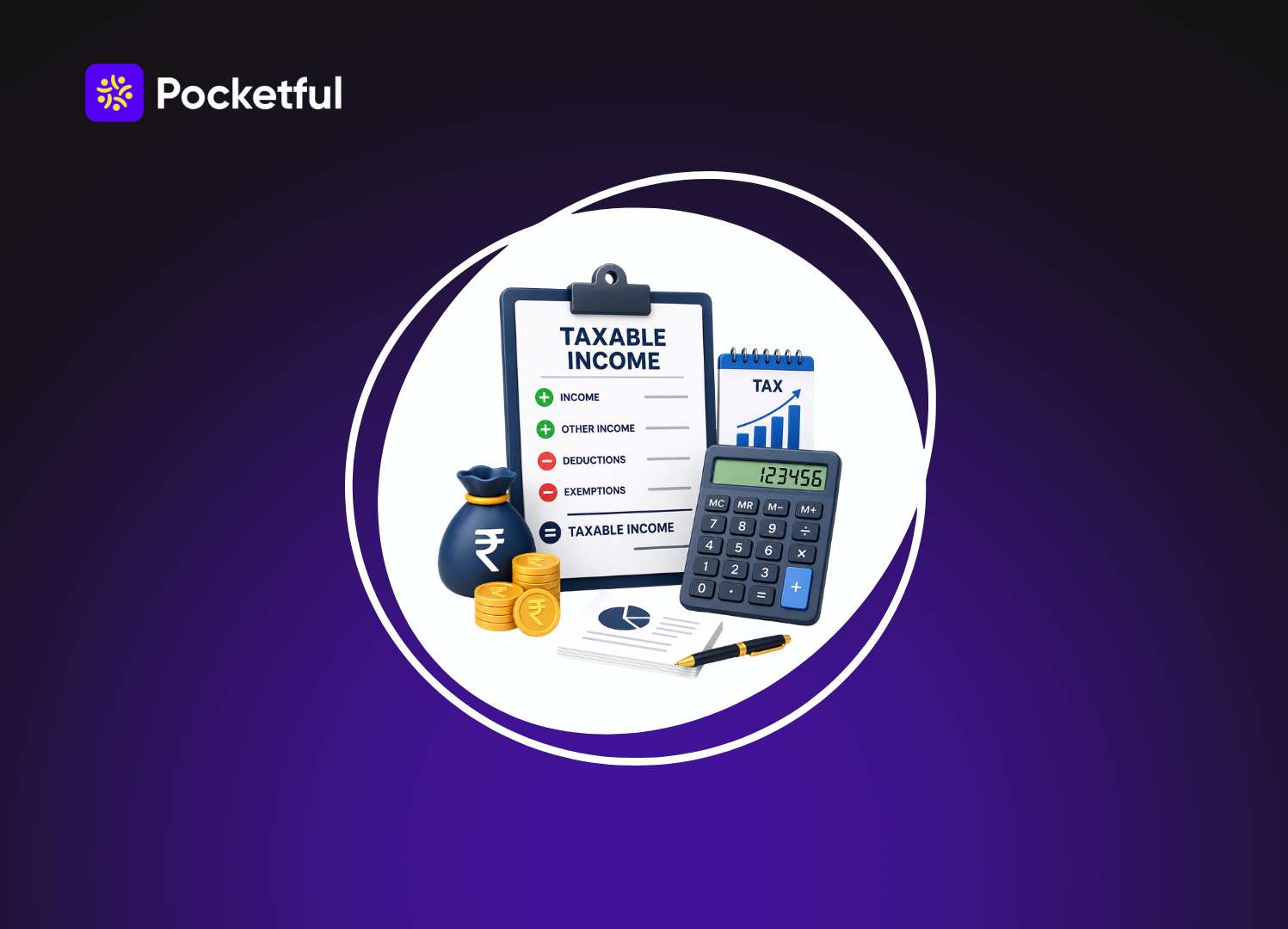
Every year, the tax season brings a sense of worry for many working professionals. People often look at their bank statements and wonder how much of their hard earned money will go to the government. Figuring out tax rules can feel like a huge task. However, proper tax planning does not have to be a headache at all. With the right guidance and a clear understanding of basic rules, individuals can easily manage their finances. Today, this guide will make the tax process very simple. It will walk readers through the exact steps to figure out their exact tax obligations. The main goal is to provide a clear path without using any complex financial terms.
What is Taxable Income?
Taxable income is the final portion of a person’s total earnings on which the government charges tax. A person can earn money from various places like a monthly salary, house rent, business profits, or bank interest. The Income Tax Act clearly defines all these sources to avoid any confusion.
Knowing how to calculate taxable income helps people plan their personal finances much better. The government allows certain exemptions and deductions to reduce the final amount. The money left after removing all these eligible deductions is the final taxable income.
A clear computation of taxable income ensures that taxpayers do not pay extra money by mistake. This is a necessary step before learning how to calculate net income tax. Tracking this carefully helps in building better saving habits.
Once the total taxable amount is clear, it becomes very easy to understand how to calculate income tax based on the government slab rates. This process is highly important for everyone, from salaried employees to small business owners.
How to Calculate Taxable Income – Step by Step
Tax calculation might seem hard at first glance, but it follows a very simple logical flow. By following a structured approach, taxpayers can find their final tax amount without making mistakes.
Step 1: Calculate Gross Total Income
The first step is to add up all the money earned during the financial year. The Income Tax Act divides income into five main heads. These include income from a salary, income from house property, profits from a business or profession, capital gains, and income from other sources.
Salary income includes basic pay, bonuses, and special allowances. Income from house property includes any rent received from tenants. Business profits are the net earnings left after removing business expenses.
Capital gains happen when individuals sell assets like mutual funds or property at a profit. Income from other sources includes interest earned on fixed deposits or savings accounts. Adding all these different earnings together gives the Gross Total Income.
Step 2: Remove Exempt Income
Some types of income are fully exempt from tax. These specific earnings should be removed from the gross total. Examples include agricultural income and certain tax free allowances provided by employers. Removing these items brings down the total income significantly.
Step 3: Claim Tax Deductions
This step is extremely important for reducing the overall tax burden. The government provides several deductions under Chapter VIA of the Income Tax Act. for example Home loan borrowers can use Section 24(b) to claim up to Rs. 2 lakh for the interest they pay on their housing loan. These deductions heavily reward people who save and invest for their future.
Step 4: Apply the Standard Deduction
Salaried employees get a flat standard deduction. the standard deduction under the new tax regime is Rs. 75,000. Under the old tax regime, the standard deduction is Rs. 50,000.
This standard amount is directly subtracted from the salary income. It requires no extra proof, medical bills, or travel tickets. It is a straightforward discount on the salary that makes calculations faster.
Step 5: Arrive at Net Taxable Income
After subtracting all the eligible exemptions and deductions from the Gross Total Income, the remaining balance is the net taxable income. This is the exact amount that will be used to check the tax slab rates.
Income Tax Slab Rate for FY 2026-27
The government announces these rates during the Union Budget. For the Financial Year 2026-27, taxpayers have two choices.
| Income Range | Tax Rate |
|---|---|
| Up to Rs. 4,00,000 | Nil |
| Rs. 4,00,001 to Rs. 8,00,000 | 5% |
| Rs. 8,00,001 to Rs. 12,00,000 | 10% |
| Rs. 12,00,001 to Rs. 16,00,000 | 15% |
| Rs. 16,00,001 to Rs. 20,00,000 | 20% |
| Rs. 20,00,001 to Rs. 24,00,000 | 25% |
| Above Rs. 24,00,000 | 30% |
Under the new tax regime, an individual earning up to Rs. 12 lakh pays zero tax due to the Section 87A rebate. This rebate cancels out the tax liability completely. With the standard deduction of Rs. 75,000, a salaried person earning up to Rs. 12.75 lakh essentially pays no income tax at all.
For those who prefer to claim investment benefits, the old tax regime is still available. The slab rates below apply to individuals below 60 years of age under the old tax regime.
| Income Range | Tax Rate |
|---|---|
| Up to Rs. 2,50,000 | Nil |
| Rs. 2,50,001 to Rs. 5,00,000 | 5% |
| Rs. 5,00,001 to Rs. 10,00,000 | 20% |
| Above Rs. 10,00,000 | 30% |
For senior citizens aged between 60 and 80 years, the basic tax free limit under the old regime is Rs. 3,00,000. For super senior citizens above 80 years, the basic tax free limit is Rs. 5,00,000. Taxpayers also pay an additional 4 percent health and education cess on their final tax amount.
Read Also: How to Calculate In Hand Salary from CTC
Major Tax Deduction you can claim in old Regime
| Section | Deduction Name and Investment Type | Maximum Deduction Limit |
|---|---|---|
| Standard Deduction | Flat deduction for salaried employees and pensioners | Rs. 50,000 |
| Section 80C | Public Provident Fund, Life Insurance, ELSS, Home Loan Principal | Rs. 1,50,000 |
| Section 80D | Health insurance premium for self, family, and parents | Rs. 25,000 to Rs. 1,00,000 |
| Section 24(b) | Interest paid on a Home Loan for self-occupied property | Rs. 2,00,000 |
| Section 80CCD(1B) | Additional contribution to the National Pension System | Rs. 50,000 |
| Section 10(13A) | House Rent Allowance Exemption | Based on salary and rent paid |
| Section 10(5) | Leave Travel Allowance Exemption | Based on actual travel cost |
Benefit of Filing Return on Time
Filing an Income Tax Return is a legal duty for earning citizens. Doing it on time offers several major financial advantages.
- Avoids Penalties and Extra Interest: Filing returns before the due date prevents late fees. The government charges heavy penalties and additional interest under Sections 234A, 234B, and 234C for delayed tax payments and late filings.
- Helps in Quick Loan Approvals: Banks always ask for tax return documents when processing home loans or personal loans. A timely filed tax return acts as a valid proof of income, which makes the loan approval process fast and smooth.
- Allows Carry Forward of Losses: If a person faces losses in the stock market or business, they can adjust these losses against future profits. However, the tax rules only allow this benefit if the tax return is filed strictly before the original deadline.
- Speeds Up Tax Refunds: Sometimes, excess tax gets deducted from a person’s salary by the employer. By filing the tax return early, taxpayers can claim their refunds much faster from the Income Tax Department.
Read Also: Gross Pay vs Net Pay: What’s the Difference?
Conclusion
Planning taxes and understanding income rules can greatly improve overall financial health. Both the new and old tax regimes have their own unique benefits for different types of earners. The choice entirely depends on a person’s saving habits and long term financial goals. For claiming deduction you can choose a platform like pocketful for your investment.
Frequently Asked Questions (FAQs)
What is the meaning of taxable income?
It is the final income amount on which the government levies tax. It is calculated after subtracting eligible exemptions and deductions from the gross total income.
What are the benefits of calculating taxable income early?
Calculating it early helps individuals plan tax saving investments properly. It prevents last minute financial stress and helps in avoiding late penalties during return filing.
How to use tax deduction rules to save money?
Taxpayers can use sections like 80C and 80D under the old regime to invest in life insurance and health insurance. These investments directly reduce the taxable income.
Is the new tax regime better than the old regime?
Neither regime is universally better. The new regime offers lower rates and simplicity. The old regime benefits those with high investments like home loans and insurances.
Do salaried employees get a standard deduction?
Yes, salaried individuals get a standard deduction of Rs. 75,000 under the new regime and Rs. 50,000 under the old regime for FY 2026-27.