Category: Case Study

  • Castrol India Case Study: Business Model, Product Portfolio, And SWOT Analysis

    Castrol India Case Study: Business Model, Product Portfolio, And SWOT Analysis

    Every time you take your car or motorcycle to the garage for maintenance, engine oil is always a topic of discussion. Engine oils and other lubricants are essential for the smooth functioning of automobiles. Castrol is one of the firms that manufacture these products and has been a well-known name among automobile enthusiasts.

    In this blog, we will examine Castrol India Case Study in detail, review its financial statements, and do a SWOT analysis.

    Castrol India Overview

    Castrol was established in the UK in 1899 by Charles Wakefield and was previously known as CC Wakefield & Company. The business started operations in India by importing automotive lubricants from CC Wakefield & Company in 1910. The business manufactures lubricants for large machinery and automobiles. The parent company of Castrol India was acquired by BP Group in 2000 for $4.73 billion. The business was listed on the Bombay Stock Exchange in 1982. The company changed its name to Castrol India in 1990. The business introduced a range of improved engine oils between 2010 and 2020. The company’s headquarters is in Mumbai. 

    Business Model of Castrol India

    The Castrol India business model generates revenues by selling specialty lubricants such as engine oils, transmission fluids, and greases for automobiles and industrial machines. The company has formed strategic alliances with well-known automakers, including Tata Motors, Ford, Honda, Land Rover, etc. In addition, the company offers its products via an e-commerce platform and has over a million retail locations nationwide, as well as a robust distribution network.

    Product Portfolio of Castrol India

    The company offers a wide range of products to their clients, a few of which are mentioned below-

    • Lubricants for Vehicles – The company sells engine oils that improve the performance of both passenger and commercial vehicles. 
    • Lubricants for Industries – Additionally, the company sells machine oils and fluids that increase the machine’s life by reducing wear and tear. 
    • Special Products – Additionally, it provides a selection of coolants and brake fluids for automobiles. 

    Market Details of Castrol India Limited

    Current Market PriceINR 255
    Market Capitalization (In Crores)INR 25,183
    52 Week HighINR 284
    52 Week LowINR 132
    Book ValueINR 21.6
    P/E Ratio (x)28.5
    (Above data as of 17 September 2024)

    Read Also: Indian Oil Case Study: SWOT Analysis and Marketing Strategy

    Financial Statements of Castrol India

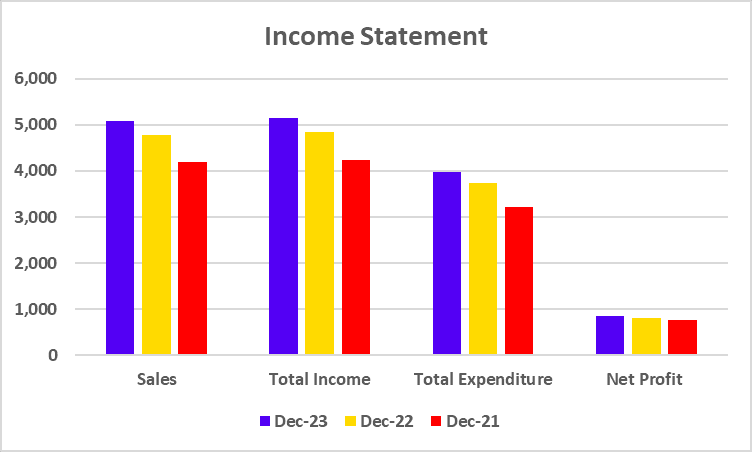
    Income Statement

    ParticularsDecember 2023December 2022December 2021
    Sales5,0744,7744,192
    Total Income5,1574,8414,240
    Total Expenditure3,9693,7443,208
    Net Profit 864815758
    (The figures mentioned above are in INR crores unless mentioned otherwise)
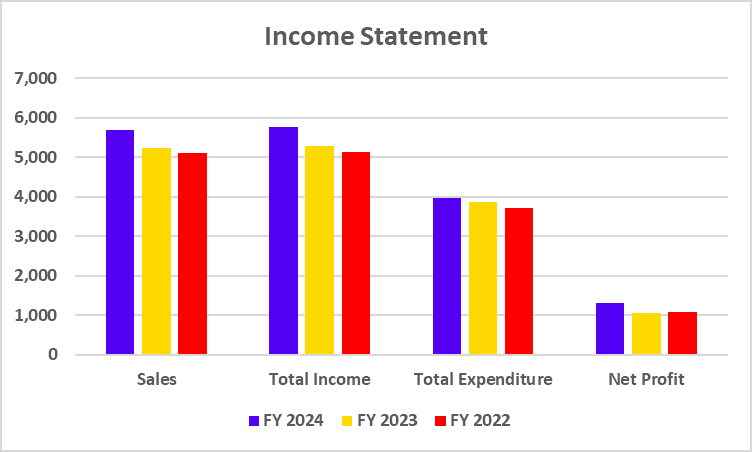
    Income Statement of  Castrol India

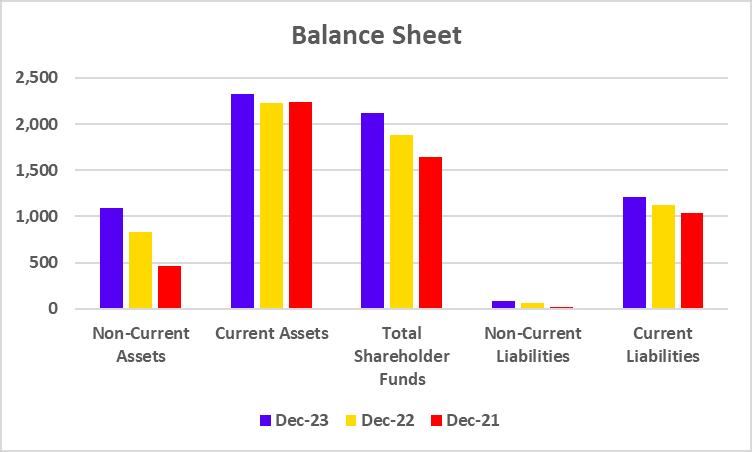
    Balance Sheet

    ParticularsDecember 2023December 2022December 2021
    Non-Current Assets1,096835460
    Current Assets2,3232,2332,243
    Total Shareholder Funds2,1211,8861,645
    Non-Current Liabilities826324
    Current Liabilities1,2151,1191,034
    (The figures mentioned above are in INR crores unless mentioned otherwise)
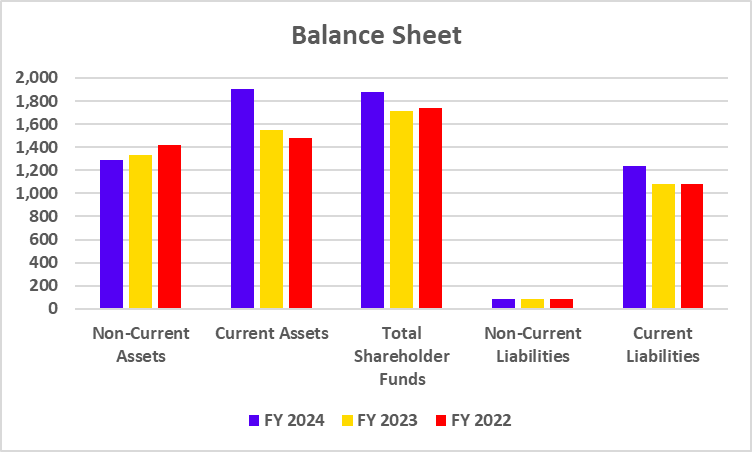
    Balance Sheet of  Castrol India

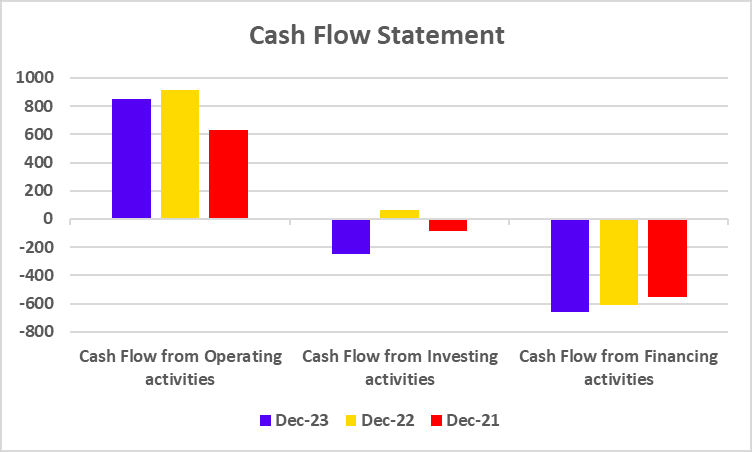
    Cash Flow Statement

    ParticularsDecember 2023December 2022December 2021
    Cash Flow from Operating activities853915630
    Cash Flow from Investing activities-25161-83
    Cash Flow from Financing activities-663-607-557
    (The figures mentioned above are in INR crores unless mentioned otherwise)
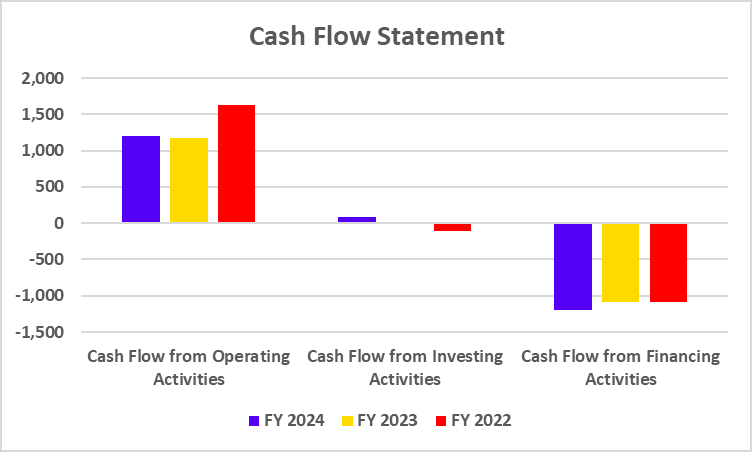
    Income Statement of Castrol India

    Key Performance Indicators (KPIs)

    ParticularsDecember 2021December 2022December 2021
    Operating Profit Margin (%)23.4222.9724.61
    Net Profit Margin (%)17.0217.0718.08
    ROE (%)40.7243.2246.07
    ROCE (%)53.9156.2461.78
    Current Ratio1.9122.17
    Debt to Equity Ratio000

    Read Also: Gillette India Case Study: Business Model, SWOT Analysis, and Financial Overview

    SWOT Analysis of Castrol India

    Strength

    • Brand Reputation – The company has a strong brand image and is known globally for its products.
    • Strategic Partnership – The company has stable revenue streams due to partnerships with several automobile companies.
    • Advanced R&D Capabilities: The company invests in R&D to develop superior products and is a market leader in its industry.

    Weakness

    • Limited Focus – A significant amount of the company’s revenues comes from the automotive sector. 
    • Dependence on Oil Prices – An increase in crude oil prices can increase the cost of raw materials and product prices. A rise in the price of the product can affect sales and profitability.
    • Environmental Concerns – The company uses fossil fuels in manufacturing its products, which makes it a major contributor to pollution.  

    Opportunities

    • Digital Inclusion – The business can boost sales by using new marketing strategies. 
    • Growing Industry – Castrol India Ltd. has the potential to take advantage of this growing automobile sales due to the rise in disposable incomes.
    • Industrial Lubricants – The corporation can concentrate more on industrial lubricants. 

    Threat

    • Crude Oil Prices – The profit margin of the business could be impacted by any increase in crude oil prices. 
    • Economic Slowdown – Every type of economic downturn has the potential to adversely affect the automobile sector’s demand for lubricants. 
    • Shift Towards EV – The need for conventional engine oil will decline as the popularity of electric vehicles increases. 

    Conclusion

    In conclusion, Castrol India Ltd. is a prominent producer of engine oil lubricants in India, with a history spanning more than a century. The company may see a decline in revenues due to the growing popularity of electric vehicles in the short term. However, they have begun to broaden their product line and produce e-lubricants specifically for electric vehicles. It is advised to speak with an investment advisor before investing

    S.NO.Check Out These Interesting Posts You Might Enjoy!
    1Hindustan Unilever Case Study
    2Elcid Investments – India’s Costliest Stock
    3Reliance Power Case Study
    4Burger King Case Study
    5Zara Case Study

    Frequently Asked Questions (FAQs)

    1. Where is the headquarters of Castrol India Ltd.?

      The headquarters of Castrol India Ltd. is in Mumbai.

    2. Is Castrol India Limited a large-cap or mid-cap company?

      Castrol India Limited is classified as a mid-cap company as it has a market capitalization of INR 25,183 crores as of 17 September 2024. 

    3. Who founded Castrol?

      Charles Wakefield was the founder of CC Wakefield & Company. The company was renamed as Castrol Ltd. in 1960.

    4. Is Castrol India Ltd. a profitable company?

      Castrol India Ltd. is a profitable company as it has reported a net profit of 864 crores and 815 crores in the last two fiscal years.

    5. Is it good to invest in Castrol India Ltd.?

      Castrol India can be a good investment opportunity as it has generated profits in the last three years. However, an individual should analyze the financial statements or consult a financial advisor before making any investment decisions. 

  • GSK Pharma Case Study: Business Model, Product Portfolio, and SWOT Analysis

    GSK Pharma Case Study: Business Model, Product Portfolio, and SWOT Analysis

    A healthy population is necessary for a nation to progress. Pharmaceutical companies are crucial in ensuring the country’s population remains healthy. But have you ever thought about investing in pharmaceutical companies? Have you ever wondered how pharmaceutical firms make money? What restrictions have the regulatory agencies put on them?

    In this blog, we will focus on GlaxoSmithKline Pharmaceuticals Ltd. or GSK Pharma, discuss its beginnings, business model, and product portfolio and conduct a SWOT analysis.

    GSK Pharma Company Overview

    The company started operations in India in 1924 as H.J. Foster & Co. Ltd., later renamed Glaxo Laboratories. In 1930, a factory to manufacture essential medicines was set up in Mumbai. In the 1950s and 1960s, GSK expanded operations in India by setting up more manufacturing facilities and was listed on the Indian Stock Exchange in 1969. To increase its market share, the company launched several medications and vaccines in the Indian market. In 2000, Glaxo Wellcome and SmithKline Beecham merged to form a new company named Glaxo SmithKline Pharmaceuticals Ltd. The company has entered into strategic partnerships with various companies to expand its market share. The company’s headquarters is in Mumbai. 

    Business Model of GSK Pharma

    GSK Pharma is a well-known brand in the Indian pharmaceutical sector. The company manufactures and provides high-quality medications to its customer base. It produces its goods in India to cut expenses and comply with national regulations. The business uses a robust distribution network to ensure that its goods reach every corner of the nation. For vaccine supply and immunization initiatives, the company has formed numerous strategic alliances with other NGOs and the Indian government.

    Product Portfolio of GSK Pharma

    Customers of GSK Pharma have access to a wide variety of products, including medications for respiratory conditions, dermatological conditions, bacterial and viral infections, and other ailments. Additionally, it provides vaccinations against influenza, chicken pox, etc. In 2019, GSK formed a joint venture with Pfizer to combine their consumer healthcare business. In 2022, the consumer healthcare business was spun off to form Haleon, which was listed on the London Stock Exchange. Some of the key products include Sensodyne toothpaste, ENO, Otrivin, etc. 

    Market Details of GlaxoSmithKline Pharmaceuticals Limited

    Current Market PriceINR 2,826
    Market Capitalization (In Crores)INR 47,875
    52 Week HighINR 3,088
    52 Week LowINR 1,385
    Book ValueINR 105
    P/E Ratio (x)62.2
    (Above Data as of 18 September 2024)

    Read Also: Case Study on Procter & Gamble Marketing Strategy

    Financial Statement

    Income Statement

    ParticularsFY 2024FY 2023FY 2022
    Sales3,4533,2513,278
    Total Income3,5763,3523,353
    Total Expenditure2,7582,5142,572
    Net Profit589607380
    (The figures mentioned above are in INR crores unless mentioned otherwise)

    GSK Pharma Balance Sheet

    ParticularsFY 2024FY 2023FY 2022
    Non-Current Assets758832925
    Current Assets2,7982,4943,708
    Total Shareholder Funds1,7781,7412,663
    Non-Current Liabilities254259272
    Current Liabilities1,5251,3261,698
    (The figures mentioned above are in INR crores unless mentioned otherwise)

    Cash Flow Statement

    ParticularsFY 2024FY 2023FY 2022
    Cash Flow from Operating activities582484810
    Cash Flow from Investing activities8807-405
    Cash Flow from Financing activities-561-1,543-524
    (The figures mentioned above are in INR crores unless mentioned otherwise)

    Key Performance Indicators (KPIs)

    ParticularsFY 2024FY 2023FY 2022
    Operating Profit Margin (%)27.8425.8023.47
    Net Profit Margin (%)17.0818.7851.69
    Return on Net Worth/Equity (%)33.4235.4163.64
    ROCE (%)47.3341.9526.21
    Current Ratio1.841.882.18
    Debt to Equity Ratio000

    Read Also: Case Study on Starbucks Marketing Strategy

    SWOT Analysis of GSK Pharma

    Strengths

    • Brand Reputation – The company has been a market leader and one of India’s top 5 pharmaceutical firms for a long time, with a strong brand reputation. 
    • Diversified Product Portfolio – The company’s product line consists of a wide range of medications. 
    • Invest in Research of Products – The company’s investment in the research and development division enables it to enhance its products consistently.

    Weaknesses

    • Regulations – The pharmaceutical industry is subject to stringent restrictions, and the company has encountered several obstacles imposed by the US FDA. 
    • Competition – The company’s market share may be impacted by competition from manufacturers of generic medications. 

    Opportunities

    • Expansion – The company can grow its market share by developing better products. 
    • Vaccine – The company can take advantage of the increasing demand for vaccines in India. 
    • Partnership – The company can strategically partner with various healthcare companies to expand its market reach.

    Threats

    • Supply Chain –  Any interruption to the company’s supply chain would immediately impact sales and earnings. 
    • Patents – The company owns multiple patents, and when these patents expire, generic drug producers become more competitive. 
    • Price Control – The Indian government has designed stringent regulations regarding the cost of vital medications, diminishing the profit margin of the pharmaceutical industry. 

    Conclusion

    GlaxoSmithKline Pharmaceuticals (GSK Pharma) is a leader in the pharmaceutical sector. The company prioritizes drug research and development to pave a path for a healthier and more prosperous future. Despite the challenges it faces, the company effectively competes with its competitors. The USFDA and other regulatory bodies closely observed its activities. The company is in great financial standing and can be considered a good investment opportunity as it has been consistently profitable. It is advised to consult a financial advisor before investing.  

    S.NO.Check Out These Interesting Posts You Might Enjoy!
    1Hindustan Zinc Case Study: Business Model, Financial Statements, And SWOT Analysis
    2Gillette India Case Study: Business Model, SWOT Analysis, and Financial Overview
    3Colgate Palmolive India Case Study: Business Model, Product Portfolio, And SWOT Anlaysis
    4Netflix Case Study: Marketing Strategy, Product Portfolio and Pricing Strategy
    5Amazon Case Study: Marketing Strategy, Product Portfolio and Pricing Strategy

    Frequently Asked Questions (FAQs)

    1. Who is the managing director of GlaxoSmithKline Pharmaceuticals Ltd.?

      Bhushan Akshikar is the managing director of GlaxoSmithKline Pharmaceuticals Ltd.

    2. What is the full form of GSK Pharma?

      The full form of GSK Pharma is GlaxoSmithKline Pharmaceuticals Limited.

    3. Who are GSK Pharma’s main competitors?

      GSK Pharma Limited faces stiff competition from Sun Pharma, Cipla, Dr Reddy, Zydus Life Sciences, Divis Labs, etc.

    4. Is GSK Pharma Ltd. a profitable company?

      GSK Pharma is a profitable company as it has reported a profit of 589 crores in FY 2024 and 607 crores in FY 2023.

    5. Is GSK Pharma a large-cap or mid-cap company?

      GSK Pharma is a large-cap company with a market capitalization of 47,875 crores as of 18 September 2024.

  • BPCL Case Study: Business Model, Product Portfolio and SWOT Analysis

    BPCL Case Study: Business Model, Product Portfolio and SWOT Analysis

    Bharat Petroleum Corporation Ltd. (BPCL) uses two taglines, “Pure for Sure” and “Energizing Lives,” for its petroleum products and fuel station services. These taglines reflect the company’s mission to provide fuel and energy for the well-being of individuals, businesses, and communities and economic growth. 

    In this blog, we will discuss BPCL and its business model and products. We will also provide financial information and do a SWOT analysis.

    Bharat Petroleum Corporation Ltd. (BPCL) Overview

    BPCL, or Bharat Petroleum Corporation Limited, is a public-sector oil and gas enterprise in India. It is one of the biggest public-sector undertakings (PSUs) in India, involved in the exploration, refining, marketing, and distribution of petroleum products.

    BPCL’s business model is woven around its integrated operations across the oil and gas value chain, from exploration and refining to marketing and distribution. The company provides a wide range of products and services, including fuels such as petrol, diesel, LPG, ATF, industrial lubricants, and renewable energy solutions. BPCL remains a key player in India’s energy sector due to its extensive infrastructure and customer-centric approach.

    Bharat Petroleum Corporation Limited (BPCL) is one of the Maharatna companies in India. The Government of India grants Maharatna status to certain public-sector companies with good financial performance, significant market presence, and substantial contribution to the economy. This status allows these companies greater independence in decision-making and investments, helping them to compete globally.

    BPCL, being one of the Maharatna companies, enjoys these privileges, which include:

    • Greater Financial Autonomy: BPCL can make investments up to a certain limit without requiring government authorization, but it also has a greater social responsibility, ensuring that it has a positive impact on the community and environment.
    • Enhanced Operational Flexibility: The company has more autonomy in forming joint ventures, mergers, and acquisitions because of its significant global presence.
    • Increased Decision-Making Power: The Maharatna status allows BPCL’s board of directors to make significant decisions, such as investments in new ventures or expanding existing operations, without needing prior government approval within specified limits.

    This status reflects BPCL’s importance in the Indian economy and its capability to deliver a high-quality performance.

    Read Also: TCS Case Study: Business Model, Financial Statement, SWOT Analysis

    Business Model and Services of BPCL

    Bharat Petroleum Corporation’s operations range from exploring and refining crude oil to marketing and distributing petroleum products.

    BPCL business model offers a wide range of products and services, including:

    • Fuels: Petrol, diesel, kerosene, and aviation turbine fuel (ATF).
    • LPG: LPG gas (Bharat gas) for domestic, commercial, and industrial use.
    • Lubricants: Lubricants for automotive, industrial, and marine applications.
    • Industrial Products: Bitumen, furnace oil, and diesel oil.
    • Gas Distribution: Compressed Natural Gas (CNG)& and Piped Natural Gas (PNG).

    Financial Statements of Bharat Petroleum Corporation Ltd.

    Income Statement

    ParticularsFY 2024FY 2023FY 2022
    Sales4,48,0834,73,1873,46,791
    Total Income4,50,3174,74,6853,49,059
    Total Expenditure4,11,0394,70,3103,31,952
    Net Profit25,793-6010,145
    (The figures mentioned above are in INR crores unless mentioned otherwise)
    Income Statement of Bharat Petroleum Corporation Ltd.

    Balance Sheet

    ParticularsFY 2024FY 2023FY 2022
    Total Non-Current Assets1,36,7231,32,0951,25,529
    Total Current Assets65,69456,01261,999
    Total Shareholders Funds75,63553,52251,905
    Total Non-Current Liabilities45,89959,74452,554
    Total Current Liabilities80,88374,84183,068
    (The figures mentioned above are in INR crores unless mentioned otherwise)
    Balance sheet of Bharat Petroleum Corporation Ltd.

    Cash Flow Statement

    ParticularsFY 2024FY 2023FY 2022
    Cash flow from Operating activities35,93512,465 20,335 
    Cash flow from Investing activities-10,520 -7,806-8,137 
    Cash flow from Financing activities-25,427-4,402-17,671 
    (The figures mentioned above are in INR crores unless mentioned otherwise)
    Cash Flow Statement of Bharat Petroleum Corporation Ltd.

    Key Performance Indicators

    ParticularsFY 2024FY 2023FY 2022
    Net Profit Margin (%)5.75-0.012.92
    ROE (%)35.513.9822.50
    ROCE (%)32.535.3115.28
    Debt to Equity0.601.131.08
    P/E (X)2.3917.203.27
    P/B (X)1.701.371.47

    Read Also: Boat Case Study: Business Model, Product Portfolio, Financials, and SWOT Analysis

    Swot Analysis of Bharat Petroleum Corporation Ltd. (BPCL)

    The SWOT analysis of BPCL reveals the company’s strengths, weaknesses, opportunities, and threats in the highly competitive petroleum industry, outlining its market position, growth potential, and challenges.

    Strengths

    1. BPCL has a significant market share in the petroleum sector and is one of India’s leading oil and gas companies.
    2. BPCL has a wide network of fuel stations, pipelines, and distribution points across the country.
    3. BPCL is a state-owned enterprise that receives government support in the form of policies, subsidies, and financial assistance, which enhances its stability.
    4. It has integrated operations across the entire petroleum value chain, from refining to distribution, hence has better control over supply and pricing.
    5. BPCL continuously invests in research and innovation to reduce carbon emissions and to become energy efficient. 

    Weaknesses

    1. BPCL is heavily dependent on imported crude oil, making it vulnerable to fluctuations in global oil prices and currency exchange rates.
    2. BPCL’s profitability is affected as it has to work under a government-regulated price structure.
    3. BPCL regularly invests in infrastructure and technological upgrades, which results in high capital expenditure (CAPEX).
    4. BPCL’s operations are exposed to political risks.

    Opportunities

    1. India’s energy demand is rising due to various economic and demographic factors, including population growth, urbanization, and economic development. This presents opportunities for BPCL to expand its product range and increase sales growth.
    2. Renewable energy is an emerging theme, and BPCL has been focused on clean energy and other sources of renewable energy sources such as solar, wind, and biofuels.
    3. Privatization plans of BPCL could bring in more capital and enhance efficiency.
    4. BPCL could explore overseas markets to expand its footprint and reduce reliance on the domestic market.

    Threats

    1. Global price volatility in crude oil prices directly impacts BPCL’s margins, as it deals with thin refining spreads and the pressure of maintaining competitive retail pricing.
    2. Strict regulatory norms regarding emissions can result in increased operational costs for BPCL.
    3. BPCL faces intense competition from competitors like Indian Oil Corporation Ltd. (IOCL) and private players like Reliance.
    4. Shift towards electric vehicles in India could reduce the demand for traditional fuels like petrol and diesel, affecting BPCL’s core business.

    Conclusion

    BPCL is a diversified and customer-centric company, offering a wide range of products and services across the oil and gas value chain. BPCL’s business model is built around its integrated operations across the oil and gas value chain, from exploration and refining to marketing and distribution. The company provides a wide range of products and services, including petrol, diesel, LPG, ATF, industrial products, lubricants, and renewable energy solutions. However, it is advised to consult a financial advisor before investing.

    S.NO.Check Out These Interesting Posts You Might Enjoy!
    1HDFC Bank Case Study: Business Model, Financial Highlights, and SWOT Analysis
    2Vedanta Case Study: Business Model, Financial Statement, SWOT Analysis
    3Nestle India Case Study: Business Model, Financial Statement, SWOT Analysis
    4BSE Case Study: Business Model And SWOT Analysis
    5Apollo Hospitals Case Study : Business Model, Financial Statements, And SWOT Analysis

    Frequently Asked Questions (FAQs)

    1. Is the government thinking of privatization of BPCL?

      The government has been considering selling its stake in BPCL for the past four years, but as per the recent developments, Union Minister for Petroleum & Natural Gas Hardeep Singh Puri said that the plans to privatize state-owned BPCL have been shelved for now as BPCL has made more money in the first three quarters than the stake sale amount.

    2. How does BPCL contribute to renewable energy and sustainability?

      BPCL is reducing its carbon footprint as a responsible company by enhancing its operational efficiency.  It invests in renewable energy projects, including solar and wind power, and develops infrastructure for electric vehicle (EV) charging stations.  

    3. How does BPCL contribute to the Indian Energy sector?

      BPCL plays an important role in India’s energy sector by maintaining a steady supply of petroleum products nationwide. The company’s extensive refining and distribution network helps it meet the growing energy demand.

    4. How can I invest in BPCL shares?

      One can invest in BPCL shares by purchasing them through a stockbroker or an online trading platform. BPCL is listed on both the stock exchanges, BSE and NSE, under the ticker symbol “BPCL.”

    5. Is BPCL a Maharatna company?

      Bharat Petroleum Corporation Ltd. (BPCL) is a Maharatna company.

  • IndusInd Bank Case Study: Business Model, Product Portfolio, and SWOT Analysis

    IndusInd Bank Case Study: Business Model, Product Portfolio, and SWOT Analysis

    Searching for a bank that offers you all the services you need at your fingertips and also provides a safe place to park your hard-earned money. Its commitment to innovation and technological advancements has transformed the way banking is conducted.

    In this blog, we will discuss the specifics of Indusind Bank Ltd, its business model, products, and services, and do a SWOT analysis.

    Overview of IndusInd Bank Ltd. 

    The IndusInd Bank was established by Srichand P. Hinduja, a renowned Indian businessman. In 1994, it was granted a banking license by the RBI and issued an IPO in 1997. Beginning in 2000, the bank began to spread across the country. In 2001, the bank introduced mobile banking services and ‘IndusNet,’ its internet banking platform. The bank expanded its operations into rural and semi-urban areas when it purchased Bharat Financial Inclusion Limited later in 2019. The bank operates more than 2900 ATMs and more than 3000 branches in India. The organization’s headquarters is in Mumbai.

    Business Model of IndusInd Bank Ltd. 

    The bank is continuously developing innovative financial products and is leveraging technology to increase its efficiency. The bank has forged several strategic alliances with other financial organizations to increase the variety of products it offers and market share. The principal revenue stream for the bank is interest income obtained from the different kinds of loans it has granted, such as personal, house, and auto loans. In addition to this, they receive fees for providing debit cards, credit cards, currency, and other services. 

    Products & Services of IndusInd Bank Ltd. 

    The bank serves both corporate and retail clientele. They provide savings, current, fixed, and recurring deposit accounts, and various lending services, such as home and auto loans, to retail clients. They provide a range of credit facilities for working capital, term loans, overdrafts, etc., to large corporate clients and SMEs. In addition, the bank provides its clients with foreign exchange services, financial consulting services, and customized asset management services for high-net-worth individuals. 

    Read Also: Rupay Case Study: Features, Timeline, Types, Growth, and Comparison

    Market Details of IndusInd Bank Ltd. 

    Current Market PriceINR 1,463
    Market Capitalization (In Crores)INR 1,13,987
    52 Week HighINR 1,694
    52 Week LowINR 1,329
    Book ValueINR 807
    P/E Ratio (x)12.8
    (Above data as of 13 September 2024)

    Financial Statements of IndusInd Bank Ltd. Case Study

    Income Statement

    ParticularsFY 2024FY 2023FY 2022
    Interest Income45,74836,36730,822
    Total Income55,14344,54038,230
    Total Expenditure39,27930,12125,132
    Net Profit8,9777,4434,805
    (The figures mentioned above are in INR crores unless mentioned otherwise)
    Income Statement of IndusInd Bank Ltd.

    Balance Sheet

    ParticularsFY 2024FY 2023FY 2022
    Deposits3,84,5853,36,1202,93,349
    Advances3,43,2982,89,9232,39,051
    Investments1,06,48683,07570,929
    Total Shareholder Funds62,03053,88246,928
    (The figures mentioned above are in INR crores unless mentioned otherwise)
    Balance Sheet of IndusInd Bank Ltd.

    Cash Flow Statement

    ParticularsFY 2024FY 2023FY 2022
    Cash Flow from operating activities-16,924-12,44216,672
    Cash Flow from investing activities-711-560-406
    Cash Flow from financing activities-2,2411,114-4,302
    (The figures mentioned above are in INR crores unless mentioned otherwise) 
    Cash Flow Statement of IndusInd Bank Ltd.

    Key Performance Indicators (KPIs)

    ParticularsFY 2024FY 2023FY 2022
    Net Interest Margin (%)43.843.73
    Net Profit Margin (%)19.6220.4615.58
    Return on Equity (%)14.2613.6010.06
    Return on Capital Employed (%)3.203.273.36
    CASA37.8740.0842.72

    Read Also: Case Study on Procter & Gamble Marketing Strategy

    SWOT Analysis of IndusInd Bank Ltd.

    Strengths

    • Brand Image – Indusind Bank has established a strong brand image and is seen as a dependable bank.
    • Diversified Product Portfolio – The bank provides a range of products to its clientele, including loans, investment services, and several kinds of savings accounts. 
    • Loan Book – An indication of the company’s strong financial standing is the expansion of its loan book on an annual basis. 

    Weakness

    • Market Share – The bank’s market share is comparatively smaller than that of the other participants in the industry.
    • Limited Geographical Reach – The bank’s limited geographical presence limits its potential for growth because it has concentrated on specific regions of the nation. 
    • Wholesale Borrowing – Most of the bank’s borrowing comes from wholesale borrowing, which raises borrowing costs. 

    Opportunities

    • Cross-Selling – The bank can sell other financial products to exploit cross-selling opportunities, which will boost their earnings. 
    • Digital Inclusion – The bank may take advantage of this growth in internet usage by adding additional digital products. 
    • Rural Areas – The bank can increase its market share by reaching out to untapped semi-urban and rural areas. 

    Threat

    • Competition – IndusInd Bank faces fierce competition from well-established government and private banks. 
    • Cyber Security Risk – Since banks rely on digital technologies to store their data, any type of cyberattack will compromise the bank’s integrity.
    • Government Policies – Since the Indian banking sector is so heavily regulated, any changes to the laws could have an impact on the bank’s operations. 

    Conclusion

    Within the Indian banking sector, the IndusInd Bank has made a big name for itself. The bank responds to the evolving digital technology landscape by providing its clients with innovative financial products. IndusInd Bank can increase its market share by expanding its operations in rural and semi-urban areas. However, one should speak to a financial advisor before making investment decisions. 

    S.NO.Check Out These Interesting Posts You Might Enjoy!
    1ICICI Bank Case Study: Financials, KPIs, Growth Strategies, and SWOT Analysis
    2Vedanta Case Study: Business Model, Financial Statement, SWOT Analysis
    3Nestle India Case Study: Business Model, Financial Statement, SWOT Analysis
    4BPCL Case Study: Business Model, Product Portfolio and SWOT Analysis
    5Apollo Hospitals Case Study : Business Model, Financial Statements, And SWOT Analysis

    Frequently Asked Questions (FAQs)

    1. Who is the current MD and CEO of IndusInd Bank?

      Mr Sumant Kathpalia is the current MD and CEO of IndusInd Bank as of 13 September 2024.

    2. Is Indusind Bank a profitable bank?

      IndusInd Bank is profitable as it has declared net profits of 8,977 crores in FY 2024 and 7,443 crores in FY 2023. 

    3. Where is the headquarters of Indusind Bank situated?

      The headquarters of IndusInd Bank is situated in Mumbai.

    4. IndusInd Bank is a large-cap or mid-cap company?

      IndusInd Bank is classified as a large-cap firm by market capitalization as of 13 September 2024.

    5. When was Indusind Bank Limited established?

      Mr S.P. Hinduja established the IndusInd Bank in 1994. 


  • Divi’s Laboratories Case Study: Business Model, Product Portfolio, And SWOT Analysis

    Divi’s Laboratories Case Study: Business Model, Product Portfolio, And SWOT Analysis

    A healthy population is necessary for a country to progress, and the pharmaceutical sector plays a major role in it. If you are a healthcare professional, industry expert, or just curious about pharmaceuticals, this blog is for you.

    In this blog, we will explore Divi’s Laboratories, its business model, and its product range. We will also review the firm’s financial data and do a SWOT analysis.

    Divi’s Laboratories Overview

    Divi’s Laboratories stands out as a leading Indian multinational pharma powerhouse, renowned for its expertise in the production and distribution of Active Pharmaceutical Ingredients (APIs) and intermediates. It is based in Hyderabad, India, and operates in multiple countries. Established in 1990 as Divi’s Research Centre, the company originally concentrated on creating commercial processes for the production of APIs and intermediates. In 1995, the company inaugurated its manufacturing facility in Telangana. Divi’s Laboratories went public in 2003 via IPO. Over the years, the company has consistently expanded its product portfolio, manufacturing capabilities, and global reach.

    Business Model & Product Range of Divi’s Laboratories

    The company’s business model focuses on generating sustainable value for all shareholders, fostering responsible growth through strategic initiatives, and promoting social and environmental responsibility. It strongly believes that this approach is important for attaining long-term success in today’s rapidly changing business environment.

    Divi concentrates on three different business segments:

    • Generic APIs – The company is recognized as one of the world’s largest API manufacturers, offering a selective list of 30 Generic APIs commercially manufactured in huge volumes.
    • Custom Synthesis – This segment offers contract manufacturing services of APIs and Intermediates for global innovator companies across a vast portfolio of products in diverse therapeutic areas.
    • Nutraceuticals – Divi’s has a Nutraceutical Facility at its manufacturing site, which is an integrated facility for the production of active pharmaceutical ingredients and finished forms of Carotenoids. The company supplies most of the carotenoids to all the major food, dietary supplement, and feed manufacturers around the world.

    Divi’s core value proposition is to provide high-quality, reliable, and cost-effective APIs to its customers worldwide.

    Read Also: Case Study on Procter & Gamble Marketing Strategy

    Financial Statements of Divi’s Laboratories

    Income Statement

    ParticularsFY 2024FY 2023FY 2022
    Sales7,8457,7678,959
    Total Income8,1848,1129,073
    Total Expenditure6,0185,7425,389
    Net Profit1,6001,8232,960
    (The figures mentioned above are in INR crores unless mentioned otherwise)
    Income Statement of Divi’s Laboratories

    Balance Sheet

    ParticularsFY 2024FY 2023FY 2022
    Total Non-Current Liabilities621571451
    Total Current Liabilities1,2781,1011,196
    Total Non-Current Assets5,7955,1275,023
    Total Current Assets9,6759,3128,352
    Total Shareholders Funds13,57112,76711,728
    (The figures mentioned above are in INR crores unless mentioned otherwise)
    Balance sheeet of Divi’s Laboratories

    Cash Flow Statements

    ParticularsFY 2024FY 2023FY 2022
    Cash Flow from Operating activities1,2612,459 1,911
    Cash Flow from Investing activities-269 -2,707 -2,194
    Cash Flow from Financing activities-799-797-532
    (The figures mentioned above are in INR crores unless mentioned otherwise)
    Cash Flow Statement of Divi’s Laboratories

    Key Performance Indicators

    ParticularsFY 2024FY 2023FY 2022
    ROE (%)11.7814.2825.24
    ROCE (%)15.2617.7630.25
    Debt-to-Equity0.000.000.00
    P/E (x)57.1641.1039.47
    P/B (x)6.715.889.97

    SWOT Analysis of Divi’s Laboratories

    Strengths

    • Divi’s laboratory boasts a robust global presence, catering to clients in more than 100 countries. This extensive reach enables them to access a variety of markets.
    • The company is renowned for its unwavering dedication to quality. Their strict quality control protocols and adherence to regulatory standards guarantee that their products consistently uphold the highest benchmarks.
    • It also provides various APIs and intermediates for different therapeutic areas.

    Weaknesses

    • A substantial amount of raw materials used in API production is sourced from imports, mainly from China. This exposes the company to disruptions in the supply chain due to changing trade policies.
    • The API manufacturing industry needs significant capital investment, driven by the necessity for regular technology upgrades, expansion of production capacity, and adherence to international regulatory standards.
    • The API market is highly competitive, with numerous players, both large and small. Divi’s laboratories must continuously invest in R&D to maintain its market position.

    Opportunities

    • Divi’s Laboratories is poised to increase its market share in emerging markets due to the rising demand for generic drugs and the outsourcing of API manufacturing.
    • It can broaden its product portfolio by venturing into therapeutic areas, including biologics, oncologists, and high-potency active pharmaceutical ingredients (APIs).
    • Collaborations with other pharmaceutical companies can provide access to new markets, technologies, and expertise.

    Threats

    • Changes in regulatory requirements can affect the company’s operations, making compliance costly and time-consuming.
    • Since the company relies heavily on exports, it is vulnerable to currency fluctuations, particularly due to the USD-INR exchange rate.
    • Fierce competition from generic medicine manufacturers often results in a decline in the prices of generic drugs and increased pressure on profit margins.

    Read Also: GSK Pharma Case Study: Business Model, Product Portfolio, and SWOT Analysis

    Conclusion

    To summarise, Divi’s Laboratories is a top global player in API manufacturing. The company is known for its reliability and excellence due to its focus on quality, innovation, and customer satisfaction. The research and development have enabled it to expand its product offerings and enter new markets. Divi’s is strategically poised to sustain its growth and thrive in the pharmaceutical sector. As the demand for high-quality API rises, the company will likely expand its production capabilities and further enhance its competitive edge in the industry. It is advised to consult a financial advisor before investing.

    Frequently Asked Questions

    1. Where are the headquarters of Divi’s Laboratories?

      The headquarters of Divi’s Laboratories is in Hyderabad, India.

    2. What is the Divi’s Laboratories’ main business?

      The company provides high-quality APIs and intermediates to pharmaceutical companies worldwide.

    3. What are some of the therapeutic areas that the company offers?

      It caters to various therapeutic areas, including cardiovascular, central nervous system, anti-inflammatory, oncology, etc.

    4. What is the current market price and market capitalization of Divi’s Laboratories?

      The company’s current market price is INR 5,459, and the market capitalization is INR 1,44,910 crores as of 13 September 2024.

    5. Does Divi’s Laboratories have a global presence?

      Yes, Divi’s Laboratories serves customers in over 100 countries worldwide.

  • Hindalco Industries Case Study: Business Model and SWOT Analysis

    Hindalco Industries Case Study: Business Model and SWOT Analysis

    India is a mineral-rich country with an abundant supply of aluminium, copper, iron ore, manganese, etc. Mining companies extract minerals from the soil, process them, and provide them to various industries such as infrastructure, automotive, etc. These businesses generate employment and contribute to the nation’s manufacturing activity and GDP.

    In this blog, we will provide an overview of Hindalco Industries Ltd., an Indian company that produces and manufactures copper and aluminium goods.

    Hindalco Industries Ltd. Company Overview

    The Aditya Birla Group founded the Hindalco Industries Ltd. company and began operations in 1958. They first worked with Kaiser Aluminum, USA, and later with the Bihar government to produce aluminium. The company established India’s first integrated aluminium facility in Renukoot, Uttar Pradesh, in 1962. Later, in 1980, they began diversifying their product portfolio and started smelting copper. Since 2000, the company has made several strategic acquisitions to strengthen its market position. The organisation’s headquarters is in Mumbai. 

    Business Model of Hindalco Industries

    The Hindalco business model primarily operates through several key segments:

    • Resource Mining: Hindalco has mines in Jharkhand, Chattisgarh, Maharashtra and Odisha and sources raw materials required for aluminium production from these mines.
    • Alumina Refining: The company has refining facilities in Utkal, Renukoot, Muri and Belagavi that produce alumina. Alumina is utilised for our internal operations to manufacture aluminium, and the excess alumina is sold off to other industries.
    • Aluminium Smelting: The company has four smelting facilities in Uttar Pradesh, Odisha and Madhya Pradesh that produce 1.3 million tons of primary aluminium annually.
    • Aluminium Downstream: The company offers products in rolled products, extrusions, foil and packaging segments.
    • Copper Smelting: Birla Copper, located in Gujarat, is the world’s largest copper smelter facility with integrated port facilities. 

    Product Portfolio of Hindalco Industries

    The company has been primarily involved in three business verticals mentioned below:

    • Aluminium: Primary aluminium, Metallurgical aluminium, and Aluminium value-added products.
    • Copper: Cathodes, Continuous Cast Rods, By-Products
    • Chemicals: Calcined alumina, Alumina hydrate 

    The products mentioned above are used in various industries such as automotive, aerospace, consumer durables, etc.

    Market Details of Hindalco Industries Limited

    Current Market PriceINR 663
    Market Capitalization (In INR Crores)1,49,058
    Book ValueINR 472
    52 Week HighINR 715
    52 Week LowINR 449
    P/E Ratio (x)13.6
    (Above data as of 10th September 2024)

    Read Also: Amul Case Study, Business Model, And Marketing Strategy

    Financial Statements of Hindalco Industries

    Income Statement

    ParticularsFY 2024FY 2023FY 2022
    Sales2,15,9622,23,2021,95,059
    Total Income2,17,4582,24,4591,96,195
    Total Expenditure1,99,5902,07,5811,72,859
    Net Profit10,15310,08814,195
    (The figures mentioned above are in INR crores unless mentioned otherwise)
    Hindalco Industries Income Statement

    Balance Sheet

    ParticularsFY 2024FY 2023FY 2022
    Non-Current Assets1,49,5641,35,5061,24,519
    Current Assets82,34389,31198,543
    Total Assets2,31,9072,24,8172,23,062
    Total Shareholder Funds1,06,14294,80278,187
    Non-Current Liabilities66,39969,54367,587
    Current Liabilities59,35160,45777,273
    (The figures mentioned above are in INR crores unless mentioned otherwise)
    Hindalco Industries Balance Sheet

    Cash Flow Statement

    ParticularsFY 2024FY 2023FY 2022
    Net Cash flow from operating activities24,05619,20816,838
    Cash flow from investing activities-14,276-8,121-7,074
    Cash flow from financing activities-10,817-10,345-6,765
    (The figures mentioned above are in INR crores unless mentioned otherwise)
    Hindalco Industries Cash Flow Statement

    Key Performance Indicators (KPIs)

    ParticularsFY 2024FY 2023FY 2022
    Operating Profit Margin (%)8.267.5411.66
    Net Profit Margin (%)4.704.517.03
    Return on Net Worth/Equity (%)9.5610.6517.56
    Return on Capital Employed (%)10.3410.2415.60
    Current Ratio1.391.481.28
    Debt to Equity Ratio0.510.620.81

    SWOT Analysis of Hindalco Industries

    Strength

    • Brand Image – Hindalco is the metals flagship company of the Aditya Birla Group and thus has a significant market share in the copper and aluminium industry.
    • Diversification – The company offers its clients a wide range of products, such as copper rods, foils, and aluminium rolls, in addition to other by-products like phosphoric acid and sulfuric acid. 
    • Geographical Reach – With its presence in over ten nations, the company can continue to rely on a steady income stream.  

    Opportunities

    • Technological Advancement – The company will be able to lower production costs by integrating the latest technologies into the process.
    • Strategic Partnership – The business can form strategic alliances with foreign businesses to increase its market share.
    • Product Diversification – The company can enhance its revenue by diversifying into other metal products, thereby expanding its product portfolio. 

    Threat

    • Competition – A pricing war amongst competitors can result in a decline in the company’s profit margin.
    • Global Demand – The demand for aluminium products can decrease in the event of a downturn in the economy, which will immediately affect the company’s sales and revenue. 
    • Environmental Concern – Manufacturing aluminium and copper causes a lot of pollution; hence, the corporation is compelled to spend on decreasing its carbon footprint.

    Weaknesses

    • Competition – Due to the intense competition in the aluminium market, the company’s market share may be impacted by the entry of new competitors.
    • Business Cycle – Because the copper and aluminium industries are cyclical, there will inevitably be periods of consolidation. These changes could affect the company’s profit margins. 
    • Prices of Commodities – Changes in commodity prices will directly impact the company’s financial performance. 

    Read Also: Case Study on Procter & Gamble Marketing Strategy

    Conclusion

    In conclusion, government policies and the emphasis on infrastructure development have a positive impact on the metal sector in India. The corporation has a global presence and is among the biggest manufacturers of copper and aluminium in the nation. The need for metals like copper and aluminium will increase as the country develops. However, there are several risks associated with this growth narrative, so it is advised to consult a financial advisor before investing. 

    S.NO.Check Out These Interesting Posts You Might Enjoy!
    1BPCL Case Study: Business Model, Product Portfolio and SWOT Analysis
    2IndusInd Bank Case Study: Business Model, Product Portfolio, and SWOT Analysis
    3Divi’s Laboratories Case Study: Business Model, Product Portfolio, And SWOT Analysis
    4Adidas Case Study: Business Model and Pricing Strategies
    5Axis Bank Case Study: Business Model, Product Portfolio, and SWOT Analysis

    Frequently Asked Questions (FAQs)

    1. Who is the owner of hindalco?

      Hindalco Industries is a part of the Aditya Birla Group, and its chairman is Kumar Mangalam Birla, the owner and leader of the group.

    2. Where are the major plants of Hindalco Industries Limited located in India?

      Hindalco Industries Limited’s major plants are in West Bengal, Maharashtra, Karnataka, Gujarat, etc. 

    3. Where is the headquarters of Hindalco Industries Limited?

      The headquarters of Hindalco Industries Limited is situated in Mumbai.

    4. Is Hindalco Industries Limited a profitable company?

      Yes, Hindalco Industries Limited is a profitable company. It has reported a net profit of INR 10,153 crores for FY 2024 and a profit of 10,088 crores for FY 2023.

    5. Which group owns Hindalco Industries Limited?

      Hindalco Industries Limited is a subsidiary company of the Aditya Birla Group.

  • Axis Bank Case Study: Business Model, Product Portfolio, and SWOT Analysis

    Axis Bank Case Study: Business Model, Product Portfolio, and SWOT Analysis

    If you are searching for a company in the banking sector that provides excellent banking services to its customers, then you may consider Axis Bank for investment.

    In this blog, we will provide key insights into Axis Bank case study, Its business model and services and conduct a SWOT analysis to make an informed investment decision. 

    Axis Bank Overview

    Axis Bank was incorporated in 1993 and was formerly known as UTI Bank. The company’s headquarters is in Mumbai, and the bank is among the three largest private sector banks in India, with domestic and international operations. The bank serves large corporations, retail businesses, agriculture, and MSMEs. It embraced technological advancements and introduced ‘Open,’ a mobile banking application offering over 100 features via an easy-to-use interface. In FY24, the company added 475 new branches and has a network of 5,377 domestic branches. The company has grown its total assets with the last 5-year CAGR of 13% and advances and deposits by 15%. Axis Bank was the first bank to introduce US Dollar fixed deposits to NRI customers.

    Business Model & Services Provided By Axis

    Now, let’s understand how the bank’s business model is structured and how it makes money. The bank follows RBI, SEBI, and IRDAI regulations of India. It provides its core banking solutions, digital platforms, and other services. Axis Bank specializes in providing the following services:

    • Retail Banking: The bank offers services such as savings accounts, FDs, loans, credit cards, ATM services, NRI, and other financial services.
    • Corporate Banking: The products and services provided to corporate clients are current accounts, working capital financing, term loans, cross-border trade, tax collection on behalf of the Government, Investment Banking Services, etc.
    • International Banking: The bank provides corporate banking, trade finance, treasury, and risk management services through various foreign branches.

    The company generates revenue from multiple sources, such as interest income from lending activities, fee-based income from credit cards, and foreign exchange income from foreign transactions. It continuously evolves and adapts its business model and marketing strategies to meet customers’ needs.

    Market Details of Axis Bank

    Current Market PriceINR 1,186
    Market Capitalization (In INR Crores)3,66,845
    52 Week HighINR 1,340
    52 Week LowINR 951
    P/E Ratio (x)13.7
    (Data as of 11 September 2024)

    Read Also: HDFC Bank Case Study: Business Model, Financial Highlights, and SWOT Analysis

    Financial Statements of Axis Bank

    Income Statement

    ParticularsFY 2024FY 2023FY 2022
    Interest Earned1,12,75987,44868,846
    Other Income25,23018,70617,268
    Total Income 1,37,9891,06,15486,114
    Total Expenditure98,62984,61359,743
    Profit before tax35,18118,62318,932
    Net profit26,42710,85514,168
    (The figures mentioned above are in INR crores unless mentioned otherwise)

    Balance Sheet

    ParticularsFY 2024FY 2023FY 2022
    Deposits10,67,1029,45,8248,20,914
    Borrowings2,28,1992,06,2131,99,778
    Investments3,32,3532,88,0942,74,608
    Advances9,99,3338,68,3877,25,125
    Total Assets15,18,23813,44,41711,95,528
    Total Shareholders Funds1,55,5111,28,7401,17,495
    (The figures mentioned above are in INR crores unless mentioned otherwise)
    Axis Bank Balance Sheet

    Cash Flow Statement

    ParticularsFY 2024FY 2023FY 2022
    Cash flow from operating activities-5,55422,07428,137
    Cash flow from investing activities-9,088-32,694-27,232
    Cash flow from financing activities22,3416,64047,894
    (The figures mentioned above are in INR crores unless mentioned otherwise)
    Axis Bank Cash Flow Statement

    Key Performance Indicators (KPIs)

    ParticularsFY 2024FY 2023FY 2022
    Net Interest Margin (%)3.383.272.83
    Return on Equity (%)16.808.3311.93
    Return on Capital Employed (%)2.701.672.31
    CASA(%)42.9647.1244.96
    Capital Adequacy Ratio (%)16.6317.6418.54

    SWOT Analysis of Axis Bank

    The Axis Bank SWOT Analysis highlights its strengths, weaknesses, opportunities, and threats, showcasing its market position and growth potential.

    Strength

    • The bank has established a strong brand and is seen as a dependable bank by the general public. 
    • The company offers a diverse portfolio of products catering to a huge customer base.
    • The company emphasizes using the latest technologies to improve customer experience.
    • Axis Bank has an extensive branch network.

    Weaknesses

    • The company is struggling to maintain consistency in earning net profit, which is resulting in financial volatility.
    • Axis Bank is facing challenges in managing its NPAs, which negatively impacts its net profits.

    Opportunities

    • Under the premium segment of the bank, Axis Bank provides premium services to its customers, developing brand loyalty and trust.
    • Axis Bank’s 19.02% stake in Max Life Insurance adds variety to the company’s diverse portfolio of products and services.
    • The investment in innovative technologies by the bank boosts operational efficiency and enhances customer experience.

    Threats

    • Axis Bank is facing intense competition from other private and public banks, which is putting pressure on its profitability and market share.
    • The banking sector faces strict and frequently changing regulations, which results in extra costs for the bank.
    • The banking sector is highly affected by economic downturns and interest rate fluctuations in the global market.

    Read Also: Yes Bank Case Study: Business Model, Financial Statement, SWOT Analysis

    Conclusion

    Axis Bank is among the biggest private sector banks in India and has emerged as a vital player in the banking industry owing to its diversified product portfolio and strong brand image. While the bank keeps growing with the transforming financial ecosystem, it is confronted by certain challenges, such as managing NPAs and consistency in profitability. Strategic decisions by the bank to provide premium services place it in a better position to gain from emerging opportunities. However, Axis Bank operates under intense competition and a challenging regulatory environment. Therefore, it is advised to consult a financial advisor before investing.

    S.NO.Check Out These Interesting Posts You Might Enjoy!
    1ICICI Bank Case Study: Financials, KPIs, Growth Strategies, and SWOT Analysis
    2Vedanta Case Study: Business Model, Financial Statement, SWOT Analysis
    3Nestle India Case Study: Business Model, Financial Statement, SWOT Analysis
    4BPCL Case Study: Business Model, Product Portfolio and SWOT Analysis
    5Apollo Hospitals Case Study : Business Model, Financial Statements, And SWOT Analysis

    Frequently Asked Questions (FAQs)

    1. What are the challenges faced by Axis Bank?

      Axis Bank is facing challenges such as volatility of net profit, NPAs, and growing competition in the banking business.

    2. What are the opportunities that Axis Bank has?

      Axis Bank can start providing new services, incorporate Max Life Insurance products into its diverse mix of products, and adopt new technologies to improve its operations. 

    3. Who is the CEO of Axis Bank?

      Amitabh Chaudhry is the CEO of Axis Bank as of 11 September 2024.

    4. Is Axis Bank profitable?

      Axis Bank has been consistently profitable for the past three years and has reported a net profit of INR 26,427 crores in FY 2024.

  • JSW Steel Case Study: Business Model, Product Portfolio, and SWOT Analysis

    JSW Steel Case Study: Business Model, Product Portfolio, and SWOT Analysis

    Since its independence, India has developed an amazing infrastructure, including its buildings, ports, and railroads, at a remarkable pace. One of the main requirements to construct these engineering marvels is steel.

    In this blog, we will take a close look at JSW Steel Limited, look at their financials and do a SWOT analysis. 

    JSW Steel Company Overview

    In 1982, Sajjan Jindal established JSW Steel when the Jindal group acquired Piramal Steel Limited. The company was previously known as Jindal Iron and Steel Company (JISCO) and started operations by setting up a steel plant near Mumbai. Jindal Vijaynagar Steel Ltd. (JVSL) commenced operations in 1994 by establishing a manufacturing facility in Karnataka. The company changed its name to JSW Steel Ltd. in 2005 after the merger of JISCO and JVSL. The organization’s head office is in Mumbai.  

    Business Model of JSW Steel

    Due to the company’s acquisition of numerous iron mines throughout the nation, it is now able to obtain its raw materials domestically, thereby decreasing its reliance on outside suppliers and raising profit margins. The company has built the world’s largest conveyor system, which has a length of 24 km, which helps it transport raw materials from mines to the Vijayanagar plant more efficiently. The company’s primary activity is the production of steel. The corporation is broadening its horizons through strategic alliances and the acquisition of other steel companies across the globe. 

    Product Portfolio of JSW Steel

    The company provides its customers with a wide range of steel goods, catering to various industries such as automotive, construction, infrastructure engineering, and energy. These products include hot rolled coils, cold rolled coils, roofing steel products, wire rods, round bars, and electrical steel products. In addition, they provide personalized solutions and alloy steel goods. Additionally, they have a robust distribution network to ensure quick delivery of steel products to clients. 

    Market Details of JSW Steel

    Current Market PriceINR 937
    Market Capitalization (In INR Crores)2,29,237
    52 Week HighINR 969
    52 Week LowINR 723
    Book ValueINR 318
    P/E Ratio (x)32.9
    (Data as of 11th September 2024)

    Financial Statements of JSW Steel

    Income Statement

    ParticularsFY 2024FY 2023FY 2022
    Sales1,75,0061,65,9601,46,371
    Total Income1,76,0101,66,9901,47,902
    Total Expenditure1,54,3531,54,2961,14,106
    Net Profit9,1454,27620,021
    (The figures mentioned above are in INR crores unless mentioned otherwise)
    JSW Steel Income Statement

    Balance Sheet

    ParticularsFY 2024FY 2023FY 2022
    Non-Current Assets1,63,6641,42,9281,31,111
    Current Assets64,53468,15065,374
    Total Assets2,28,1982,11,0781,96,485
    Total Shareholder Funds77,70565,72867,297
    Non-Current Liabilities82,32174,04370,399
    Current Liabilities66,06569,96357,551
    (The figures mentioned above are in INR crores unless mentioned otherwise)
    JSW Steel Balance Sheet

    Cash Flow Statement

    ParticularsFY 2024FY 2023FY 2022
    Net Cash flow from operating activities12,07823,32326,270
    Cash flow from investing activities-14,638-10,711-15,987
    Cash flow from financing activities-5,005-5,977-14,657
    (The figures mentioned above are in INR crores unless mentioned otherwise)
    JSW Steel Cash Flow Statement

    Key Performance Indicators (KPIs)

    ParticularsFY 2024FY 2023FY 2022
    Operating Profit Margin (%)12.037.2923.59
    Net Profit Margin (%)5.222.5713.67
    Return on Net Worth/Equity (%)11.346.3030.70
    Return on Capital Employed (%)12.998.5724.85
    Current Ratio0.980.971.14
    Debt to Equity Ratio1.101.201.04

    Read Also: Tata Steel vs. JSW Steel: A Comparative Analysis Of Two Steel Giants

    SWOT Analysis of JSW Steel

    Strength

    • Brand Image – JSW Steel is one of the most valued and well-known brands in the country, which helps it attract new clients.  
    • Diversification – The company manufactures a wide variety of products for various industries, providing them with a steady stream of income. 
    • Geographical Reach – The company’s international operations allow it to maintain a consistent revenue stream.  

    Weaknesses

    • High Debt – The business has taken on a lot of debt to grow by acquiring other businesses, which eventually strains their financial standing. 
    • Business Cycle – Because the steel sector is cyclical, there can be an occasional drop in the demand for steel. 
    • Prices of Commodities – Changes in commodity prices will directly impact the financial performance of the company.  

    Opportunities

    • Technological Advancement – Using the latest technologies in the manufacturing processes will enable the organization to reduce production expenses. 
    • Strategic Partnership – The company can grow and develop better manufacturing facilities by forming partnerships with other businesses, 
    • Government Schemes – The National Steel Policy and “Made in India” initiatives are a few government initiatives that help the steel industry grow, and JSW Steel can benefit from such initiatives.

    Threat

    • Competition – An increase in domestic and foreign competitors may negatively impact the market share of the company. 
    • Global Demand – Any downturn in the economy will lead to a decrease in the demand for steel products, which will have an immediate impact on sales and revenue for the company. 
    • Changes in Currency – Since the business has operations outside India, changes in exchange rates may impact the company’s profit margins. 

    Read Also: Tata Steel Case Study: Business Model, Financial Statements, SWOT Analysis

    Conclusion

    In conclusion, JSW Steel is one of the major steel producers in India, and it has operations across the globe. Substantial long-term borrowings and environmental issues regarding the carbon footprint are a few issues the company faces. The company has declared net profit over the last three fiscal years, although the metric has been volatile. It is important that you speak with your financial advisor before investing in this company.

    Frequently Asked Questions (FAQs)

    1. Who is the CEO of JSW Steel Limited?

      Mr Jayant Acharya is the current CEO of JSW Steel as of 11 September 2024.

    2. Where are JSW Steel’s major plants located in India?

      JSW Steel has 14 steel plants at Vijayanagar, Dolvi, Vasind, Tarapur, Salem, etc.

    3. Where is JSW Steel headquartered?

      The headquarters of JSW Steel is situated in Mumbai.

    4. Is JSW Steel a profitable company?

      JSW Steel is a profitable company as it has reported a net profit of 9,145 crores for FY 2024 and 4,276 crores in FY 2023.

    5. Is JSW Steel a large-cap or mid-cap company?

      As of 11th September 2024, JSW Steel is a large-cap company with a market capitalization of 2,29,237 crores.

  • SBI Case Study: India’s Leading Public Sector Bank

    SBI Case Study: India’s Leading Public Sector Bank

    For over two centuries, the SBI has been a giant in the Indian banking industry, playing a pivotal role in the country’s financial development. As one of the largest banks in India, it has not only promoted economic development but also catalyzed financial inclusion, reaching even the most remote corners of the country. Its commitment to innovation and technological advancements has transformed the way banking is conducted.

    In today’s blog, we will explore the services offered by SBI and do a SWOT analysis to understand its position in the competitive market and recognize possible areas of growth and development.


    SBI Company Overview

    SBI is India’s largest public sector bank and a titan in the Indian banking landscape with a 1/4th market share. SBI is headquartered in Mumbai and holds a rich heritage of over 200 years.

    The roots of SBI trace back to 1806 when the Bank of Calcutta was established, the first joint stock bank in British India. Three separate presidency banks, Bank of Bengal, Bank of Bombay, and Bank of Madras, emerged across British India. In 1921, the three presidential banks merged to form the Imperial Bank of India.

    In 1955, the government of India nationalized the Imperial Bank of India and renamed it the State Bank of India. SBI later acquired various state-associated banks and commercial banks.

    SBI has played an important role in bringing banking services to rural areas. Currently, SBI has a strong network of 22,405 branches and 65,627 ATMs.

    The Bank’s core values are Service, Transparency, Ethics, Politeness, and Sustainability.

    SBI Logo

    Business Model & Services Provided by SBI

    SBI caters to a wide range of customers and offers a comprehensive suite of financial products and services. These services can be broadly classified into:

    Business Model & Services Provided by SBI
    • Personal Banking – Under this segment, the bank offers services such as loans, savings accounts, current accounts, digital loans, NRI business, and wealth management.
    • Rural Banking – Under this segment, the bank helps rural people of India by providing financial services, small loans, and agricultural business support.  
    • International Banking Group – Overseas branches, banking subsidiaries, joint ventures, and associates are consistently paving the way in international banking in India.
    • SME Banking – The bank offers innovative financial solutions to its SME client base under this segment.
    • Corporate Banking – Top corporations in the nation, including Navratna PSUs, can choose from a wide range of financial products and services provided by the bank’s Corporate Accounts Group and Commercial Credit Group.
    • Government Business – The bank helps the government of India with e-governance initiatives and creates e-solutions for both Central and State Governments.  

    Read Also: Punjab National Bank vs State Bank of India

    Financial Statements of SBI

    Income Statement

    ParticularsFY 2024FY 2023FY 2022
    Interest earned4,39,1883,50,8442,89,972
    Total Income5,94,5744,73,3784,06,973
    Total Expenditure4,95,5433,79,7443,30,519
    Net Profit68,22456,60936,395
    (The figures mentioned above are in INR crores unless mentioned otherwise)
    SBI Income Statement

    Balance Sheet

    ParticularsFY 2024FY 2023FY 2022
    Deposits49,66,53744,68,53540,87,410
    Borrowings6,39,6095,21,1514,49,159
    Investments21,10,54819,13,10717,76,489
    Advances37,84,27232,67,90227,94,076
    Total Assets67,33,77859,54,41853,60,883
    Total Shareholder Funds3,86,4913,30,2822,81,317
    (The figures mentioned above are in INR crores unless mentioned otherwise)
    SBI Balance Sheet

    Cash Flow Statement

    ParticularsFY 2024FY 2023FY 2022
    Cash flow from operating activities21,632-86,01357,694
    Cash flow from investing activities-4,251-4,040-3,618
    Cash flow from financing activities-9,8966,386-3,844
    (The figures mentioned above are in INR crores unless mentioned otherwise) 
    SBI Cash Flow Statement

    Key Performance Indicators (KPIs)

    Particulars (in %)FY 2024FY 2023FY 2022
    Net Interest Margin2.662.702.49
    Net Profit Margin15.5116.1212.53
    ROE17.3116.8012.53
    ROCE1.631.741.57
    CASA39.9242.6644.51

    SWOT Analysis of SBI

    SWOT Analysis of SBI

    Strengths

    1. SBI is a trusted and established brand in India that is known for its reliability and long history.
    2. It benefits from government support as a public sector bank, which can be beneficial in terms of policy benefits and stability.
    3. The bank holds a strong financial position, which allows it to grow and expand.

    Weaknesses

    1. SBI’s large size and public sector status can affect bank operations due to bureaucracy and slow decision-making.
    2. Although the bank has made strong progress in enhancing its customer service, it continues to encounter obstacles in ensuring a superior customer experience.
    3. It has been lagging behind certain private sector banks when it comes to embracing new technologies and digital innovations.

    Opportunities

    1. The increasing use of digital banking is an opportunity for SBI to offer more online and mobile banking services.
    2. SBI could consider buying smaller banks or financial institutions to improve its market position.
    3. It could also focus on reaching rural populations, women, and small businesses to encourage financial inclusion.
    4. SBI can also benefit from government initiatives such as Pradhan Mantri Jan Dhan Yojana and Mudra Yojana.

    Threats

    1. Private-sector banks increasingly provide competitive products and services and are often quicker to embrace advanced technologies and digital innovations.
    2. SBI’s operations could face challenges because of government or regulatory changes, and sticking to complex regulatory requirements can be time-consuming and costly.
    3. Cyberattacks and data breaches are becoming more prevalent, posing an ever-growing risk and having the potential to cause financial losses in addition to undermining the bank’s reputation.

    Read Also: SBI Cards and Payment Services Case Study: Products, Financials, and SWOT Analysis

    Conclusion

    The SBI stands out as a top-tier public sector bank in India, underpinned by its extensive network, government support, and wide range of products and services. Nevertheless, there are considerable challenges, economic uncertainties, and competition in the Indian banking industry. To prosper in the future, SBI must concentrate on digital transformation, financial inclusion, international expansion, innovation, and risk management. The bank has the opportunity to maximize its strengths and overcome its weaknesses, ensuring its indispensable position in the Indian economy and delivering financial solutions to its customers.

    S.NO.Check Out These Interesting Posts You Might Enjoy!
    1ICICI Bank Case Study: Financials, KPIs, Growth Strategies, and SWOT Analysis
    2Vedanta Case Study: Business Model, Financial Statement, SWOT Analysis
    3Nestle India Case Study: Business Model, Financial Statement, SWOT Analysis
    4BPCL Case Study: Business Model, Product Portfolio and SWOT Analysis
    5Apollo Hospitals Case Study : Business Model, Financial Statements, And SWOT Analysis

    Frequently Asked Questions (FAQs)

    1. Is SBI a government bank?

      Yes, SBI is a public sector bank.

    2. Does SBI also offer investment products?

      SBI offers investment products such as mutual funds, fixed deposits, and government bonds, apart from regular banking services.

    3. How is SBI adapting to the digital age?

      SBI is investing in digital banking initiatives to improve customer experience and efficiency.

    4. Does SBI offer NRI banking services?

      Yes, SBI offers a range of NRI banking services to Indian citizens living abroad.

    5. Should I invest in SBI?

      Investing in SBI depends on an individual’s risk profile and financial objective. Remember, investing involves risk, and there is no guarantee of returns. It is important to consult your financial advisor before making any investment decisions.

  • Bajaj Auto Case Study: Business Model, Product Portfolio, and SWOT Analysis

    Bajaj Auto Case Study: Business Model, Product Portfolio, and SWOT Analysis

    India is one of the biggest automobile markets in the world, and many automobile companies are trying to gain market share. One such company is Bajaj Auto, but have you ever wondered how it became one of the dominant forces in the global two-wheeler and three-wheeler market? 

    The following case study looks at the incredible journey of Bajaj Auto from being a very small-scale company to becoming a household name, not only in India but all over the world. 

    Bajaj Auto Company Overview

    Bajaj Auto Ltd. is a major player in the Indian automobile industry and was established in 1945. It was previously known as M/s Bachraj Trading Corporation and initially imported and sold two-wheelers and three-wheelers. In 1959, the company obtained a license from the Government of India and partnered with Piaggio to manufacture Vespa scooters in India. Today, it is one of the major manufacturers and distributors of motorcycles, scooters, and auto rickshaws. The company is now selling its products in more than seventy countries, making Bajaj Auto a global company. The company’s headquarters is in Pune.

    Business Model of Bajaj Auto

    Bajaj Auto’s business model focuses on cost efficiency, scale, and strategic expansion into new markets. It manufactures competitively priced products and caters to different consumer segments. Partnerships and joint ventures with prominent automobile manufacturers, such as KTM and Triumph, help the company manufacture better automobiles and reach new markets. Bajaj Auto invested INR 57 core in bicycle and electric scooter rental startup Yulu. The company will also manufacture electric vehicles for Yulu. 

    Business Products and Services

    Bajaj Auto’s product portfolio includes some of the most popular motorcycle brands, such as Pulsar, Dominar, Avenger, Platina, etc. The company targets a wide customer base through an array of product categories ranging from entry-level commuter bikes to premium bikes. In the three-wheelers, the company leads with products like RE and Maxima, targeting passenger and goods transport. Bajaj Auto entered the electric vehicle segment with the launch of Chetak.

    Market Details of Bajaj Auto Limited

    Current Market PriceINR 11,430
    Market Capitalization (In INR Crores)3,19,192
    52 Week HighINR 11,498
    52 Week LowINR 4,766
    P/E Ratio (x)39.9
    (As of 11th September, 2024)

    Read Also: D Mart Case Study: Business Model and Marketing Strategy

    Financial Statements of Bajaj Auto Limited

    Income Statement

    ParticularsFY 2024FY 2023FY 2022
    ParticularsFY 2024FY 2023FY 2022
    Sales44,87036,45533,144
    Total Income46,30637,64234,428
    Total Expenditure36,47330,29027,348
    Net Profit7,4405,5305,586
    (The figures mentioned above are in INR crores unless mentioned otherwise)
    Bajaj Auto Income Statement

    Balance Sheet

    ParticularsFY 2024FY 2023FY 2022
    ParticularsFY 2024FY 2023FY 2022
    Total Non-Current Assets27,54525,48624,745
    Total Current Assets11,7989,65010,365
    Total Shareholders Funds28,96229,36229,859
    Total Non-Current Liabilities1,290504563
    Total Current Liabilities9,0915,2714,689
    (The figures mentioned above are in INR crores unless mentioned otherwise)
    Bajaj Auto Balance Sheet

    Cash Flow Statement

    ParticularsFY 2024FY 2023FY 2022
    ParticularsFY 2024FY 2023FY 2022
    Cash flow from operating activities6,5585,2774,197
    Cash flow from investing activities-3431,199-80
    Cash flow from financing activities-6,167-7,180-4,056
    (The figures mentioned above are in INR crores unless mentioned otherwise)
    Bajaj Auto Cash Flow Statement

    Key Performance Indicators (KPIs)

    ParticularsFY 2024FY 2023FY 2022
    ParticularsFY 2024FY 2023FY 2022
    Operating Profit Margin (%)21.9120.1618.89
    Net Profit Margin (%)16.5815.1716.85
    Return on Net Worth/Equity (%)26.6120.6320.64
    Return on Capital Employed (%)32.5024.6120.59
    Current Ratio1.301.832.21
    Debt to Equity Ratio0.060.000.00

    Read Also: Ather Energy Case Study: Business Model, Financials, and SWOT Analysis

    SWOT Analysis of Bajaj Auto

    The Bajaj Auto SWOT Analysis highlights its strengths, weaknesses, opportunities, and threats, showcasing its market position and growth potential.

    Strengths

    • Strong Brand Recognition: Bajaj Auto is a well-established brand with a presence in over 70 countries, making it amongst the most recognized Indian automotive brands globally. Its flagship products, such as Pulsar and RE auto-rickshaw, have strong brand loyalty.
    • Product Diversification: It offers a wide range of two- and three-wheelers, which appeal to all segments: commuter, sports, and commercial vehicles. It helps the company reach a wider customer base.
    • Economies of scale: It benefits from economies of scale in manufacturing, with an annual capacity to manufacture more than 6 million vehicles.

    Weaknesses

    • High Dependence on Exports: Heavy dependence upon exports exposes Bajaj Auto to geopolitical and currency exchange risks, which can impact profitability.
    • Low Penetration in Electric Vehicles: Bajaj Auto, even with the launch of the Chetak electric scooter, has relatively few electric vehicle offerings compared to competitors that are aggressively launching a variety of electric vehicles.
    • Fluctuating Demand for Products in the Market: The performance of the company largely depends on the economic cycles of its key markets. Hence, demand for vehicles, especially in price-sensitive categories, varies cyclically.

    Opportunities

    • Expansion in Electric Vehicles: Increasing demand for ‘greener’ transport opens up great avenues for Bajaj Auto to expand its range of electric vehicles and tap a sizable chunk of the EV market.
    • Rural Market Penetration: With increasing disposable incomes and improving roads in rural areas, Bajaj Auto’s quest to enhance market penetration can be supplemented by offering reasonably priced but effective mobility solutions that exactly address the needs and priorities of rural consumers.
    • Investment in Technology: Developing advanced technologies can give Bajaj Auto an edge over its competitors and attract new customers.

    Threats

    • Intense Competition: Two- and three-wheeler segments are very competitive due to the presence of prominent automobile companies such as Hero MotoCorp and TVS. New EV companies are aggressively trying to gain market share.
    • Regulatory Challenges: Increasing environmental regulations and safety standards require continuous investment in R&D and compliance, thereby straining resources and affecting profit margins.
    • Economic Slowdowns: Economic slowdowns, both within the home country and globally, can have a major impact on the revenues of Bajaj Auto.

    Read Also: Ola Electric Case Study: Business Model, Financials, and SWOT Analysis

    Conclusion

    Bajaj Auto Ltd. has established itself as a major player in the automobile sector due to its strategy, product portfolio, and global reach. Bajaj Auto manufactures a wide range of automobiles that cater to different customer segments. Moreover, due to exceptional product quality and reliability, the company has become a household name in India. The company is also expanding operations in the EV segment with the launch of the Chetak electric scooter. The company must continuously innovate and develop superior products to beat competitors and increase its market share. It is advised to consult a financial advisor before investing.

    S.NO.Check Out These Interesting Posts You Might Enjoy!
    1Yes Bank Case Study: Business Model, Financial Statement, SWOT Analysis
    2Bandhan Bank Case Study: Business Model, Financial Statement, SWOT Analysis
    3Bikaji Foods Case Study – Product Portfolio, Financial Statements, & Swot Analysis
    4Asian Paints Case Study: Business Segments, KPIs, Financials, and SWOT Analysis
    5Voltas Case Study: Business Model And Key Insights

    Frequently Asked Questions (FAQs)

    1. What partnership does Bajaj Auto have? 

      Bajaj Auto has partnership agreements with world brands such as KTM and Triumph, which will significantly enhance its product offerings.

    2. What are the strengths of Bajaj Auto?

      Bajaj Auto’s strengths include well-established brand recognition, a diversified product portfolio, strategic partnerships, and a strong export business.

    3. What are the key challenges faced by Bajaj Auto?

      Key challenges faced by Bajaj Auto include high competition, regulatory pressures, and economic slowdowns. Moreover, the company’s limited presence in the electric vehicle market is also a challenge.

    4. Does Bajaj Auto manufacture electric vehicles?

      Yes, Bajaj Auto launched the Chetak electric scooter in 2020 and plans to manufacture electric vehicles in the future.

    5. What are Bajaj Auto’s future growth plans?

      Bajaj Auto plans to grow by expanding its electric vehicle line-up, penetrating the rural markets, and investing in the latest technology to produce efficient products with better features.

  • Open Free Demat Account

    Join Pocketful Now

    You have successfully subscribed to the newsletter

    There was an error while trying to send your request. Please try again.

    Pocketful blog will use the information you provide on this form to be in touch with you and to provide updates and marketing.