Category: Investing

  • What is Step-Up Bond?

    What is Step-Up Bond?

    You were searching for a job and now you have 2 offer letters. Job A offers you a fixed salary of Rs.60,000 per month fixed for the next five years. Job B offers Rs.55,000 per month, but gives you a guaranteed raise to Rs.65,000 per month after two years.

    Which one would you opt for? Your answer shall probably depend on what you expect to happen in the future.

    Investing in bonds is similar to this, when you buy a bond, you lend your money to the bond issuing entity, a company or the government. In return, the entity promises to pay you regular interest and return your initial money after a fixed period. Most bonds are identical to Job A, they pay a fixed interest rate that stays fixed for the whole period. 

    But what if you invest in a bond that is similar to Job B where the interest gets increased after a period of time, giving investors a pre-planned raise. Well, there is and it is known as a Step Up Bond, these bonds are designed for investors who like the idea of growing their income over time.

    What is a Step-Up Bond?

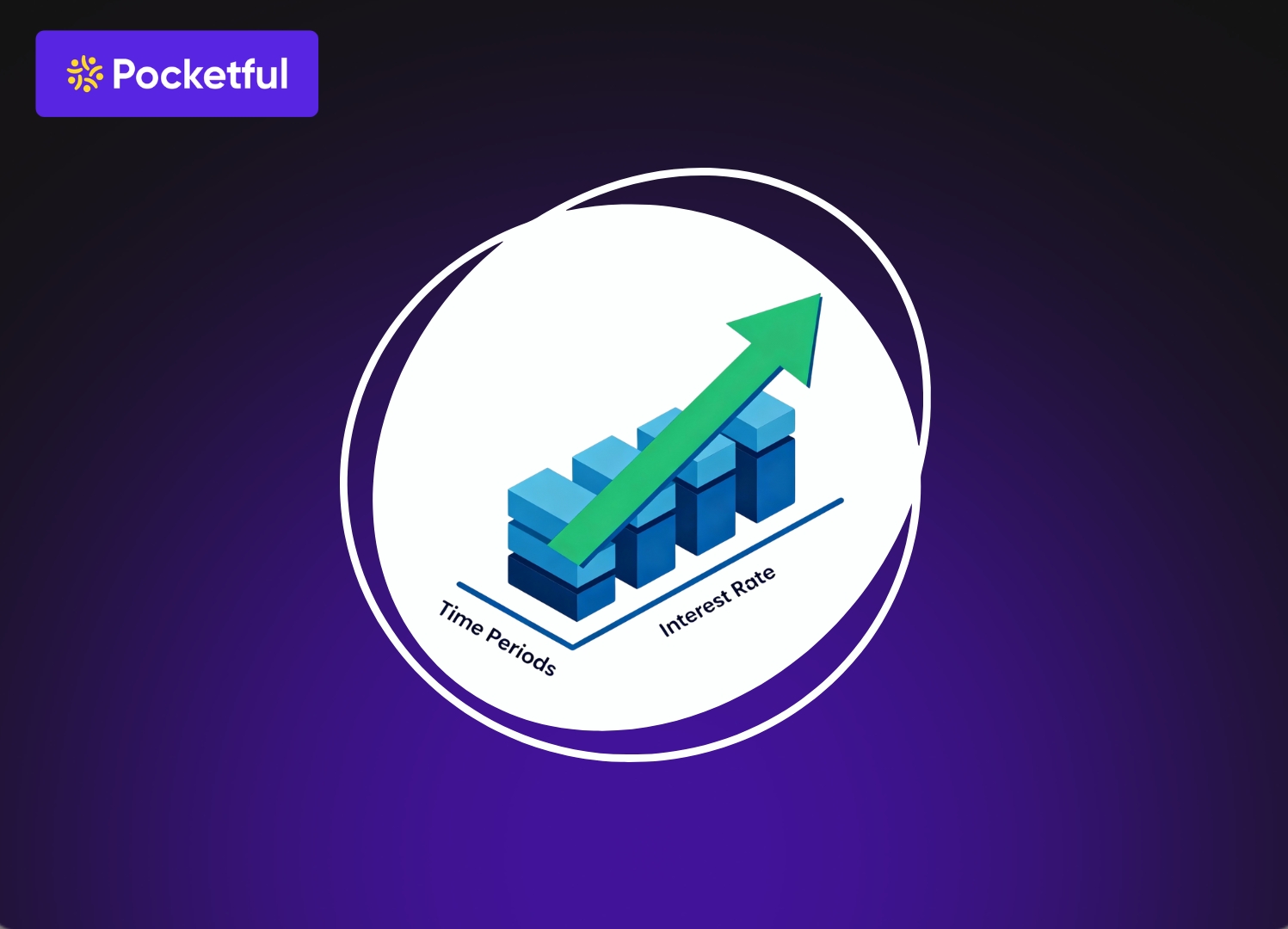
    A Step Up Bond is a type of bond that starts by paying a lower interest rate, but this rate increases at fixed, pre-planned times during the bond’s life. These bonds start with a lower interest rate and after a set period the interest rate automatically rises and you start to get a higher interest rate on the same invested amount.

    This increase in the interest rate is pre-defined by the bond issuing entity on the day of bond issuance. The company or government issuing the bond will clearly state how often the interest rate will increase, by what percentage it will increase and a pre-decided date of rate increase. 

    Investors like this as the income from a step-up bond is predictable. The main reason these bonds exist is to offer some protection to investors in a world where interest rates can change. If your funds are locked into a regular bond with a 7% interest rate and new bonds are suddenly being offered at 8%, you might feel like you are missing out. A step-up bond tries to solve this problem by building those future rate hikes right into its structure in the beginning itself.

    Read Also: Detailed Guide on Bond Investing

    How do Step-Up Bond work?

    Let’s look at some numbers and understand how it works. 

    Suppose you invest Rs.10,000 in a 5 year step-up bond from a company called ‘Pocketful India Ltd.’. The bond’s terms are:

    • For the first 2 years, there would be a fixed interest rate of 6% per year.
    • For the next 3 years, the interest rate will “step up” to 8% per year.
    YearYour Investment (Principal)Coupon Rate for the YearAnnual Interest You Earn
    1Rs.10,0006.0%Rs.600
    2Rs.10,0006.0%Rs.600
    3Rs.10,0008.0% (Step-up)Rs.800
    4Rs.10,0008.0%Rs.800
    5Rs.10,0008.0%Rs.800
    End of Year 5You get back your initial investment of Rs.10,000.

    Features of Step-Up Bonds

    • Scheduled Increased Interests: This is the main feature of these bonds, where the interest rate increases at a pre-decided time interval, like every year or after a few years.
    • Fixed Maturity Date: The bond has a clear end date. This is the date when the issuer is supposed to return your principal amount.
    • Issuer Types: In India, step-up bonds can be issued by various entities, which includes government-backed institutions like HUDCO (Housing and Urban Development Corporation) and NHAI (National Highways Authority of India), as well as private companies like Shriram Finance or L&T Finance.
    • The Callable Feature: This means the issuer has the right to end the bond early and can return your principal before the maturity date. In this you get your money back, but you lose the opportunity to earn the higher interest rates you were waiting for.

    Read Also: What are Bond Valuation?

    Benefits of Investing in Step-Up Bond

    • Growing Income Stream: Investors earn through the increasing interest over time. This can be helpful for long-term financial planning and tackling inflation.
    • Increasing Interest: If you believe interest rates in the economy are going to rise in the future, a step-up bond can be a good way to make sure your invested income will also rise with time. 
    • Calculable Returns: Even though the investment increases, it grows on a fixed schedule and investors know exactly what to expect and at what time.
    • Portfolio Diversification: Adding step-up bonds to your investment is a good way to diversify your fixed-income portfolio beyond regular FDs and traditional bonds.

    Key Factors to Look For

    • Call Risk : Call means the bond could be called back early before the expiry date. This means you might not get the desired interest rates that attracted you in the first place.
    • Low Initial Returns: To get the promise of higher rates later, you have to accept a lower interest rate at the beginning. This might be lower than what a regular fixed deposit or a traditional bond offers at that time.
    • Market Risk: If you need to sell your bond on the stock market before it matures, its price can be lower than what you paid. 

    Taxation in India

    Like most investments, the earnings from step-up bonds are taxed. The interest you earn from the bond each year is added to your total income and taxed according to your income tax slab. 

    The bond issuer will usually deduct 10% tax on the interest before paying it to you. You can claim this back or adjust it when you file your income tax return. Also additionally there will be a Capital Gains Tax, this applies only if you sell the bond on the stock exchange before its maturity date. If you hold the bond for more than 12 months, any profit is a Long-Term Capital Gain (LTCG) and is taxed at 10% (without indexation). If you sell within 12 months, the profit is a Short-Term Capital Gain (STCG) and is added to your income.

    Read Also: Benefits of Investing in Bonds

    Conclusion

    Step-up bonds are a unique financial tool that offer an interesting solution for investors who want the safety of a bond but are worried about rising interest rates. These bonds provide a clear, scheduled path to a growing income. However, there is also a possibility of call risk where your predicted future income can be hampered.

    By opting a step-up bond is a strategic decision based on your future needs. If you plan to earn slow rising interest rates with time then step-up bonds are best suitable for you. Make an informed choice keeping your future expectations in mind. 

    S.NO.Check Out These Interesting Posts You Might Enjoy!
    1What are War Bonds?
    2What is Sovereign Gold Bonds?
    3What is Coupon Bond?
    4What is Insurance Bond?
    5What are Social Bonds?
    6Straight Bond: Key Features, Benefits & Risks
    7What Is a Callable Bond?
    8Government Bonds India
    9Types of Bonds in India
    10Tax-Free Bonds
    11What are Bond Yields?
    12Stocks vs Bonds
    13What is Indemnity Bond?
    14Secured and Unsecured Bonds
    15CAT Bonds: An Easy Explainer
    16What Are Corporate Bonds?
    17What are Contingent Convertible(CoCo Bonds)?

    Frequently Asked Questions (FAQs)

    1. Biggest risk of a step-up bond? 

      The biggest risk is the “call feature,”where the issuer can return your money before maturity, potentially causing you to miss out on the promised higher interest rates in the future.

    2. Which is a better investment option, step-up bonds or fixed-rate bonds? 

      Step-up bonds are potentially better if you expect interest rates to rise periodically, while fixed-rate bonds are better if you expect rates to fall or stay stable. It totally depends upon your future goals.

    3. Can initial investment be fully lost in a step-up bond?

      Investors generally get the full invested amount back, if the bond is held till maturity, unless the issuer defaults (fails to pay), which is a risk with any bond. If you sell the bond before maturity, you are expected to get a lower price than what you have initially paid..

    4. Who can issue step-up bonds in India? 

      They can be issued by both government-related entities (like HUDCO, NHAI) and private sector companies (like Shriram Finance, L&T Finance, and other NBFCs) to raise money from the public.


  • Best Material Stocks in India

    Best Material Stocks in India

    Whenever you look around India, one thing is clear construction is taking place everywhere. New roads are being built, flyovers, and new housing projects. This is why the materials sector (materials sector stocks) is in the news these days.Building material stocks like steel, cement, pipes, tiles, and adhesives are no longer just part of construction, but have become the engines of the country’s growth. In this blog, we’ll discuss the best material stocks in India for 2025 which could create significant opportunities for investors in the future.

    What Are Material Stocks?

    Material stocks are shares of companies that produce materials used in basic construction and manufacturing, such as steel, cement, glass, pipes, tiles, and adhesives. These companies transform raw materials into solid forms for further use in infrastructure, housing, manufacturing, and industry. Simply put: when a new house is built, a road is constructed, or a factory is opened, companies in this sector must procure the materials. For this reason, building material stocks and the broader materials sector remain important investment options.

    Best Material Stocks in India (2026)

    S. NO.CompanyCurrent Market Price (INR)Market Capitalisation (in INR crore)52-Week High52-Week Low
    1UltraTech Cement Ltd₹ 12,664₹ 3,73,182 ₹ 13,102 ₹ 10,048
    2JSW Steel Ltd₹ 1,197₹ 2,92,635 ₹ 1,224 ₹ 904
    3Tata Steel Ltd₹ 190₹ 2,36,875₹ 192 ₹ 124
    4Grasim Industries Ltd₹ 2,812₹ 1,91,363 ₹ 2,979 ₹ 2,301
    5Vedanta Ltd₹ 698₹ 2,73,141 ₹ 706 ₹ 362
    6Ambuja Cements Ltd₹ 530₹ 1,30,883 ₹ 625 ₹ 455
    7Shree Cement Ltd₹ 27,445₹ 99,024 ₹ 32,508 ₹ 25,070
    8Jindal Stainless Ltd₹ 774₹ 63,839 ₹ 884 ₹ 497
    9Berger Paints India Ltd₹ 495₹ 57,715 ₹ 605₹ 458
    10UPL Ltd₹ 719₹ 60,697 ₹ 812 ₹ 536
    (Data as of 27th January 2026)

    Read Also: Best Manufacturing Stocks in India

    A brief overview of the Best Material Stocks  in India is given below:

    1. UltraTech Cement Ltd

    UltraTech Cement‘s story is deeply intertwined with India’s construction sector. Founded in 1983, the company is today considered one of the country’s most trusted cement brands. Headquartered in Mumbai, UltraTech is part of the Aditya Birla Group and has a presence in almost every state. The company has established itself not just as a cement manufacturer, but as a symbol of quality and durability. UltraTech’s contribution is visible across India’s major infrastructure projects whether highways or housing construction. Gradually, the name has become synonymous with the country’s strength and growth.

    Know the Returns: 

    1Y Return (%)3Y Return (%)5Y Return (%)
    12.08%87.44%135.54%
    (Data as of 27th January 2026)

    2. JSW Steel Ltd

    JSW Steel is one of the companies in India’s steel industry that has given a new direction to the country’s industrial identity. Established in 1982, the company has today become synonymous with modern steel production. As part of the Mumbai-based JSW Group, it has carved a niche for itself by combining technology, quality, and innovation. The company’s plants are spread across India and it is considered the backbone of the construction, automobile, and infrastructure sectors. The hallmark of JSW Steel is its visionary approach – its ability to turn every change into an opportunity. This is why this name has become the pride of Indian steel today.

    Know the Returns: 

    1Y Return (%)3Y Return (%)5Y Return (%)
    32.79%64.94%214.50%
    (Data as of 27th January 2026)

    3. Tata Steel Ltd

    When we talk about India’s industrial history, Tata Steel’s name comes first. Its foundation was laid by Jamsetji Tata in 1907, when the steel industry did not exist in the country. Its first plant in Jamshedpur showed India the path to self-reliance. This Tata Group company has always identified itself with trust, integrity, and quality. For years, it has not only manufactured steel but also promoted the “Tata values” that are the backbone of India’s industry. Today, Tata Steel is not just a company, but has become a story of the nation’s growth and trust.

    Know the Returns: 

    1Y Return (%)3Y Return (%)5Y Return (%)
    47.05%55.64%191.47%
    (Data as of 27th January 2026)

    4. Grasim Industries Ltd

    Grasim Industries is the flagship company of the Aditya Birla Group, one of India’s oldest and most prestigious industrial conglomerates. It was established in 1947, when the country was just beginning its industrial journey after independence. The company initially began its foray into textiles, but gradually expanded into sectors such as cement, chemicals, and fibers. Today, Grasim is recognized as a company that has mastered the art of blending tradition and modernity. Over the years, it has been a reliable contributor not only to the industry but also to the country’s economic progress.

    Know the Returns: 

    1Y Return (%)3Y Return (%)5Y Return (%)
    13.97%77.72%166.25%
    (Data as of 27th January 2026)

    5. Vedanta Ltd

    Vedanta Ltd is one of the few Indian companies that has shaped the country’s natural resources sector. Founded in 1976 and headquartered in Mumbai, Vedanta began as a small mining firm, but today it is active in various sectors, including oil, gas, metals, zinc, aluminum, and power. Vedanta has established itself as an organization that believes in responsible resource use and technological innovation. It has not only increased energy supply for India’s industrial development but also created employment and development opportunities in local communities. This is why Vedanta is considered a vital part of India’s progress.

    Know the Returns: 

    1Y Return (%)3Y Return (%)5Y Return (%)
    58.50%112.42%322.45%
    (Data as of 27th January 2026)

    6. Ambuja Cements Ltd

    The story of Ambuja Cements began in 1983, when the construction sector in India was slowly growing. The beginnings were small, but the ambitions were big to produce superior cement and lay a foundation of trust. Within a few years, Ambuja earned the trust of the people through its work. Today, the name is not just a company, but an identity that is associated with the strength of every building. Headquartered in Mumbai, it has a presence across the country. Ambuja’s greatest strength has been its quality-first approach and its commitment to maintaining balance with the environment.

    Know the Returns: 

    1Y Return (%)3Y Return (%)5Y Return (%)
    -3.58%15.60%106.58%
    (Data as of 27th January 2026)

    7. Shree Cement Ltd

    Shree Cement was founded in Rajasthan in 1979, when the cement industry in India was not yet fully organized. Initially, it was a small company, but its honest work ethic and dedication to quality gradually gained recognition across the country. Today, Shree Cement is among the few companies that have built their reputation without much fanfare. The company’s focus on superior technology and energy efficiency has always set it apart from others. With its “low cost, high productivity” model, Shree Cement has now become a strong foundation of India’s cement industry, a foundation upon which the nation relies.

    Know the Returns: 

    1Y Return (%)3Y Return (%)5Y Return (%)
    7.44%23.26%17.94%
    (Data as of 27th January 2026)

    8. Jindal Stainless Ltd

    Jindal Stainless Ltd was founded in 1970, when the use of stainless steel in India was very limited. At that time, the company reshaped the industry and gradually established itself not only domestically but also globally. Originating in Hisar, Haryana, the company has now become the largest manufacturer in India’s stainless steel sector. Jindal Stainless is characterized by its reliance on innovation and a strict quality approach. The company produces high-grade stainless steel used in automobiles, railways, construction, and household appliances. With its extensive experience and innovative thinking, Jindal Stainless has become a vital part of India’s industrial development story.

    Know the Returns: 

    1Y Return (%)3Y Return (%)5Y Return (%)
    24.07%202.61%873.90%
    (Data as of 27th January 2026)

    9. Berger Paints India Ltd

    Berger Paints India Ltd was founded in 1923, when the paint industry in India was still in its infancy. At that time, it was a small company, but gradually gained recognition across the country for its innovation and quality of colors. Headquartered in Kolkata, Berger Paints is today considered one of India’s most trusted paint companies. The company’s focus has always been on providing customers with superior and sustainable solutions whether it’s interior paint or industrial coatings. Over its 100-year journey, Berger has proven that color can transform not just walls, but people’s lives.

    Know the Returns: 

    1Y Return (%)3Y Return (%)5Y Return (%)
    3.53%7.91%-20.72%
    (Data as of 27th January 2026)

    10. UPL Ltd

    UPL Ltd, formerly known as United Phosphorus Limited, was founded in 1969. At that time, India’s agricultural products and pesticide production was limited, but UPL pioneered a new approach. Based in Mumbai, the company is today one of the world’s leading providers of agri-chemicals and sustainable farming solutions. UPL’s mission has always been to provide farmers with technologies and products that protect crops and increase yields. With its innovation, environmentally friendly approach, and global presence, UPL Ltd is no longer just a company, but a powerful story of India’s agricultural revolution.

    Know the Returns: 

    1Y Return (%)3Y Return (%)5Y Return (%)
    30.85%1.30%27.80%
    (Data as of 27th January 2026)

    Read Also: Best Textile Stocks in India

    Key Performance Indicators (KPIs)

    The key performance metrics of the Best Material Stocks in India are mentioned below:

    CompanyOperating Margin (%)Net Profit Margin (%)ROE (%)ROCE (%)P/E (x)
    UltraTech Cement Ltd12.227.968.549.1656.06
    JSW Steel Ltd8.462.254.447.9374.04
    Tata Steel Ltd7.511.363.758.4956.29
    Grasim Industries Ltd15.675.023.805.8646.99
    Vedanta Ltd22.8213.4236.3626.9211.89
    Ambuja Cements Ltd17.5314.687.799.1631.67
    Shree Cement Ltd7.865.825.216.6798.02
    Jindal Stainless Ltd10.176.4615.0117.4619.12
    Berger Paints India Ltd13.839.9419.1823.6449.38
    UPL Ltd11.442.773.078.9764.59
    (Data as of March 2025)

    Why Material Stocks Are Important for Investors in 2026? 

    In India, it’s not just long-term investment that matters, but timely investment – and the materials sector is making significant strides in that direction. For example, Budget 2025-26 targets infrastructure investment at ₹11.21 lakh crore (US$128.6 billion), representing approximately 3.1% of the economy. This investment isn’t limited to roads and bridges, but extends to new housing projects, smart cities, logistics, solar, and metro networks. Consequently, companies manufacturing material stocks such as steel, cement, and adhesives and pipes are likely to benefit directly. Furthermore, input costs in this sector are improving, with manufacturing units adopting more integrated and low-cost models, resulting in a better return-on-investment profile.

    Risks & Challenges in Material Stocks

    1. Fluctuations in Raw Material Prices : Material companies’ earnings are directly dependent on the prices of coal, petcoke, iron ore, and electricity. When these costs rise, profit margins immediately come under pressure. Therefore, it is important to constantly monitor input costs.
    2. Risk of Demand Volatility : This sector is linked to infrastructure and real estate. If government spending decreases or construction projects are delayed, sales may decline, impacting companies’ growth.
    3. Increasing Competition and Overcapacity : Many new players have entered the market in the past few years. This has increased price pressure, and some companies have over-expanded production capacity, which could reduce profits.
    4. Impact of Government Policies and Tax Changes : Changes to tax structures or carbon regulations by the government can increase costs. For example, the new carbon tax impacts the operating costs of cement and metal companies.
    5. Energy Costs and Environmental Regulations : This sector is highly dependent on electricity and fuel. Increased energy prices or environmental compliance costs can increase production costs. Companies are now forced to invest in green energy and waste heat recovery.
    6. Impact of Global Markets and Currency Rates : Many Indian material companies export, so their earnings can fluctuate due to changes in international demand or the dollar-rupee exchange rate. Steel and aluminum companies are particularly vulnerable to this risk.
    7. Capital Costs and Interest Rates : This is a capital-intensive sector, requiring significant investment. If interest rates rise or funding becomes expensive, both project costs and debt increase, which can reduce net profits.

    Read Also: Best Silver Stocks in India

    What to Consider Before Choosing Material Stocks

    1. Analyze the company’s financial position : Before selecting any material stock, review its balance sheet. Low debt, consistent profits, and a good ROCE (Return on Capital Employed) indicate long-term sustainability of the company.
    2. Understand raw material costs and sourcing : The earnings of steel, cement, or pipe companies depend on their input costs. Companies with their own mineral sources or long-term supply contracts are better at controlling costs.
    3. Monitor sector demand and economic cycles : It is important to understand future demand in the sector the company operates in. Government infrastructure plans and real estate growth are the biggest drivers for this sector.
    4. Trust the credibility and experience of management : The transparency and decision-making of the company’s leadership are crucial. Good management keeps debt under control and maintains growth trajectory even during difficult times.
    5. Prioritize Sustainability and Energy Efficiency : Investors are now choosing companies that are adopting green energy and carbon reduction technologies. This not only reduces costs but also mitigates future regulatory risks.
    6. Pay Attention to Dividend and Return Policy : Companies that pay regular dividends or conduct share buybacks are generally financially strong. This provides investors with reliable cash flow.
    7. Balance Risk with Diversification : Avoid investing all your money in a single sector. Maintaining a balanced portfolio across sectors such as cement, steel, pipes, and adhesives provides lower risk and greater stability.

    Conclusion 

    India’s materials sector has become the true foundation of the country’s progress. Whether it’s steel, cement, or building materials companies, each brand is shaping India’s growth story in its own right. Growing demand for infrastructure and housing will further strengthen these companies in the coming years. It’s time for a savvy investor to understand this sector deeply and trust the right companies because these are the industries that will shape the future of India.

    S.NO.Check Out These Interesting Posts You Might Enjoy!
    110 Most Undervalued Stocks in India
    2List of Best Monopoly Stocks in India
    3Top 10 Best Summer Stocks in India
    4List of Top 10 Blue Chip Stocks in India with Price
    5List Of Best Logistics Stocks in India
    6Best Copper Stocks in India
    7Best Jewelry Stocks in India
    8Best Metal Stocks in India
    9Best Semiconductor Stocks in India
    10Best Chemical Stocks in India
    11Best Plastic Stocks in India
    12Best Waste Management Stocks in India
    13Best Fertilizer Stocks in India
    14Best Pharma Stocks in India 
    15Best Air Purifier Stocks in India

    Frequently Asked Questions (FAQs)

    1. What are material stocks?

      Companies that produce raw materials used in construction.

    2. Which are the top material stocks in India for 2025?

      UltraTech, JSW Steel, Tata Steel, Shree Cement, and Berger Paints.

    3. Are material stocks good for long-term investment?

      Yes, these are considered stable investments for the long term.

    4. What should investors check before investing?

      Look at the company’s reputation, costs, and management.

    5. Do material stocks face risks during a slowdown?

      Yes, profits may decline if demand decreases.

    Selection Methodology and Important Disclaimer

    The stocks included in this list are selected primarily on the basis of their market capitalisation, which represents the total market value of a company’s outstanding shares. The companies are arranged in descending order of market capitalisation, with larger companies appearing first, followed by relatively smaller companies. This methodology is intended to provide a structured approach for identifying companies based on their market size and overall presence within a sector.

    However, market capitalisation should not be considered the sole factor while evaluating investment opportunities, as it does not guarantee future performance, profitability, or returns. Investors should also assess other important factors such as financial health, business fundamentals, management quality, valuation metrics, industry outlook, and market conditions before making investment decisions.

    The information provided is for educational and informational purposes only and should not be construed as investment advice, recommendation, solicitation, or an offer to buy or sell any securities by Pocketful Fintech Capital Private Limited.
  • Best Free Stock Portfolio Tracker in India

    Best Free Stock Portfolio Tracker in India

    There are multiple financial investments that you make as an investor, like stocks, mutual funds and some Fixed deposits in the bank. To keep a track of all these investments you have to use multiple platforms and different apps to look how your investments are doing which can sometimes be complicated or confusing for you to track your investments. 

    This is where the role of portfolio tracker comes in, it is a simple tool that puts all your investments in one place and tracks the price movements. With the right free investment tracking app in India, you can see your entire portfolio on a single screen, track price movements, monitor returns, and review allocation. It’s like having a report card for your money, so you always know where you stand.

    What is a Portfolio Tracker? 

    It’s a simple app or website that consolidates all your investments in one place and gives you a clear picture of their performance—showing your portfolio’s total value and whether you are making a profit or a loss. The tracker works in two ways, first is the Manual Entry where every time you purchase or sell something you need to open the app and mention your buy and sell manually. Second is where this happens automatically where if you buy or sell something it automatically gets registered to your tracker. For this you need to link your broker account with the tracker app for shares and commodities but for mutual funds there is a special report called a Consolidated Account Statement (CAS). It’s like a single passbook for all your mutual funds, no matter where you bought them. You can let the tracker app read this report, and it will add all your funds to your screen automatically. This is a very useful feature, especially now that many people buy mutual funds from different apps to save money.  

    Read Also: 10 Best Stock Market Simulators for Beginners – Platforms and Apps

    Best Free Stock Portfolio Tracker in India

    1. INDmoney

    INDmoney is a wholesome app that lets users track almost everything at one place. In this app you can look at your Indian stocks, US stocks, mutual funds, EPF, NPS, and even your credit card bills. This app gives you a single number for all your total investments (total net worth).   

    One of its most popular features is making it easy to invest in US stocks like Apple or Google, even with as little as $1.The app is also very helpful during tax season, as it can give you a consolidated tax report for your investments. It is one of the features that helps users in managing their financial life and making more informed decisions.   

    2. ET Money

    ET Money is a fantastic choice if you are serious about your mutual fund investments. It has a special feature called the “Portfolio Health Check” where you can upload your mutual fund portfolio, and the app gives you a detailed report card for your investments. It also tells you how much money you have pooled in one industry and if your funds are at any risk, or if they are not performing well compared to others.   

    While it is great for mutual funds, it also helps you track other things like NPS and Fixed Deposits. ET Money has a paid service known as “Genius” that lets you use advanced tech to give you personalized investment advice based on one’s risk and preference.   

    3. Value Research

    Value Research is one of the oldest names in the investment world and even trusted by so many users. Value Research’s portfolio tracker is suitable for investors who like to get the deep details and analysis of the desired stocks. The app has simple navigating functions and provides detailed high quality analysis of your stocks and mutual funds.  

    The platform also provides investment advice which helps you to decide whether to buy, hold, or sell a particular stock or fund. The platform also gives you detailed tax statements that can directly be filed. If you like data and are comfortable with technical analysis then this is a perfect research app for you.   

    4. MProfit

    MProfit is a platform specially for investors that have different demat accounts with multiple brokers. The platform has the ability to automatically import your investment data from multiple brokers making it easy for you to analyse everything at one place, this automation helps in saving time and effort to enter everything manually, the app automatically fetches data for your broker and provides the analytics.   

    MProfit can keep a track of multiple types of investments like stocks, mutual funds, F&O, and even PMS and AIFs. MProfit is also a favorite among Chartered Accountants because it generates capital gains reports in the exact format required for filing income tax returns. The platform’s customer support is even excellent and its collective management of multiple accounts is praised by the users.   

    5. Tickertape

    Tickertape acts as a smart toolkit for the new age users as it can connect with most of the stockbroking platforms like Zerodha, Angel One, and Upstox, making it simpler for you to see all your stock holdings in one dashboard. Its unique analysis tools makes this platform special for the users as it has a “Diversification Score” that tells you if your portfolio is well-balanced or too concentrated in one area.   

    It also has a “Redflags” feature that warns you about potential risks attached to your stocks in your portfolio, such as companies with high promoter debt. Beyond tracking, it has a powerful stock screener with over multiple filters that helps users to find out new hot investment options.   

    6. Pocketful

    Pocketful is a new age platform designed for both active traders and long-term investors. It lets you track a wide range of investments, including stocks, ETFs, bonds, and even Futures & Options (F&O). For tax purposes, there are different reports that you can go through, as it gives you separate Profit & Loss reports for stocks, F&O, and commodities, making tax filing much simpler.   

    What’s really exciting about Pocketful is its focus on technology. It is soon launching a “Portfolio Analyzer” that will use AI to give you a detailed health report of your portfolio based on multiple different factors. For traders, it offers powerful tools like unlimited trading plans, extra payout, MTF at lowest rates, advanced order types, and free algo trading APIs

    7. Groww

    Groww came into the Indian market as a simple investing platform for mutual funds and has gradually become one of the most popular investment apps in India, which offer stock investment as well. The platform has an in-built tracker that analyzes everything in the app itself so that you can get everything in one place. Groww has a clean, simple, and user-friendly design, which makes investing hassle free and not confusing, especially for beginners.   

    In this app you can import all your external mutual funds investments and then analyse them and similarly by using CAS option all your fund data gets to your Groww dashboard, giving you a complete picture in one place. It also provides the necessary Profit & Loss reports you need for tax filing.   

    8. Kuvera

    Kuvera is a platform that not only focuses on your individual investments but investments of your families as well, as it gives you a feature called the “Family Account” that helps in managing investments of your spouse, children and parents all from one single place. This feature helps in overlooking the entire family’s financial health.   

    The app has some interesting features like goal based investing where you can set up your future goal like “child’s marriage” or “buying a house” and link your investments to them, which helps you stay on track. Kuvera also offers smart tools like “Tax Harvesting,” which helps you save on long-term capital gains tax, and “TradeSmart,” which helps you switch from regular to direct mutual funds efficiently.   

    9. Zerodha Coin

    Coin is the mutual fund investment platform from Zerodha, India’s largest stockbroker. It is famous for making mutual fund investing incredibly simple and completely free of commissions. Since it offers only direct mutual funds, you can earn up to 1.5% extra returns every year compared to regular funds.   

    The app has a very clean user interface and there are no ads, no distracting notifications, just a straightforward platform to buy, sell, and track your mutual funds. You do need a Zerodha demat account to use it, but it allows you to hold both your stocks and mutual funds in one place. It also provides all the tax reports you need from its main ‘Console’ dashboard.   

    10. Scripbox

    Scripbox is designed for people who find investing confusing and want a helping hand. Its main goal is to help investors or beginners with how to invest and where to invest their money. Scripbox gives its users a tailored list of recommended funds based on smart data based funds that have potential to grow.   

    This approach is often described by users as “low effort and high reward” because it makes it very easy to start investing in a disciplined way. The platform is also great for goal-based investing, with specific plans for long-term wealth building, tax saving, and even creating an emergency fund.

    Read Also: Best Trading Apps in India

    Key Indicators of Best Free Stock Portfolio Tracker in India

    CompanyAssets CoveredAuto-SyncKey AnalyticsTax ReportingPlatformsBest For
    INDmoneyStocks,MFs,US Stocks,EPF,etcBroker Sync,Email ReadNet Worth, Global TrackingYes (P&L statement)iOS, Android,WebAll-in-one financial view
    ET MoneyMFs, Stocks, NPS, FDsMF Central (CAS)Portfolio Health ScorePremium FeatureiOS, AndroidMutual fund investors
    Value ResearchStocks, MFs, NPS, PPF, Bonds, etc.MF Central (CAS)VR’s Analysis, Quality ScoreYes (Detailed Tax Report)iOS, Android,WebIn-depth portfolio analysis
    MProfitStocks, MFs, F&O, Bonds, PMS, etc.Broker Import (700+), CASXIRR, Asset AllocationYes (ITR Format)iOS, Android, Web, DesktopMulti-broker, serious investors
    TickertapeStocks, MFs, ETFs, GoldBroker Sync (Multiple)Diversification Score, RedflagsBasiciOS, Android,WebInvestors using multiple brokers
    PocketfulStocks, ETFs, F&O, Bonds, SGBsBrokerage AccountYes (Tax P&L Desk)iOS, Android, WebTraders and tech-savvy investors
    GrowwStocks, MFs, GoldMF Central (CAS)Basic P&L, XIRRYes (P&L Statement)iOS, Android, WebGroww ecosyst
    KuveraStocks, MFs, US Stocks, FDsBroker Sync, CASGoal Planning, XIRRYes (Capital Gains Report)iOS, Android, WebGoal-based & family investing
    Zerodha CoinMFs, NPSN/A (Direct Platform)XIRR, Portfolio AnalyticsYes (Comprehensive)iOS, Android, WebZerodha users & DIY MF investors
    ScripboxMutual FundsN/A (Direct Platform)Curated RecommendationsYesiOS, Android, WebBeginners wanting guidance

    Key Factors You Need To Look for in a Free Stock Portfolio Tracker

    • Tracks Everything: A good portfolio tracker app should track stocks, mutual funds, ETFs, Fixed Deposits (FDs), bonds, gold and more. The more it can track, the better you can see your full financial investment analysis.   
    • Connects Automatically: A good tracking app should connect with your broker accounts or use your CAS report easily. This saves you from the manual task of mentioning everything by yourself in the tracking apps.   
    • Report Card: The app should tell you the data and numbers along with what they mean. Look for a feature called XIRR, where you can get to know your real profit per year from your investments. Also, look for charts that show you how your money is split between different investments.   
    • Taxation: A good tracker can create a Capital Gains report for you. This report shows the profit you made from stocks and mutual funds, which you need for your tax filing.   
    • Simple to Use: The app options shall be easy to navigate without reading a big instruction book. It’s great if it has both a mobile app (to check on the go) and a website (to see more details).   
    • Money Safety: You are trusting the app with your financial details. Make sure it uses strong, bank-level security and if it is registered with SEBI or not.   

    Read Also: Highest Rated Trading Apps in India

    Conclusion

    As an investor you need to figure out what you need or which features are mostly liked for your hassle free trading. If you are a beginner and mostly invest in mutual funds, an app like ET Money or Groww is a good place to start. If you have accounts with many different stockbrokers, a powerful app like MProfit or Tickertape will be very helpful. And if you are a trader or an investor who is excited about new technology like AI, then Pocketful is a reliable and affordable platform. 

    S.NO.Check Out These Interesting Posts You Might Enjoy!
    1Best Fundamental Analysis App in India
    210 Best Paper Trading Apps in India
    3Top 10 AI Tools for Stock Market Analysis
    4Best SIP Apps in India for Investment
    5Best Apps & Tools for Option Chain Analysis in India
    6Best Share Market Learning Apps in India
    7Best Apps for IPO Investment in India
    8Best Online Commodity Trading Platforms in India
    9Best UPI Apps in India
    10Best Algo Trading Platform in India
    1110 Free Apps for Stock Investments in India
    12Top AI Trading Apps in India
    13The 10 Best Stock Market News Apps in India
    14Best Lowest Latency Broker in India
    15Best Fast Order Execution Broker Platforms in India
    16Best Brokers Offering Free Trading APIs in India

    Frequently Asked Questions (FAQs)

    1. Are these portfolio trackers free for users? 

      Yes, the main features of all these apps are free. Some of them may have a paid version for special features, but you can track all your investments without paying anything.

    2. Is it safe to connect my bank or broker account? 

      Good apps use very strong security, just like banks, to keep your information safe. They usually only have “read-only” access. This means they can see your investments, but they cannot buy or sell anything or move your money. 

    3. What is a CAS, and why do apps ask for it? 

      CAS means Consolidated Account Statement which is a single monthly report of all your mutual fund investments. Apps use this report to automatically add all your mutual funds to your dashboard.  

    4. Can these apps help with taxes? 

      Yes, many of these apps like MProfit, Value Research, INDmoney, and Pocketful can give you a Capital Gains report. This report has all the profit and loss details you need to fill out your tax forms, making a difficult job much easier.   

    5. Do I have to stop using my broker’s app (like Zerodha or Angel One)?

      A portfolio tracker is a separate tool that just sits on top and gives you a combined view of all your investments in one place.

  • Difference Between FERA and FEMA

    Difference Between FERA and FEMA

    India’s economy has come a long way. Not too long ago, every penny we earned or spent abroad was tightly monitored. Foreign exchange was scarce, and the government wanted to make sure not a single rupee went to waste. That is where FERA (Foreign Exchange Regulation Act, 1973) came into existence, a law that controlled all dealings with foreign currency.

    Fast forward to the 1990s – India opened up to the world, invited foreign investments, and embraced globalisation. Suddenly, FERA felt outdated and restrictive. So, in 1999, it was replaced with FEMA (Foreign Exchange Management Act), an updated version,  a law that was much more flexible and friendly to businesses.

    In this blog, let us break down what FERA and FEMA are, how they differ, and why this change was so important.

    What is FERA 

    The Foreign Exchange Regulation Act (FERA) was passed in 1973, during a time when India was struggling with low foreign exchange reserves. The main idea was to control every bit of foreign currency coming in and going out of the country.

    Here is what made FERA excel,

    • It was very strict; almost every transaction involving foreign exchange needed approval from the RBI.
    • Breaking the rules was considered a criminal offence, which meant you could even end up in jail.
    • It applied not only to Indians but also to foreign companies doing business here.

    In short, FERA worked for a while when India was cautious and inward-looking. But once globalisation began, it started feeling like a barrier rather than a safety net.

    What is FEMA 

    By the late 1990s, things had changed. India had stronger forex reserves, was trading actively with other countries, and needed foreign investment to grow. That is when FEMA (Foreign Exchange Management Act, 1999) came into the picture.

    FEMA’s approach was completely different:

    • Instead of control, the focus shifted to management.
    • Violations were treated as civil offences, meaning fines, and not imprisonment
    • Rules became more business and investor-friendly.
    • The RBI still kept an eye on forex dealings, but the overall framework was much more relaxed and simple.

    Read Also: Difference Between Trading and Investing

    Table of Difference of FERA and FEMA

    BasisFERA (1973)FEMA (1999)
    When it was introducedCame into force in 1973, at a time when India had very little foreign exchange and followed a closed economy.Introduced in 1999, after India opened its economy in the 1990s and started inviting global trade and investment.
    PurposeTo save every bit of foreign exchange and control how it was used.To make foreign exchange dealings smoother and encourage trade, payments, and investment.
    FeaturesVery strict and control-heavy. Almost everything needed RBI’s prior approval.Flexible and management-oriented. RBI still regulates, but the rules are much easier.
    PunishmentBreaking the law could land you in jail.Violations usually lead to fines instead of jail.
    Role of RBIRBI was involved in nearly every transaction, which made the process slow and rigid.RBI still plays a key role but gives businesses and individuals much more freedom.
    Foreign investmentHighly restrictive. Global companies found it difficult to enter India because of too many rules.Investor-friendly. FEMA made it easier for foreign businesses and funds to invest in India.
    Imports and exportsTight restrictions on trade to prevent forex outflow.Much more supportive of international trade and globalization.
    TypeDefensive and restrictiveLiberal and growth-oriented

    Why was FERA Replaced with FEMA

    India did not just wake up one day and scrap FERA. There were strong reasons for the change,

    1. 1991 Reforms – After liberalisation, India could not grow with outdated, restrictive laws like FERA that limited trade deals.
    2. Foreign Investment Needs – Investors found FERA intimidating. FEMA created a friendlier environment.
    3. Global Alignment – India wanted to align with global trade practices and WTO rules.
    4. Evolving Forex – By the late 90s, India had better reserves, and the economy’s focus shifted from conserving to managin

    In short, FERA belonged to a time when trades were scarce and limited in India, while FEMA belongs to a time of opportunity.

    Read Also: Difference Between Options and Futures

    Importance of FERA and FEMA

    FEMA is more than just a replacement law; it is the backbone of how India handles foreign exchange today. Let us examine the importance of the act.

    1. Encourages Investment – FEMA makes it easier for foreign companies and investors to bring money into India.
    2. Smoothens Global Trade – Importers and exporters benefit from clear and simpler rules.
    3. Supports Ease of Doing Business – Startups and businesses dealing internationally do not have to jump through endless hoops.
    4. Keeps a Check on Misuse – FEMA also ensures foreign exchange isn’t used for shady activities like money laundering.
    5. RBI’s Flexible Role – The RBI can update rules as per economic needs, making the law adaptable.

    In today’s interconnected world, FEMA keeps India both open and secure.

    Read Also: Difference between Margin Trading and Leverage Trading

    Conclusion 

    The shift from FERA to FEMA marks a big turning point in India’s economic story. FERA was created when the government kept a strong grip on foreign exchange. It made sense back then, but as India opened up to the world, those restrictions started holding us back.

    FEMA, on the other hand, reflects a more confident and global India. Instead of controlling every transaction, it focuses on managing them efficiently and welcomes foreign trade & investment, from all around the world, while still keeping enough checks to ensure fairness and security.

    S.NO.Check Out These Interesting Posts You Might Enjoy!
    1Difference Between Trading and Profit & Loss Account
    2Market Order Vs Limit Order: What’s the Difference?
    3Difference Between Forward and Future Contracts Explained
    4Difference Between Mutual Funds and Direct Investing
    5Difference Between Credit and Debt
    6Difference Between IPO and FPO
    7Pledging Shares vs Pay Later (MTF): Key Differences
    8Differences Between MTF and Loan Against Shares
    9Difference Between Demat Account and Trading Account
    10Gold ETF vs Gold Mutual Fund: Differences and Similarities

    Frequently Asked Questions (FAQs)

    1. Why was FEMA introduced? 

      FEMA was introduced to replace the outdated FERA and create a law that supported globalisation. 

    2. Is FEMA still active?

      Yes, FEMA is the current law that governs foreign exchange in India. 

    3. Who regulates FEMA? 

      RBI (The Reserve Bank of India) regulates FEMA under the supervision of the Central Government.

    4. How does FEMA help businesses? 

      It makes trade, investment, and global deals easier and smoother, while still keeping the checks needed in place. 

    5. What was the main drawback of the FERA? 

      FERA was very strict and considered even minor violations as criminal offences, which scared the foreign investors.

  • Difference Between Bonds and Debentures

    Difference Between Bonds and Debentures

    The stock market is usually the first thing that comes to mind when you think about investing. But let’s just be honest: not everyone prefers that much risk. Some people want safety and prefer steady returns. Bonds and debentures come into the picture at this point.

    At first, they might seem the same because both of them involve borrowing money and paying interest. But if you look more closely, you will be able to see some major differences. You can choose the investment option that works best for you if you know how they work and what makes them different.

    In this blog, we will discuss the basic difference between bonds and debentures to make your financial journey even easier. 

    What are Bonds?

    A bond is a fixed-income financial instrument that represents a loan made by an investor to a borrower, typically a government, municipality, or corporation. The bond issuer agrees to pay back the principal amount on a specific maturity date, along with periodic interest payments (called coupon payments).

    In simple terms, when a government or company needs funds, instead of taking a loan from a bank, they borrow money directly from the public through bonds. When you purchase a bond, you are essentially lending your money to the issuer. In return, they make two commitments:

    • They will pay you interest regularly, which is like a fee for using your money.
    • When the bond’s time period ends or it matures, they will give you back the initially invested money.

    Features 

    • Safe and steady – People think bonds are safer than stocks because the government backs them.
    • Fixed income – You already know how much interest you are going to receive and when you will get it.
    • Time-bound – Bonds have a specific date when they will mature, so your money will not remain stuck there forever.
    • Good for Conservative Investors – Bonds are a good choice for conservative investors who are unwilling to take high risk.

    Read Also: Benefits of Investing in Bonds

    What are Debentures?

    A debenture is a type of debt instrument issued by a company to raise capital from the public. It acknowledges a loan taken from investors, with a promise to pay fixed interest at regular intervals and return the principal amount on maturity.

    Think about a business that needs money to grow. It can ask people like you and me to lend money instead of getting a loan from the bank. That is where debentures come in. When you buy a debenture, you are giving the company your money. The company will pay you regular interest in return and then give your money back after a specified amount of time.

    Most debentures are not backed by real assets, which is different from bonds. You trust the company’s reputation and ability to pay. However, there are secured debentures, but they are rare.

    Features 

    • Unsecured – Debentures usually do not include assets as security. You are taking on more risk if the company shuts down.
    • Issued by Companies – Companies issue debentures, but governments issue bonds.
    • Fixed interest – You will get interest, which will usually be higher than the interest on bonds.
    • Convertible or Non-Convertible – Some debentures can be turned into equity shares of the company later, while others just pay you back.

    Table of Difference 

    BasisBondsDebentures
    DefinitionThink of bonds as you lending money to the government or a company, and they promise to pay you back with interest payments.Debentures are also you lending money, but here you are trusting the company’s reputation and ability to pay.
    Who issues themGovernments and companies both issue bonds.Usually, companies issue debentures.
    SecurityOften backed by assets or the government.Usually not backed by assets, just the company’s reputation.
    RiskSafer, less risky.Riskier than bonds.
    ReturnsSteady, predictable income.Higher interest than bonds (to make up for the extra risk).
    TenureRanges between 2 years to 40 years; usually around 20 yearsRanges from 90 days to 20 years; with most issues under 10 years
    Conversion to EquityMost bonds are non-convertible.Debenture can be convertible or non convertible.
    Best forPeople who want safety and peace of mind with a fixed income.Investors are willing to take a bit more risk for the chance of better returns.

    Which one should you choose? 

    The choice ultimately depends on the type of investor you are. Bonds are most suitable for individuals seeking a steady income with minimal volatility. They offer a high degree of security, as they are generally backed by the government or secured by tangible assets, allowing investors greater peace of mind.

    Debentures might be a better fit for you if you are willing to take a little more risk for the opportunity of better returns. You are trusting the company to pay you back, which is riskier but usually pays off more.

    You do not always have to pick one over the other. A lot of investors keep both bonds and debentures. They use bonds for stability and debentures for higher returns.

    Read Also: Types of Bonds in India

    Conclusion 

    In the end, bonds and debentures are not competitors; they are just different types of investments. Bonds are the safe and reliable type. They give you steady returns, minimal stress, and peace of mind. Debentures, on the other hand, are more fascinating because they come with more risk but also have the potential for bigger rewards.

    So, which one should you choose? It entirely depends on what kind of investor you are. Bonds will be good if you want stability. Debentures can offer attractive return opportunities for investors who are prepared to accept a higher degree of risk. It is advised to consult a financial advisor before investing in bonds or debentures. 

    S.NO.Check Out These Interesting Posts You Might Enjoy!
    1Non-Convertible Debenture (NCD) vs Fixed Deposit (FD)
    2What is Non Convertible Debentures?
    3What are Bond Valuation?
    4Secured and Unsecured Bonds: Understand the Difference
    5What is Insurance Bond?
    6Government Bonds
    7What is Sovereign Gold Bonds?
    8What are Social Bonds?
    9What are Contingent Convertible(CoCo Bonds)?
    10What Are Corporate Bonds?
    11What are Bond Yields?
    12What is Indemnity Bond?
    13Sovereign Gold Bonds vs. Gold ETF: Which is a Better Investment?
    14Best Safe Investments with High Returns in India
    15What is Nominal Yield?
    16What Is Foreign Currency Convertible Bonds (FCCB)?
    17Straight Bond: Key Features, Benefits & Risks
    18Tax-Free Bonds: Their Features, Benefits, and How to Invest
    19What Is a Callable Bond?
    20What are War Bonds?

    Frequently Asked Questions (FAQs)

    1. Who issues bonds? 

      Both the government and companies issue bonds. 

    2. Who issues debentures?

      Mainly, companies issue debentures to raise money.

    3. Are bonds safer than debentures? 

      Yes, bonds are generally considered safer than debentures, as they are often backed by the government or secured against specific assets, which provides investors with greater protection. 

    4. Do bonds pay fixed interest?

      Yes, many bonds pay fixed interest. 

    5. Can I lose money in debentures? 

      Yes, if the company that issued them defaults, since debentures are usually unsecured. 

  • Top Cash-Rich Companies in India

    Top Cash-Rich Companies in India

    Everyone looks for stable investment companies, as they tend to outperform the market during economic crises. One of such companies includes cash-rich companies.

    In today’s blog post, we will give you an overview of the cash-rich companies along with the benefits of investing in them.

    Meaning of Cash Rich Companies 

    Cash-rich companies are those that generally have higher cash reserves than other companies. These companies have a strong balance sheet and have a higher potential to outperform the economic downturns of the market. These companies have an adequate amount of cash to meet their daily operations, as well as long-term funding.

    Top Cash Rich Stocks to Buy in India

    1. State Bank of India
    2. HDFC Bank Limited
    3. ICICI Bank Limited
    4. Reliance Industries Limited
    5. Union Bank of India Limited
    6. Canara Bank Limited
    7. Punjab National Bank Limited
    8. Life Insurance Corporation of India Limited
    9. Axis Bank Limited
    10. Bank of Baroda Limited
    CompanyCurrent Market Price (in INR)Market Capitalisation (in INR crore)52-Week High (in INR)52-Week Low (in INR)
    State Bank of India Limited8647,97,618884680
    HDFC Bank Limited96514,82,6581019812
    ICICI Bank Limited13729,80,11615001186
    Reliance Industries Ltd136918,52,18915511115
    Union Bank of India Limited1391,05,916159101
    Canara Bank Limited1241,12,25812978
    Punjab National Bank Limited1131,29,35311885
    Life Insurance Corporation of India Limited9045,71,8431008715
    Axis Bank Limited11603,59,7661247934
    Bank of Baroda Limited2601,34,249272191
    (As of 1st Oct 2025)

    Read Also: Top 10 Most Expensive Stocks in India

    Overview of Cash Rich Companies Stocks to Buy in India 2026

    The overview of the top cash-rich stocks to buy in India is as follows:

    1. The State Bank of India Limited

    The State Bank of India Limited first joint-stock bank in British India, the Bank of Calcutta, was founded in 1806, marking the beginning of the SBI. The Imperial Bank of India was nationalised and renamed the State Bank of India by the Indian government in 1955. Later, SBI purchased various commercial and state-affiliated banks.SBI currently has a robust distribution network with 65,627 ATMs and 22,405 branches. Its headquarters are situated in Mumbai.

    2. HDFC Bank Limited

    In 1994, HDFC Bank was founded. In January 1995, it obtained a banking licence from the Reserve Bank of India. The bank launched its Initial Public Offering (IPO) in March 1995 and went public on the National Stock Exchange and the Bombay Stock Exchange. HDFC Bank and Times Bank merged in 1999. To expand its branch network and customer base, HDFC Bank acquired Centurion Bank of Punjab. The headquarters of HDFC Bank is located in Mumbai.

    3. ICICI Bank Limited

    ICICI Bank stands for Industrial Credit and Investment Corporation of India. It is the second-largest private bank in India. The World Bank and the Indian government established ICICI in 1955. Apart from Japanese banks, ICICI was the first Asian bank and Indian company to list on the New York Stock Exchange (NYSE). Its headquarters are situated in Mumbai.

    4.Reliance Industries Limited

    Reliance Industries Limited company was founded in 1966 by Mr Dhirubhai Ambani, and in 1977, it launched an initial public offering (IPO). Later in 1980, it began expanding its business operations in the petrochemical sector. After his death, Dhirubhai Ambani’s two sons, Anil and Mukesh Ambani, divided the company. Under Mukesh Ambani’s leadership, the company expands into various sectors, including communications and retail, and achieves new heights. The company’s headquarters is situated in Mumbai.

    5.Union Bank of India Limited

    Mahatma Gandhi inaugurated the Union Bank of India, which was established in 1919 by an Indian businessman and holds historical significance. In 1969, the bank and numerous other prominent Indian banks were nationalised.  The government’s efforts to consolidate the Indian banking industry resulted in the Union Bank’s 2020 merger with Corporation Bank and Andhra Bank. In addition to its many offices in other countries, such as Hong Kong, Sydney, and Dubai, the bank has more than 9500 branches across India. Its headquarters are situated in Kolkata.

    6. Canara Bank Limited

    The renowned philanthropist Ammembai Subba Rao Pai founded Canara Bank in 1906 under the name of Canara Hindu Permanent Fund.  In 1910, it changed its name to Canara Bank. In 1969, the bank was nationalised by the Indian government. The bank came up with an IPO in 2017 and got itself listed on the Indian Stock Exchange. Its headquarters are situated in Bengaluru.

    7. Punjab National Bank Limited

    Punjab National Bank Limited was established in Lahore, Pakistan, in 1894 by Indian freedom fighter leader Lala Lajpat Rai. It is regarded as the nation’s first bank and was founded in Lahore, Pakistan. The bank shifted its headquarters to New Delhi after its independence. This and 13 other banks were nationalised later in 1969. It purchased Nedungadi Bank in 2003 and merged with United Bank of India and Oriental Bank of Commerce in 2020.

    8. Life Insurance Corporation of India Limited

    LIC was established in 1956 through a special Act known as the Life Insurance Corporation Act 1956. In 1960, the company established its first foreign branch in the UK. In 2001, the company got itself registered under IRDAI. The company’s headquarters is situated in Mumbai.

    9. Axis Bank Limited

    Axis Bank was first founded as UTI Bank through a partnership between the Government of India, the Life Insurance Corporation of India, and other companies. Shikha Sharma was named MD and CEO of UTI Bank, which was renamed the bank to “Axis Bank” by the middle of 2007. The headquarters of Axis Bank is situated in Mumbai.

    10 .Bank of Baroda Limited

    Bank of Baroda Limited was started in 1908 by the king of Baroda, Maharaja Sayajirao Gaekwad. He started the bank in order to assist the local economy’s growth. In 1969, the Indian government took over the bank and nationalised it. After merging with Dena Bank and Vijaya Bank in 2019, Bank of Baroda became the third-largest public sector bank in India. Its headquarters are situated in Baroda.

    Read Also: Best Consumption Stocks in India

    Key Performance Indicators (KPIs)

    The key performance indicators of top cash-rich companies are as follows:

    CompanyROE (%)ROCE (%)Operating Profit Margin (%)Net Profit Margin (%)Cash and Reserve (in INR crore)
    State Bank of India Limited16.871.9121.8016.09262965
    HDFC Bank Limited13.562.6225.5821.83132227
    ICICI Bank Limited16.453.1326.4729.20113747
    Reliance Industries Limited8.258.7013.508.37106502
    Union Bank of India Limited16.652.1430.2416.5287764
    Canara Bank Limited17.721.9224.7714.2586867
    Punjab National Bank Limited13.881.4929.1814.0671420
    Life Insurance Corporation of India Limited38.150.976.135.4269885
    Axis Bank Limited14.982.8433.1122.0765564
    Bank of Baroda Limited14.142.1227.4115.9953800
    (As of 31st March 2025)

    Benefits of Investing in Cash Rich Stocks

    The key benefits of investing in cash-rich stocks are as follows:

    1. Strong Financials: Companies with larger cash reserves can bear the economic downturns. The risk related to bankruptcy can be reduced to a certain extent.
    2. Regular Dividends: Generally, companies distribute their surplus cash reserves in the form of dividends to their shareholders. It can be a regular source of income for such passive investors.
    3. Lower Debt: Companies having higher cash reserves generally have lower debt. Because of this, they have strong balance sheets. 

    Read Also:Top Biotech Companies Stocks in India

    Factors to consider before investing in Cash Rich Stocks

    There are various factors which one should consider before investing in cash-rich stocks, a few of which are as follows:

    1. Utilisation of Cash Reserves: The companies can utilise the cash reserve in many forms, such as paying debts, growth, etc. Therefore, one must consider the objective of utilising the company’s cash reserve.
    2. Sectoral Outlook: The sector in which the company belongs needs to be taken into account before choosing a cash-rich stock. Industries with higher growth potential can be considered as an investment option.
    3. Other Valuations: Along with the cash reserves of the companies, other valuation metrics also need to be considered before investing in cash-rich companies.

    Read Also: Best Plastic Stocks in India

    Conclusion

    On a concluding note, investors looking for stable companies and consistent profit can consider investing in cash-rich companies. Such companies generally have a strong financial balance sheet which provides them a financial cushion to bear any economic downturns. However, a cash reserve alone cannot be the only factor to invest in such companies; there are certain other factors, such as P/E Ratio, P/B Ratio, etc. It is advisable to consider your risk profile and consult your investment advisor before making any investment decision.

    S.NO.Check Out These Interesting Posts You Might Enjoy!
    1Best Specialty Chemicals Stocks in India
    2List of Aviation Stocks in India
    3Top Hospital Stocks to Buy in India
    4Best Shipping Stocks in India
    5List Of Best Textile Stocks in India
    6Best Healthcare Stocks in India
    7List of Best Cement Stocks in India
    810 Best Agro Chemicals Sector Stocks
    9List of Best Railway Stocks in India
    10List Of Best PSU Stocks in India
    11Best Multibagger PSU Stocks in India
    12Best Pharma Stocks in India
    13Top Nuclear Energy Stocks in India
    14Best Bike Stocks in India
    15Best Diamond Stocks in India
    16Best ESG Stocks in India
    17Best Aquaculture Stocks in India
    18List of Quick Commerce Stocks
    19Best Cloud Computing Stocks in India
    20Best Data Center Stocks in India

    Frequently Asked Questions (FAQs)

    1. Are cash-rich stocks a safer investment option?

      Cash-rich companies are not completely risk-free, but they are typically safer than companies which have lower cash reserves. Investors should take into account the company’s valuation, industry outlook, efficiency of management, and cash usage plans.

    2. Which sector generally has the highest cash-rich companies?

      Sectors like IT, PSUs, FMCG, etc., generally have cash-rich companies. Their profit margins are comparatively higher than others, and they have consistent revenues.

    3. How to identify the cash-rich stocks?

      One should check the balance sheet of the companies and check their reserve and surplus section, where you will find the available cash balance.

    4. Can cash-rich companies survive any economic downturns?

      Yes, cash-rich companies have a higher potential to survive the economic downturns than other companies.

    5. Do cash-rich companies regularly declare dividends?

      Yes, cash-rich companies generally declare regular dividends.

  • Bulk Deal vs Block Deal: Key Differences

    Bulk Deal vs Block Deal: Key Differences

    We generally witness that investors generally buy or sell shares in the stock market. But have you ever thought how big traders like mutual funds or large financial institutions trade in massive quantities worth crores. This does not happen using simple traders like a general investor; rather they use two special methods known as Bulk Deals and Block Deals. Bulk deals are generally a large quantity buying and selling of shares during the market hours which can even affect the stock price to move up or down. However Block Deals are pre-arranged private trades between two parties, this also avoids price fluctuations in the market. In this blog we will understand the key differences between bulk deal and block deals, as well as what are Bulk deals and what are Block deals.  

    Overview of Bulk Deals

    Bulk deals are those deals where the total shares bought or sold by the trader is more than 0.5% of the total company shares. This is exactly a normal trade of the market that takes place on the regular trading platforms during the market hours (09:15 Am to 03:30 Pm) at the market rate of the share at that time in the market. As the shares are bought in bulk the broker reports it to the stock exchange after market closure, this information is then made public for everyone by the broker, this data is published by NSE and BSE which tells the general public who bought the shares? Or sold the shares and At what price? 

    Bulk deals can lead to fluctuations in the stock prices, a large buy order can cause the price to go up and a large sell order can pull down the price of the share.  

    Overview of Block Deals

    Block trades are generally bigger than the bulk trades which are done strategically. To qualify for a Block Deals, a single transaction must involve at least shares worth Rs.10cr or 5,00,000 shares. This minimum limit was earlier Rs.5 cr but in 2017 it was updated by SEBI with at least a minimum transaction limit of Rs.10 cr. 

    Block deals do not take place during regular market trading hours, they are done in a separate private window, usually before the market opens (08:45 Am to 09:00 Am). The price is decided between the buyer and the seller beforehand. However, to prevent manipulation, this price must be within plus or minus 1% of the recent share prices in the market. Block Deals are executed in one go if the buyer opts to buy 5,00,000 shares then it must be done fully and if not executed within 90 seconds the order gets cancelled. 

    Read Also: Differences Between MTF and Loan Against Shares

    Block Deals Vs Bulk Deals 

    FeatureBulk DealBlock Deal
    DefinitionA trade of more than 0.5% of a company’s total shares.A single trade of at least 5 lakh shares OR above Rs.10 crore in value.
    Trading TimeNormal market hours (09:15 Am to 03:30 PM).Special, short windows before market hours (08:45 Am to 09:00 Am).
    Execution PlatformRegular trading platforms.A separate private window for trading.
    Price DeterminationThe live market price at the time of the trade.A pre-agreed price within a + or – 1% range of the market price.
    Market VisibilityVisible to everyone on the live order book.Not visible to the market in real-time.
    Disclosure to PublicDone on the same day after market closure.Done on the same day after market closure.
    Primary PurposeFlexibility, reacting to news, portfolio adjustments.Strategic moves, large entry/exit with minimal price impact.
    Immediate Price ImpactHigh potential to cause price swings.Minimal, as the trade is done privately.
    Participant AccessMostly institutions, but technically open to anyone meeting the 0.5% threshold.Exclusively for large institutions and promoters; inaccessible to retail investors

    Advantages of Bulk Trading

    1. Trade Anytime: Traders can flexibly trade during the market hours and can easily react to news or changing market conditions.
    2. Signals Optimism: As all these deals are publicly done, they can signal confidence in the invested share and vice versa in case of selling of stocks. Knowing that a well-known fund has bought a large stake in a company, tells the market they’re optimistic, resulting in attracting more investors.
    3. Efficient: Executing a large trade in one go can be more efficient and potentially cheaper as you pay charges on the one time buy and sell of share to your broker compared to multiple fees for multiple trades.

    Read Also: ETF vs Index Fund: Key Differences You Must Know

    Advantages of Block trading 

    1. Avoid Market Fluctuations: As this trade takes place privately which does not affect the market prices directly, keeping the situation stable for everyone.
    2. Guaranteed Execution: The price and quantity are pre decided and locked by both the parties, which minimizes the sudden risk of price movements during the trades.
    3. Lowkey Trading: As deals are done during a private window and it is not visible  during live market hours, it allows institutions to buy or sell large stakes without tipping off other traders and affecting the price.

    Conclusion 

    For you as a retail investor, the difference between bulk and block deals is more than just a technical detail. It’s a peek into the minds of the market’s biggest players. This concept gives you an insight about how the price movements take place in the financial market, thus enhancing your understanding of the institution sentiment and helps in making informed decisions. 

    S.NO.Check Out These Interesting Posts You Might Enjoy!
    1Difference between Margin Trading and Leverage Trading
    2Difference Between Trading and Investing
    3Value Investing Vs Intraday Trading: Which Is More Profitable?
    4Mutual Funds vs Direct Investing: Differences, Pros, Cons, and Suitability
    5Swing Trading vs Day Trading: Which Strategy Is Right For You?
    6Difference Between Intraday Trading and Delivery Trading

    Frequently Asked Questions (FAQs)

    1. How can Bulk deals and block deals be differentiated? 

      One can easily differentiate from the execution time as bulk deals take place during market hours and block deals are done privately. 

    2. Can I invest in these deals? 

      Individual traders generally cannot take part in these deals, though you can participate in the bulk deal if your trade is over 0.5% of the total company shares. 

    3. Can information related to these deals be accessed? 

      Yes, you can easily find the information related to these deals on NSE and BSE websites as they publish daily reports on all Bulk and Block Deals. 

    4. Can I invest looking at the reports of these deals? 

      Although these deals give investors a strong positive sign but this should not be the sole criteria, one should do their own research before putting their valuable funds. 

    5. Why do we need two different systems for large trades? 

      Two different systems are created because they have two different needs, where Bulk deals are for investors looking for flexibility and block deals are for those investors who are certain about their trades.

  • What are Angel Investors? 

    What are Angel Investors? 

    What if you have a solid business plan where you have done your research, made your strategies and the roadmap of the whole business but as soon as it comes to the investment you do not have enough capital. You plan to take money from the bank but as soon as you reach there you find out that bank requires financial documents of your business, profit records and other documents which you don’t have yet. You turn towards your family and friends for financial help but they only have a limited amount for help that does not justify your business expenses. How can you get these required funds for your business? 

    Here comes the Angel Investor, someone who can look at your business model and help you with the strategy and finances. Want to get a more clearer picture regarding Angel investors or how angel investors works, in this blog we will look about What are Angel Investors, its definition, characteristics and advantages. 

    What are Angel Investors?

    So, what is an angel investor? In a very simple term Angel investors are generally wealthy people who invest their own funds into a brand new business or company looking at your idea and its practicality and in return they take a small share of the company also known as Equity. The money put into your business is not a loan that needs to be repaid along with the interest.  An angel investor after getting the enquiry becomes a partner in the company and only gets money if there is an overall growth in the company and it starts to earn profits. 

    Angel Investors are generally different from Venture capitalists, though they both invest in new companies angle investors generally use their own funds making decisions faster due to personal decisions on the other hand Venture capitalists manage a large pool of money from different people, usually delaying the process and decision making in the company.  

    What are the Characteristics of Angel Investors?

    • Angel Investors are mostly successful entrepreneurs themselves, they have experience of building the companies from scratch and later on selling them. Some of the angel investors are top-level executives from big corporations. For example: Kunal Shah founder of Cred and Anupam Mittal founder of shaadi.com are some of the famous angel investors in India. 
    • Angel Investors not only provide funds to new companies or startups but with them comes experience, wisdom, and market contacts to these new ventures. Angel investors can help new companies with smart guidance, steps to avoid common mistakes and introduction to market communities helping new startups get buyers and investors, this is why money taken from angel investors is called Smart Money.   
    • Angel investors are not afraid of risk as they know most companies start and fail, but for them putting money into a risky venture is better because with high risk comes high profits and they believe in the founder’s confidence and vision.   
    • For some angel investors money is not the real game if some startups solve core problems of the society or startups have passion for building new things angel investors join this approach to help the next generation startups evolve.  

    Read Also: Types of Investment in the Stock Market

    How Does Angel Investing Work? 

    New startups’ first step is to look for investors, this can take place from platforms like Indian Angel Network, LetsVenture, or AngelList India or startup events. Once a startup founder connects with the investors they are required to pitch their idea. In “Pitch” founders present their business idea, team, how they’ll be solving the problem and most importantly how to make money out of it. If your pitch is accepted, investors will do their homework known as due diligence. In this they will figure out the business model, financial forecast and your valuable team. If everything goes positive the investor will offer a “term sheet”, which is a basic terms of investment like how much money will be invested by the investor and how much equity will they take. Once both the parties agree to the terms and conditions, the legal team will draft the final papers and once it is finalised and signed the money is transferred to your company’s account, and the partnership officially begins.   

    The Accreditation of Angel Investors as per SEBI

    In India, Securities and exchange board of India (SEBI) takes the monitoring charge of these investments. To make these investments safer and organised SEBI has set some rules and created Accredited Investors.  

    Accredited Investors get an official tag of Accredited Investors and they need to meet certain financial criteria that is an annual income of at least Rs.2 crore or at least net worth of at least Rs.7.5 crore, with half of it in financial assets.   

    Let’s look at some new key changes in the rules set by SEBI:

    FeatureOld RuleNew Rule
    Who can invest?Individuals with a self-declared net worth of Rs.2 Crore.Officially verified “Accredited Investors” (AIs) only.
    Investment AmountMin Rs.25 Lakh & Max Rs.10 Crore per startup.Min Rs.10 Lakh & Max Rs.25 Crore per startup.
    Per Startup InvestmentA fund could invest a maximum of 25% of its money in one startup.No limit. A fund can now invest as much as it wants in a single promising startup.
    Lock-in PeriodInvestment was locked for 1-3 years.Reduced to as low as 1 year for some investments.

    Advantages and Disadvantages of Angel Investing

    Advantages of Angel Investing 

    1. Angel investors provide the initial crucial funding to new companies and startups along with their valuable guidance. 
    2. The money funded is their own money, leading to quick decision making for your business.   
    3. Angel Investors help in getting into new business communities, other investors, customers and potential employees for your startup.    

    Disadvantages for Angel Investing 

    1. For getting funds you need to give the investor some share or equity of your company, if the startup becomes a huge success , this piece could be worth a fortune.   
    2. Investors say in every big decision of your business, if the goals do not align this could be challenging for both.  
    3. Not choosing the right investor who has the right experience of your business or industry can be fatal for your business.   

    Read Also: The Art of Value Investing: Meaning and Strategies

    Conclusion

    Angel investors are the chance takers on one’s passion and dream, providing them the initial investment to new startups. For an entrepreneur they can be a game changing partner with their advice, experience and money. 

    But it comes with ownership and control of your business and with new SEBI rules investing is now more structured along with opportunities and challenges. 

    Angel investment is a partnership, where a founder and an investor share the same passion and trust, to build something incredible together.

    S.NO.Check Out These Interesting Posts You Might Enjoy!
    15 Top Artificial Intelligence Penny Stocks in India
    2Scope of AI in Investing: Usage, Benefits, and Challenges
    3Best Artificial Intelligence (AI) Stocks In India
    4Best Safe Investments with High Returns in India
    5How to Invest in ETFs in India – A Beginner’s Guide
    6The Art of Value Investing: Meaning and Strategies
    7ETF vs Stock – Which One is the Better Investment Option?
    8How to Invest in ETFs in India – A Beginner’s Guide
    9Best ETFs in India to Invest
    10Top 10 Reasons to Invest in Gold

    Frequently Asked Questions (FAQs)

    1. At what stage of start up one shall look for an investor? 

      The best time to look for an investor is at the very beginning, often known as the “seed” or “pre-seed” stage, a stage where your business is just an idea.   

    2. How much money can I get from an angel investor?

      A standard investment amount by an angel is usually between Rs.10 Lakhs to Rs.2 crores. 

    3. Do I have to return the money or pay any interest? 

      The amount invested by the angel is not a loan, it is an investment so you don’t need to pay any interest or money back to the investor, the investor gets ownership (equity) in your company.   

    4. Where can I find angel investors in India? 

      You can look for angel investors on AngelList India, LetsVenture, and via various startup communities like Indian Angel Network (IAN), some startup events can also be beneficial.   

    5. After pitch selection can I say no to an angel investor? 

      Yes you can if you feel the investor is not the right fit for your company or industry. 

  • Top Quick Commerce Companies in India

    Top Quick Commerce Companies in India

    The world is a changing place and with the evolution of technology not only information is available in minutes but these days getting your house needs can be fulfilled within minutes let’s say if you run out of milk while making tea, you can order a fresh packet of milk at your door even before the water even boils, this is the magic of quick commerce.

    Earlier delivery was done the companies but it used to take time of minimum 3-4 days to deliver you the desired goods but with the introduction of super-fast delivery companies have entered into the domain of Quick commerce and a whole new industry of commerce companies in India has emerged, built on the promise to deliver in minutes resulting in changing habits due to these quick commerce platforms. The world of quick commerce in India is growing rapidly with the inclusion of new age startups and their services.

    So, in this blog we will learn about what these quick commerce companies are? And who are the biggest players in quick commerce in India? 

    What are Quick Commerce Companies? 

    Think of quick commerce, or q-commerce, as the advanced level of e-commerce, where the focus is on delivering a small number of items like groceries or daily essentials in an extremely short time, often in just 10-20 minutes. 

    These quick commerce companies function in such an exceptional way due to “dark stores” which helps in achieving the timely delivery of the products. Imagine Dark Stores as a small supermarket or mini warehouses near your home, wherever customers place their order they get them placed in these dark stores from where the items are delivered directly to the customers. This entire system is “hyperlocal” meaning it operates in a very small area of just a few kilometers, which is the key to their 10-minute promise.

    Read Also: List of Quick Commerce Company Stocks

    Top 10 Quick Commerce Companies in India

    1. Reliance Retail (JioMart)

    It was launched by Reliance Retail in December 2019 by the retail arm of Reliance Industries. It started with connecting with the local Kirana stores with the customers for home delivery of groceries using the Jio digital network. In 2024 Jio entered the quick commerce sector by launching “JioMart Express” services which were designed to deliver within 30 minutes. With its partnership with Meta, customers could directly order on Whatsapp. Reliance’s goal is to use its capital and network physical stores like Reliance Fresh and Smart Bazaar, and create an integrated ecosystem for millions of Jio users.

    2. Tata Group (BigBasket & BBNow)

    It was the first to enter the online grocery market and was founded back in 2011. A strong business was created by BigBasket with its main focus on quality of the product and delivering “Farm to Fork” to its customers. In 2021, the Tata Group acquired a majority stake in BigBasket, making it a central part of its “Tata Neu” super app. BigBasket launched its quick commerce service, BBNow that delivers groceries within 10 to 20 minutes only. The company is also focusing on opening physical stores called ‘Fresho’.The goal is to combine BigBasket’s grocery expertise with the trust and reach of the Tata brand, with plans for an IPO by 2025.

    3. Zomato (Blinkit)

    This platform was earlier started as Grofers in 2013, founded by Albinder Dhindsa and Saurabh Kumar. But with passing time it was rebranded as Blinkit where the main focus was to make Blinkit a 10-minute delivery app. Later Zomato acquired Blinkit in 2022 after this acquisition there has been an exponential growth in the business of Blinkit, in financial terms the total order value is now bigger than Zomato’s food delivery business, this has resulted in transforming Zomato from just a food delivery app to a full fledged quick commerce giant.

    4. Swiggy (Instamart)

    It started in 2014 as a food delivery app and quickly gained popularity, looking at the changing market scenario of the quick groceries delivery companies, Swiggy launched Instamart in August 2020 using its large fleet of delivery partners to begin its operations. Swiggy and Zomato’s blinkit are a direct competitor of each other leading to high spending and significant financial losses, even though Instamart’s sales have grown rapidly. The company is now focusing on improving its financial health and expanding its product range. For instance, it has partnered with companies like Asus to deliver laptops in minutes. Swiggy’s main goal is to reduce its cash burn and use its popular “Swiggy One” subscription to build a loyal customer base across both food and groceries.

    5. Zepto

    Zepto was started in the year 2020 by two 19-year-old Stanford dropouts Aadit Palicha and Kaivalya Vohra. Their goal for Zepto revolved around delivering groceries in 10 min. This bold move shook the entire industry and forced competitors to speed up in the quick commerce industry. Zepto became India’s first unicorn (a startup valued over $1 billion) in 2023 and is now valued at around $5 billion. While it is not yet listed on the stock market, it is preparing for a future IPO. Zepto’s goal is to continue expanding its network of dark stores, add new product categories, and work towards becoming profitable.

    6. Flipkart (Flipkart Minutes)

    It is among one of India’s largest e-commerce companies, which is backed by the global giant Walmart. Flipkart launched its quick commerce service in the name of Flipkart Minutes to compete in the existing market. Flipkart’s biggest advantage is its massive existing customer base and its powerful logistics network, Ekart. The company aims to leverage these strengths to capture a significant share of the quick commerce market. It is also introducing new advertising tools for brands on its platform to create new revenue streams.

    7. Dunzo

    It was the real pioneer in the hyperlocal delivery space in India. Founded in 2014, it started as a simple WhatsApp-based service that would deliver almost anything a customer wanted. Unfortunately, Dunzo’s story is now a cautionary tale. The company is facing a severe financial crisis due to high costs and an inability to raise more money. Its major investor, Reliance, has written down its investment to zero, which is a huge blow. Dunzo’s future is very uncertain, and it highlights just how difficult and expensive the quick commerce business is.

    8. Nykaa (Nykaa Now)

    It is India’s top online destination for beauty and fashion products. It made a strategic entry into quick commerce in late 2024 with a service called Nykaa Now. Nykaa Now promises to deliver beauty and personal care products in 30 to 120 minutes in major cities. This helps in differentiating its product and protecting its business from other quick commerce apps that might start selling popular cosmetics. It also offers a new level of convenience to its loyal customers who might need a product urgently for an event.

    9. Myntra (M-Now)

    It is owned by Flipkart and is one of India’s leading online fashion stores. It started its quick commerce segment in late 2024 promising a 30 minute delivery service. M-Now has kept its focus on delivering clothes, accessories, and beauty products of premium brands within half an hour in mainly Tier-1 cities. This service is designed for quick fashion needs or some last minute product requirements, like urgent need of a new shirt for a party or a quick gifting item. It has come up as a new segment of quick commerce where customers can get ultra fast deliveries of high value items like clothes or accessories and not just the grocery items. 

    10. The Enablers (Delhivery)

    It has a different motive altogether, Delhivery is one of the largest logistic companies in India, instead of selling products to the customer it sells “Quick commerce” as a service to different quick commerce companies and helping them with Rapid Commerce platform, promising delivery in 2-hour, also sets up partnered dark stores and manages all the deliveries. This allows brands to automate the management and offer their customers fast deliveries without even spending too much on the infrastructure. Other logistics companies like Shadowfax and Porter also play a similar enabling role. This is a new segment that is emerging under the umbrella of Quick Ecommerce Companies representing the emerging need of quick deliveries. 

    Read Also: Top 10 Food Delivery Stocks in India

    Benefits of selling Products via Quick Commerce 

    1. Growing Sales

    Quick commerce is rapidly due to change in consumer behaviour as now the customer wants to get things quickly. With instant deliveries companies not only attract more new customers but also make the current users buy even more, as with more convenience consumers generally tend to buy more. 

    2. Increased Customer Base

    With customers getting orders within minutes is not just a service but an experience for them, as they get the required product instantly, it is like providing the right thing to the customer exactly when they need it. These things make a one time buyer into a potential loyal customer. 

    3. Competitive Quick Deliveries

    In today’s market the speed gives the best advantage, as it could be the most relied on service for a last minute part or a busy household that requires groceries quickly. It helps the customers get products instantly and gives the company the advantage to sell more. 

    4. Expanding Availability & Customer

    Quick commerce companies are rapidly expanding their operations in Tier 2 and Tier 3 cities, which is helping in expanding their ecosystem and getting them new customers from different regions and who knows it might grow into a pan India service.

    5. Dark Stores

    This business model works on the dark store concept where companies rent low costing godowns and turn them into a storage unit where from electronics to groceries and even clothing can be stored, reducing the overall cost of logistics and storage. 

    Key Factors to be known about Quick Commerce Companies

    • Profitability: These companies sell millions of products from their apps but the profit margin is very low. The costs of managing dark stores, delivery partner payments, and discount offerings is high, leading to a very high cash burn and Dunzo is one such example. 
    • Competition: There are multiple existing players in the market and also newcomers making the market very competitive for the Quick Commerce Companies as users can easily switch to a different service provider due to easy availability of an alternative.  
    • Regulatory Issues: Some companies have also come to limelight due to delivery partners’ working conditions, lack of job security and even unfair pay. Quick commerce companies will not only have to satisfy the customers but also need to fix the regulatory issues. 
    • Sustainability: The pressure for 10-minute deliveries raises the number of delivery vehicles leading to traffic and environmental issues. Looking at this, companies are shifting to EVs to deliver the products quickly. 

    Read Also: Best FMCG Penny Stocks in India

    Conclusion

    The quick commerce services are rapidly growing in the Indian market. It is rapidly changing consumer behaviour and providing them with a convenience of getting anything delivered to their doorstep within minutes. 

    However, the path ahead for these companies is filled with challenges as fast deliveries are linked with huge cash burn attached to a low profitability. The companies that will ultimately win will be the ones that will male a sustainable business model and find new ways to increase their profits like advertising. There is a lot more to witness about these quick commerce industries, with today’s learning from this blog let’s keep an eye on what the future might unfold.  

    S.NO.Check Out These Interesting Posts You Might Enjoy!
    1Best Specialty Chemicals Stocks in India
    2List of Aviation Stocks in India
    3Top Hospital Stocks to Buy in India
    4Best Shipping Stocks in India
    5Top 10 Most Expensive Stocks in India
    6List of Best Chemical Stocks in India
    7List of Best Cement Stocks in India
    810 Best Agro Chemicals Sector Stocks
    9List of Best Railway Stocks in India
    10List Of Best PSU Stocks in India
    11Best Multibagger PSU Stocks in India
    12Best Waste Management Stocks in India
    13Top Nuclear Energy Stocks in India
    14Best Bike Stocks in India
    15Best Diamond Stocks in India

    Frequently Asked Questions (FAQs)

    1. What is a dark store? 

      A dark store is a small, local warehouse of the company where all the goods are stored, it is used only to pack and ship the received online orders. These are generally placed in the close proximity of a large customer base, this makes the delivery possible in 10-20 minutes.

    2. Are any quick commerce companies listed on the Indian stock market? 

      While Blinkit, Instamart, and Zepto themselves are not directly listed, their parent companies are publicly traded. For example, Blinkit is part of Zomato, and Instamart is owned by Swiggy Ltd, both of which are listed on the Indian stock market. Zepto, however, is still a private company preparing for a potential IPO in the future.

    3. What lacks in profit of quick commerce companies?

      The total running cost of a quick commerce company is high due to managing and running the dark stores, hiring delivery partners, and offering discounts to attract customers requires a lot of cash to be pooled in the company, resulting in very low net profits for the companies. 

    4. Can we only buy groceries from quick commerce? 

      With the changing customer needs now you can not only buy groceries but also get electronics, fashion apparel, cosmetics and beauty products and now even medicines in minutes. 

    5. Are there delivery charges for Quick Commerce orders?

      Delivery charges vary by platform. Some services offer free delivery for subscription plans like Swiggy One or JioMart Express, while others may charge a small fee for individual orders.

  • LG Electronics Case Study: Business Model & Strategy

    LG Electronics Case Study: Business Model & Strategy

    LG Electronics is a name in the world of technology and innovation that has reinvented itself every decade. Starting with radios and home appliances, the company has grown into a global leader in smart TVs, AI-enabled home appliances, and electric vehicle components. In this LG Electronics case study, we’ll understand the company’s business model and how its marketing strategy established it globally and provide a financial analysis and in-depth SWOT analysis to reveal how LG is delivering on its “Life’s Good” brand promise today.

    Company Overview— LG’s Legacy and Expansion

    LG began in 1958 as GoldStar, a subsidiary of Lak-Hui Chemical Industrial Corp., founded in 1947 by Koo In-Hwoi. At that time, South Korea was still developing, and technology was still out of reach for the common man. GoldStar created products that became household essentials, which were simple yet effective appliances like radios, televisions, and refrigerators.

    A few years later, it merged with another company, Lucky Chemical, to form Lucky-GoldStar, known to the world today as LG. This is the company that manufactured the first radio in Korea, and from there, its story of innovation began gradually. LG expanded its products to the global market and became a symbol of “quality and reliability.”

    Today’s Position and Global Presence

    Today, LG Electronics is not just a brand but a trusted name with a presence in over 150 countries. Its manufacturing units are spread across Korea, India, the United States, China, and Europe.

    LG has Four Major Business Areas:

    Home Entertainment: OLED TVs, soundbars, and display systems, whose quality is recognized worldwide.

    Home Appliances: Refrigerators, washing machines, ACs, and smart kitchen devices, which have become integral to modern homes.

    Vehicle Component Solutions: Infotainment and powertrain systems for electric vehicles—this is LG’s new growth engine.

    Business Solutions: Data centers, HVAC, and smart building solutions, which are strengthening the B2B sector.

    Leadership and Vision

    LG Electronics is currently led by William Cho. His focus is to position the company as a “Smart Life Solutions Company” technology that adds real convenience and value to people’s lives.

    William Cho has set LG’s strategy for 2025 on “Qualitative Growth” and “Structural Competitiveness.” He believes that LG’s biggest growth in the coming years will come from emerging markets like India, Africa, and Southeast Asia. LG is also serious about the environment. The company aims to become carbon neutral by 2030 and increase the use of sustainable materials in its products.

    Read Also: CAMS Case Study: Business Model, KPIs, and SWOT Analysis

    LG Electronics Business Model – How LG Creates and Delivers Value

    LG’s business model is based on the belief that technology is meaningful only when it makes people’s lives easier. The company doesn’t just make products but creates solutions that add value to every home, office, and vehicle.

    1. What’s on offer for customers?

    LG’s core promise is quality, reliability, and continuous innovation. Whether it’s OLED TVs, AI refrigerators, or EV components, every product is designed with the philosophy of “smart life” in mind. LG offers its customers not just a product, but a long-term, reliable experience.

    2. Which customers are focused on?

    The company operates in two segments:

    • B2C (direct-to-consumer): Products such as TVs, washing machines, air conditioners, and kitchen appliances.
    • B2B (business clients): Digital displays, HVAC systems, and EV technology for hotels, offices, data centers, and automobile companies.

    3. Distribution Channels

    LG has a strong distribution system. Its products are sold worldwide through retail stores, e-commerce sites (such as Amazon and Flipkart), and the company’s website. The company is also expanding its presence through B2B deals and OEM partnerships.

    4. Revenue Streams

    LG’s revenue comes from several sources:

    • Sales of home and commercial products
    • After-sales service and warranty extensions
    • Technology licenses and patent royalties
    • Revenue from B2B and automotive solutions

    5. Innovation and Resources

    LG’s core strength lies in its research and development network. The company invests approximately 5% of its total revenue in R&D each year. It has more than 20 research labs around the world, developing new technologies and designs.

    6. Partnerships and collaborations

    LG works with many global brands, such as Google for Android TV, Mercedes-Benz for EV parts, and supply chain partnerships with several local companies. These relationships have kept LG technologically ahead.

    7. Spending and Investment

    Most of the company’s spending is on R&D, production, marketing, and logistics. However, LG views this not as an expense but as an investment in the future. This is why it remains competitive in every sector, from electronics to EVs.

    Marketing Strategy of LG Electronics

    1. True Identity: LG’s marketing begins with its core philosophy “Life’s Good.” This line is more than just an advertising slogan. It’s the philosophy the company connects to every product. LG wants to portray its brand as a friend, one who is in your home and a part of your daily life.
    2. Speaking the Language of the People: LG’s uniqueness lies in its marketing in every country, using a language and spirit that people understand. In India, its ads focus on family, relationships, and trust, while in Europe and the US, they focus on design and technology. This is why its image appears different everywhere, but the trust remains the same.
    3. Relationships forged through Social Media: LG doesn’t just appear on social media but connects with people there. Its campaigns are often lighthearted, genuine, and human like “Optimism Your Feed,” which connected people to both positivity and the brand. LG’s digital presence feels more like a conversation than a brand.
    4. Building Trust Through Experience: LG knows that today’s customers want experiences, not just advertising. That’s why the company has created “LG Experience Zones” around the world, where people can try products in person. When a customer experiences the experience themselves, they no longer need to reaffirm their trust.
    5. Building a New Identity Through Partnerships: LG has always moved forward with the future in mind. From tech partners like Google and NVIDIA to Formula E and eSports, each partnership has a common goal: to make LG a brand ready for tomorrow’s world.

    Read Also: TCS Case Study: Business Model, Financial Statement, SWOT Analysis

    Financial Data of LG Electronics

    Income Statement

    ParticularsFY 2025FY 2024FY 2023
    Total Revenue2463202155720108
    Total Expenses216362155720108
    EBIT299320651842
    Net Profit220315111348
    (The figures mentioned above are in INR crores unless mentioned otherwise.)

    Balance Sheet

    ParticularsFY 2025FY 2024FY 2023
    Fixed Assets140413431367
    Current Assets9,5406,6587,164
    Reserves & Surplus5,2913,6594,243
    Liabilities5,5464,7254,634
    (The figures mentioned above are in INR crores unless mentioned otherwise)

    Cash Flow Statement

    ParticularsFY 2025FY 2024FY 2023
    Cash Flow from Operating Activities1,6531,6651,870
    Cash Flow from Investing Activities-27-20-274
    Cash Flow from Financing Activities-106-2,185-2,560

    Key Performance Indicators

    ParticularsFY 2025FY 2024FY 2023
    Operating Profit Margin (%)12.289.679.27
    Net Profit Margin (%)9.047.076.77
    ROE (%)36.9040.0530.87
    ROCE (%)45.2347.9038.45
    Debt to Equity (x)0.000.000.00
    (Data as of March 2025)

    SWOT Analysis of LG Electronics

    Strengths

    • Strong brand trust: LG remains a name people trust blindly. The company has built its reputation on quality and durability over the years.
    • Extensive product range: LG has a wide range of products—TVs, washing machines, ACs, refrigerators, and now even EV parts. This diversity has given it a place in every market.
    • Innovation capability: LG continuously invests in R&D, ensuring technological improvements and design innovations in its products.

    Weaknesses

    • The end of the mobile business: Leaving the smartphone market has narrowed LG’s connection with younger, tech-centric consumers and reduced ecosystem stickiness.
    • Pricing challenges: Some products are priced beyond the budget of the average consumer, reducing its presence in the mid-segment market.
    • Supply network dependence: The company’s production is spread across multiple countries, making it vulnerable to any global crisis or policy changes.

    Opportunities

    • Electric vehicle and renewables: LG is scaling its EV component and energy storage operations, tapping into the fast-growing global electric vehicle and renewable energy markets.​
    • Smart home and IoT: Expanding offerings in IoT and AI-integrated appliances can deliver new experiences and recurring revenue as the smart home segment is growing.​
    • Emerging market expansion: There’s substantial growth potential in emerging economies—India, Southeast Asia and Africa—where demand for affordable technology is rising.​
    • Strategic partnerships: Alliances with industry leaders (e.g. Google, Mercedes, Hyundai) enhance innovation and market reach.

    Threats

    • Intensifying competition: Brands like Samsung, Sony, and Haier are constantly introducing products with new features and lower prices.
    • Raw material prices: Rising production costs could put pressure on the company’s margins.
    • Changes in global policies: Fluctuations in tariff and trade policies could impact LG’s international sales.

    Read Also: JioHotstar Company Case Study: Merger, Business Model & SWOT Analysis

    Conclusion 

    LG Electronics exemplifies how a brand flourishes by deeply understanding people’s needs and evolving with the times. Today, LG is a trusted presence in households worldwide, synonymous with reliability, quality, and meaningful innovation. As it moves forward, the company’s journey is not only about expanding its business footprint but also about making incremental improvements that simplify and enrich everyday life. With its strong brand equity, continuous technological advancement, and commitment to customer satisfaction, LG is well-positioned to remain a household favorite and an industry pioneer in the years ahead.

    S.NO.Check Out These Interesting Posts You Might Enjoy!
    1Zara Case Study
    2Reliance Power Case Study
    3McDonald’s Marketing Strategy – Case Study
    4Zepto Case Study
    5Meesho Case Study
    6Kalyan Jewellers Case Study
    7Urban Company Case Study
    8Rapido Case Study
    9CRED Case Study:
    10Parle Case Study
    11Haldiram’s Case Study
    12Tata Capital Case Study
    13Nestle India Case Study
    14Intel Case Study
    15Lenskart Case Study
    16Tata Motors Case Study
    17Tata Technologies Case Study

    Frequently Asked Questions (FAQs)

    1. What are LG Electronics’ major business areas?

      LG operates in Home Entertainment, Home Appliances, Vehicle Component Solutions, and Business Solutions. These areas cater to both consumer and B2B markets globally.

    2. Who leads LG Electronics and what is the vision?

      William Cho is the CEO, aiming to transform LG into a “Smart Life Solutions Company.” The vision focuses on technology that adds real convenience and value to people’s lives.

    3. What is LG’s business model?

      LG delivers products and solutions that improve everyday life for consumers and businesses. Revenue comes from sales, after-sales services, technology licensing, and B2B offerings.

    4. How does LG stay innovative?

      LG invests around 5% of revenue in R&D across 20+ global labs. It also partners with tech leaders like Google, NVIDIA, and Mercedes-Benz.

    5. What are LG’s strengths and challenges?

      Strengths include brand trust, wide product range, and continuous innovation.Challenges are exiting the smartphone market, premium pricing, and supply chain dependence.

  • Open Free Demat Account

    Join Pocketful Now

    You have successfully subscribed to the newsletter

    There was an error while trying to send your request. Please try again.

    Pocketful blog will use the information you provide on this form to be in touch with you and to provide updates and marketing.