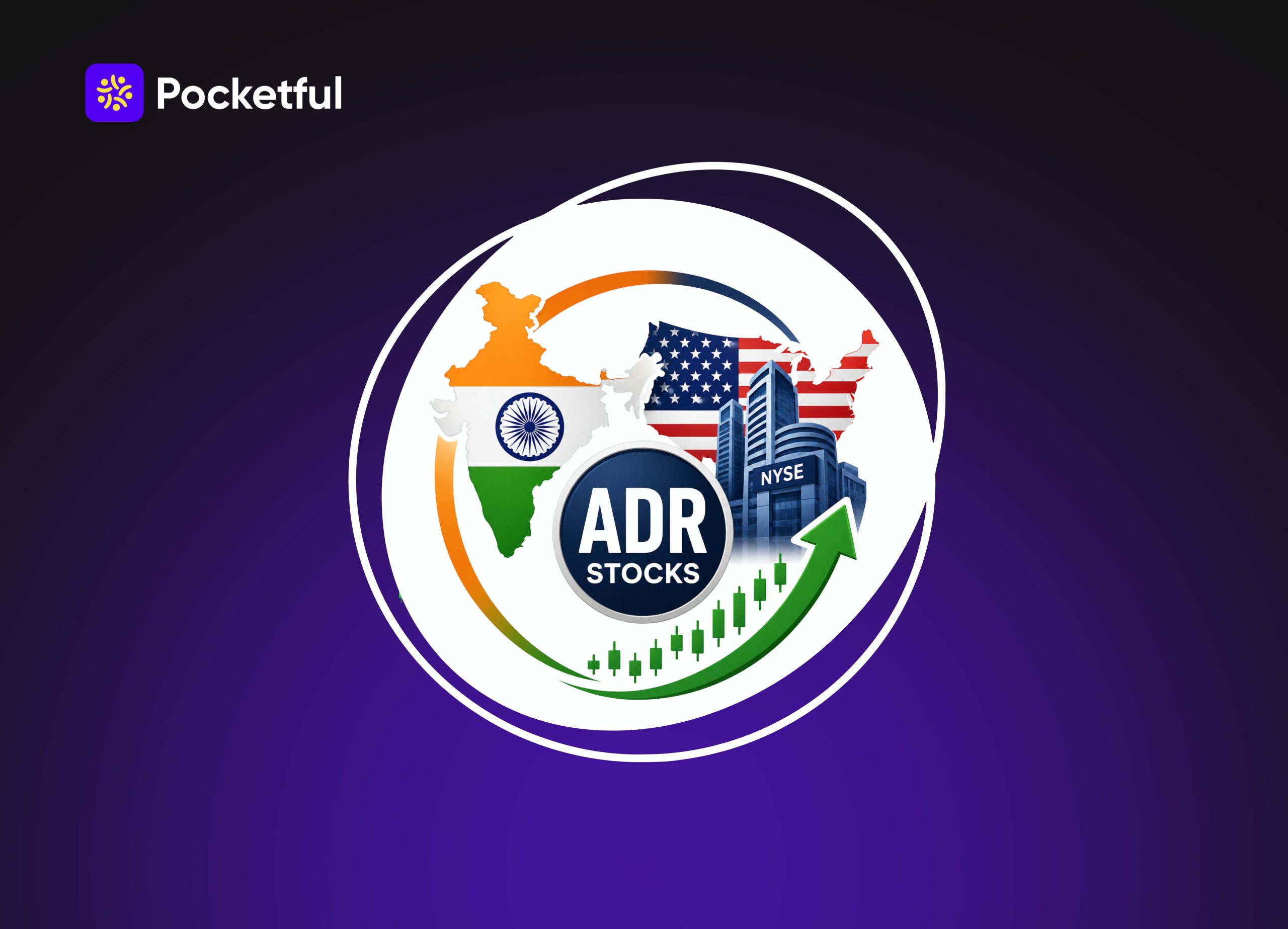
The global financial market presents vast opportunities for domestic companies to reach international heights. Businesses scale across borders to get funding and attract global recognition. Investors looking beyond local boundaries often seek reliable instruments to diversify their portfolios and capture global economic growth.
One highly effective mechanism bridges this geographical gap and connects domestic businesses with foreign capital. The framework creates a seamless investment channel for global participants. It provides an accessible route to participate in the success stories of prominent multinational corporations.
What is an ADR?
An American Depositary Receipt is a negotiable financial certificate issued by a United States bank. This certificate represents a specific number of shares in a foreign company. The instrument trades on major American stock exchanges exactly like regular domestic shares.
It allows investors in the United States to purchase foreign equities without dealing with complex currency conversions. The managing bank buys the underlying foreign shares and holds them securely in a vault. Receipts are then issued against these stored shares for public trading.
Financial professionals frequently monitor these instruments to understand broader market sentiment. Analysts use an indian adr live tracking system to observe price movements during United States market hours. This data helps predict potential reactions in the domestic market on the following trading day. Accessing a verified adr list becomes the crucial first step for anyone studying global equity trends..
Full List of Indian ADR Stocks Listed in the US
Currently, several prominent companies from India actively trade on United States exchanges. The table below presents adr stock list and core details of these international listings.
| Company | Ticker | Exchange | Listed Since | ADR Ratio | Sector |
|---|---|---|---|---|---|
| Infosys Ltd. | INFY | NYSE | 1999 | 1 ADS = 1 Equity Share | IT Services |
| Wipro Ltd. | WIT | NYSE | 2000 | 1 ADS = 1 Equity Share | IT Services |
| ICICI Bank Ltd. | IBN | NYSE | 2000 | 1 ADS = 2 Equity Shares | Banking |
| HDFC Bank Ltd. | HDB | NYSE | 2001 | 1 ADS = 3 Equity Shares | Banking |
| Dr. Reddy’s Laboratories | RDY | NYSE | 2001 | 1 ADS = 1 Equity Share | Pharmaceuticals |
| Yatra Online | YTRA | NASDAQ | 2016 | Ordinary Share | Online Travel |
Note: The data provided in the table is sourced from live market updates.
1. Infosys Ltd. (INFY)
Infosys operates as a massive global leader in next generation digital services and consulting. The company is made history in 1999 as the first Indian business to list on the NASDAQ exchange. The firm eventually transferred its listing to the New York Stock Exchange to leverage broader market partnerships.
2. Wipro Ltd. (WIT)
Wipro represents another major pillar in the global information technology and consulting industry. The company officially listed its depositary receipts on the New York Stock Exchange in the year 2000. It offers extensive capabilities in artificial intelligence, cloud computing, and cyber security services.
3. ICICI Bank Ltd. (IBN)
ICICI Bank are recognized as one of the largest and most influential private sector banks in India. The institution has provided a vast array of banking products and specialized financial services. It caters to both corporate clients and retail customers through robust digital channels and physical branches.
4. HDFC Bank Ltd. (HDB)
HDFC Bank maintains a dominant leadership position in the private banking and retail credit sectors. The financial institution is widely praised for its exceptional asset quality and extensive branch network. It listed its depositary receipts in 2001 to attract substantial capital from international institutional investors.
Global funds frequently choose this stock to participate in the expanding domestic credit market. The bank consistently demonstrates strong financial stability and impressive year over year growth metrics. The organization focuses deeply on expanding its reach into semi urban and rural domestic markets.
5. Dr. Reddy’s Laboratories (RDY)
A highly successful multinational pharmaceutical company is operated by Dr. Reddy’s Laboratories’ Essential funding for ongoing research and development initiatives are provided by the international listing. A critical role in the global healthcare supply chain is played by the company. Crucial medicines is delivered to multiple nations by them.
6. Yatra Online (YTRA)
Yatra Online is an Indian online travel company offering services such as flight bookings, hotels, holiday packages, and other travel-related services. The company began trading on the NASDAQ under the ticker YTRA in 2016 and provides US-market investors with exposure to India’s growing online travel industry.
Read Also: How to Invest in US Stocks from India
Which Indian ADRs Have Been Delisted?
Several prominent companies have successfully removed their depositary receipts from United States markets over the years:
- Tata Motors: The major automobile manufacturer voluntarily delisted its receipts from the New York Stock Exchange. The leadership took this step to simplify financial reporting structures and reduce heavy administrative burdens.
- Vedanta: This decision helped the company consolidate its complex corporate structure and streamline overall operations.
- MTNL: Mahanagar Telephone Nigam Limited previously maintained an international listing but eventually delisted. This occurred due to consistently low trading volumes and rapidly shifting dynamics in the telecommunications market.
- Sterlite Industries: This industrial company merged with other corporate entities over a period of time. The structural changes eventually led to the removal of its international depositary receipts from active foreign trading.
Can Indian Investors Buy ADR Stocks?
Here is how domestic investors typically access these overseas assets:
- The Liberalised Remittance Scheme: The Reserve Bank of India permits domestic residents to send up to USD 250,000 abroad every financial year. These designated funds can be used legally to buy shares on foreign exchanges.
- International Brokerage Accounts: Investors must open a specific trading account that grants direct access to United States markets. These specialized accounts handle the necessary currency conversion and execute the purchase of the foreign equities.
- Asset Tracking: After a successful purchase, a person simply holds the indian adr securely in their digital portfolio. They can easily monitor the adr share price through their brokerage dashboard to track daily financial performance.
- Fractional Investing Capabilities: Many advanced digital platforms allow the purchase of partial shares today. This feature ensures that investors do not need large sums of upfront capital to start building a global equity portfolio.
Conclusion
Investing in domestic companies through international exchanges offers a highly practical way to diversify financial portfolios. The prominent presence of major corporations on global platforms highlights the core strength and long term potential of these businesses. Modern financial technology and supportive regulatory frameworks have made accessing these global markets incredibly simple.
| S.NO. | Check Out These Interesting Posts You Might Enjoy! |
|---|---|
| 1 | 10 Most Undervalued Stocks in India |
| 2 | List of Best Monopoly Stocks in India |
| 3 | Top 10 Best Summer Stocks in India |
| 4 | List of Top 10 Blue Chip Stocks in India |
| 5 | List Of Best Logistics Stocks in India |
Frequently Asked Questions (FAQs)
What is the meaning of an ADR?
It stand for American Depositary Receipt, a negotiable financial certificate issued by a american bank that represents shares in a foreign company.
What are the main benefits of these investments?
They provide an incredibly easy way to invest in global markets. Investors entirely avoid foreign currency conversions and complex cross border trading regulations.
How do investors use these instruments?
Individuals purchase them through standard international brokerage accounts. They trade exactly like regular domestic shares during standard market hours on major exchanges.
Do these specific investments pay regular dividends?
Yes, they do. The managing bank receives the corporate dividend in the foreign currency, converts the money to dollars, and pays the investors directly.
Are there additional costs to use them?
Yes, minor costs exist. The banks that issue the certificates usually charge a very small fee to cover the administrative costs of holding the original shares securely.