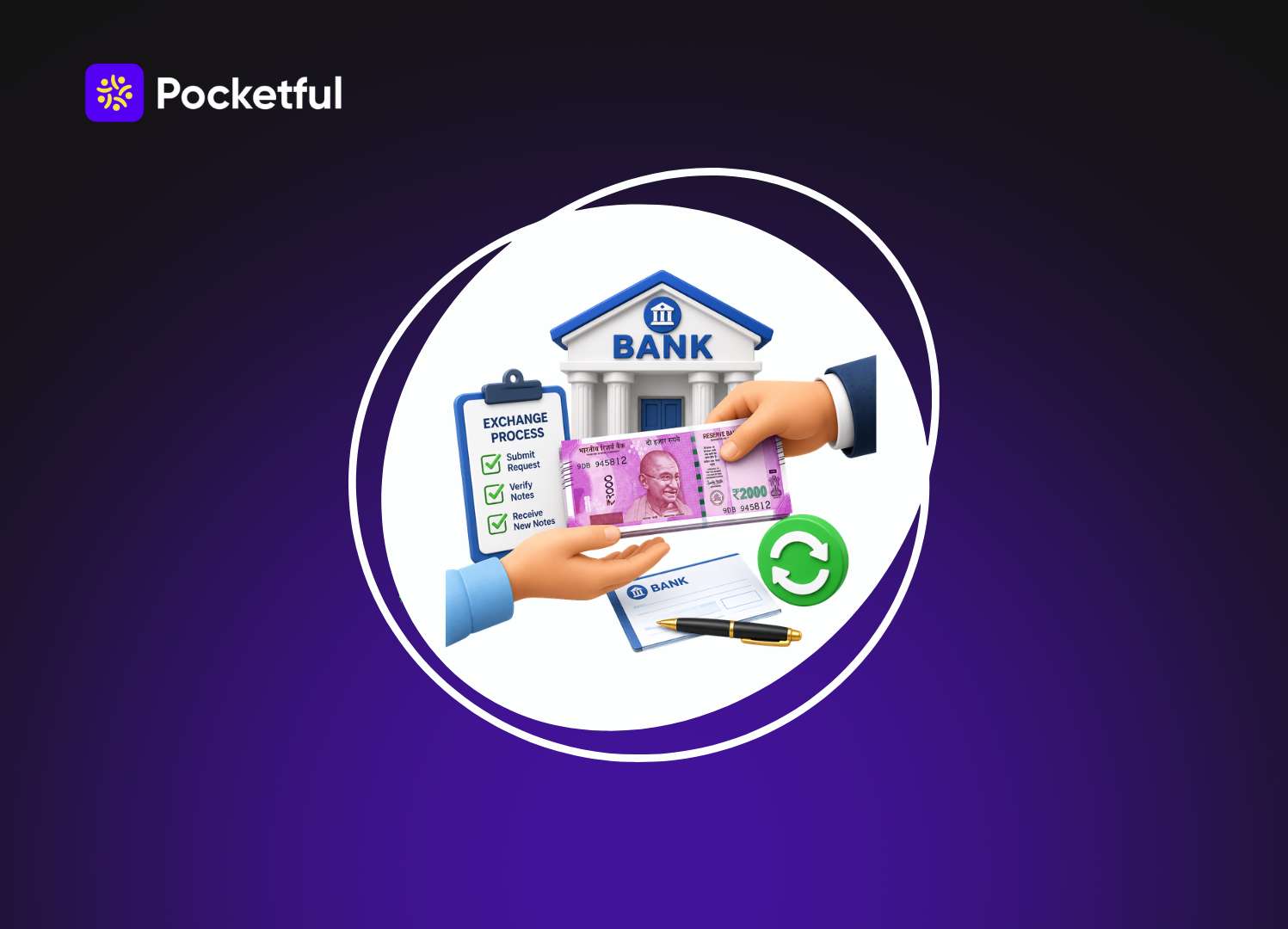
The Reserve Bank of India introduced the Rs.2,000 note in November 2016. The primary goal was to restore cash flow quickly across the nation. Over time, the central bank stopped printing new ones entirely. Today, many individuals still possess these high value notes. Some kept them for long term savings in their lockers.Others simply forgot about the extra cash stored at home. A common question is whether these notes are still legally valid. The answer is absolutely yes, the Rs.2,000 notes remain legal tender in the country today. People can legally hold them without any penalty.
Can You Still Exchange Rs 2000 Notes in India?
For individuals looking to manage their currency properly, a 2000 notes exchange is the best step forward.The central bank has outlined very clear rules for this process. People often wonder if an rbi 2000 note exchange is still active. Yes, the facility remains fully operational for the public.
It is important to understand the difference between legal tender and active circulation. Legal tender means the money is officially valid for payments. Circulation means the money is freely moving in the daily market.
These 2000 notes hold legal tender status today. However, they are no longer in active daily circulation. Commercial banks stopped accepting them over the counter on October 7, 2023.
Today, a direct 2000 note exchange is not possible at regular local banks. The latest RBI guidelines state that individuals must visit designated offices. There are 19 specific RBI Issue Offices located across the country.
A smooth 2000 rs note exchange requires following these official channels. Over 98 percent of the notes have already returned to the banking system safely.
| Parameter | Current Official Status |
|---|---|
| Legal Tender Status | Fully active and valid in 2026 |
| Normal Bank Branch Exchange | Closed permanently since October 7, 2023 |
| RBI Issue Office Exchange | Available up to Rs.20,000 per visit |
| Postal Exchange Facility | Available safely via India Post |
Why Did RBI Withdraw Rs.2000 Notes?
Rs.2000 notes were introduced into the Indian banking system in 2016 when demonetization took place. The central bank and the economy needed cash that could be injected into the economy. This specific goal was achieved very successfully within a few years.
The printing of these high value notes stopped completely in 2018 and 2019. One major reason for the withdrawal is proper currency management. The Clean Note Policy ensures that only good quality currency stays in the market.
Most of these notes had completed their estimated lifespan of four to five years. High denomination usage was also very low for regular daily transactions.
People mostly prefer smaller notes for buying basic goods and services. Therefore, the central bank focused on replacement with lower denominations. There is now an adequate supply of other notes available.
Ways to Exchange Rs.2000 Notes
There are two main methods available for the public today. Both methods follow strict regulatory guidelines to ensure safety.
- Exchange Through RBI Issue Offices: Any member of the public can visit the 19 regional offices. The exchange process involves filling out a simple request form at the counter. A cash limit of Rs.20,000 was set for every person per visit. The timings match standard official working hours, so reaching early is advised.
- Deposit into Your Bank Account: People can also choose to deposit the money directly into their accounts. Deposits are fully accepted through India Post or directly at the RBI offices. Eligibility requires an active and fully verified bank account. Important conditions apply, such as submitting PAN details for large cash amounts.
Read Also: Is ₹2000 Note Still Valid in India in 2026?
Step-by-Step Process to Exchange Rs.2000 Notes
Here are some steps that can be followed if you want to exchange your Rs.2,000 notes in India.
- Step 1 – Verify eligibility: Kindly make sure that the notes are genuine and are not damaged. Torn notes require a different evaluation process under specific refund rules.
- Step 2 – Visit the appropriate office: Go directly to one of the 19 RBI Issue Offices. Alternatively, visit a registered local post office to mail the notes safely.
- Step 3 – Carry valid identification (if required): Keep original government ID proofs ready in hand. This is mandatory for official record keeping and verification.
- Step 4 – Submit the exchange/deposit request: Hand over the physical notes along with the filled form. Make sure the bank account details are highly accurate for direct deposits.
- Step 5 – Receive acknowledgment or credit: Collect the smaller notes immediately at the cash counter. For deposits, the equivalent amount will be credited to the bank account after proper verification.
Documents Required for Exchanging Rs.2000 Notes
Official verification is a crucial part of the entire process. The central bank strictly monitors these financial transactions to prevent misuse.
Individuals must submit proper Identity Proof at the counter. Valid options include a standard Aadhaar card or a PAN card. A valid Passport or a Voter ID is also fully acceptable for this purpose.
For cash deposits exceeding Rs 50,000 in a single day, quoting a PAN is compulsory. This rule complies directly with the existing income tax regulations.
Important RBI Rules You Should Know
Understanding the core rules prevents unnecessary delays at the counter. The central bank has simplified the guidelines for public convenience.
- Exchange limits: Physical cash exchange is capped at exactly Rs 20,000 at a time. This limit applies to a single visit to the office.
- Deposit rules: There is absolutely no maximum limit for depositing the money into a bank account.
- Whether non-account holders can exchange: Yes, individuals do not need a specific bank account to get physical cash. Any citizen can utilize this facility freely.
- NRI provisions (if applicable): Non-Resident Indians can deposit the money safely into their NRO accounts. They must follow standard Foreign Exchange Management Act regulations.
- Postal facility (if available): Citizens can easily send the money via insured registered post addressed to the RBI offices. A clear covering letter is required inside the envelope.
- Charges involved: The entire exchange and deposit facility is totally free of cost. Postal charges apply only for the mailing service itself.
Can Someone Else Exchange Rs.2000 Notes on Your Behalf?
There are real situations where the owner cannot visit the office personally. The banking system allows trusted individuals to help out.
- Authorization: The actual account holder can provide a formal authorization letter to a trusted representative. This document clearly assigns responsibility for the transaction.
- Third-party exchange: The representative must present the signed letter and ID proofs for both individuals. They take full legal responsibility for handing over the cash.
- Rules for senior citizens: Banks and RBI offices are instructed to provide special assistance to older individuals. This reduces their wait time significantly at the counters.
- Rules for physically challenged individuals: Special physical arrangements are made to ensure easy access. This often includes dedicated queues and priority service.
What If Your Nearby Bank Is Not Accepting Rs.2000 Notes?
Local commercial banks are no longer allowed to accept these notes. This strict rule has been firmly in place since late 2023.
- Visit an RBI Issue Office: This is the primary designated location for all such transactions today. They handle these requests daily.
- Contact RBI Helpline: If any individual is facing issues they can directly call on toll free number 14448. The helpful staff offers accurate guidance during normal working hours.
- Lodge a Complaint: If an authorized entity wrongly refuses service, an official complaint is highly encouraged. You can directly do this by going and filing an online complaint on the CMS portal.
Common Mistakes to Avoid While Exchanging Rs.2000 Notes
Being well prepared is always the best strategy so that mistakes or errors can be avoided.
- Visiting the wrong branch: Going to a normal bank branch is a common error that wastes precious time. They simply do not have the authority anymore.
- Not checking current RBI guidelines: Banking rules can update without warning. Verifying the latest official notices online is highly recommended.
- Carrying damaged notes without understanding the rules: Mutilated or burnt notes require a completely different evaluation. They must be processed under specific Note Refund Rules.
- Ignoring exchange deadlines (if any): While no final deadline exists currently, delaying the process carries future risks. The notes could face further restrictions later.
- Forgetting identity proof: Officials will instantly reject requests without proper government ID. Always double check the document folder before leaving home.
Benefits of Exchanging Rs 2000 Notes Promptly
Acting fast has many positive results for personal finance. It instantly removes unnecessary financial worry from the mind.
- Better liquidity: Having smaller currency notes makes daily spending much easier. Small cash is always highly useful for basic grocery needs.
- Easier transactions: Shopkeepers often refuse large notes due to a severe lack of change. Smaller notes fix this annoying issue instantly.
- Avoid inconvenience: Finishing this task early prevents sudden panic if future restrictions are announced. It brings long term peace of mind.
- Compliance with RBI guidelines: Returning the notes helps the central bank manage the national economy efficiently. It ensures all personal funds are fully secure and legal.
Conclusion
Taking proper care of personal finances is always a smart habit. Changing these high value notes ensures safety and peace of mind. The whole process is actually very straightforward and secure. The central bank has made sure that citizens have fair options available. It is always better to finish this important task early and enjoy simpler daily purchases.
For more market news and insights, download Pocketful – offering users zero brokerage on delivery trades and an easy to use platform designed for both beginners and experienced investors.
Frequently Asked Questions (FAQs)
Can regular local banks accept the 2000 notes now?
No, regular commercial banks stopped accepting them for exchange or deposit on October 7, 2023. They must be taken exclusively to the specific regional RBI offices.
Is the 2000 note still legal money in India?
Yes, it completely remains legal tender today. However,many shopkeepers hesitate to take them, so exchanging them is highly recommended.
How much 2000 cash can be exchanged at one single time?
An individual can exchange up to Rs.20,000 for other cash denominations in a single visit. There is no limit for direct bank deposits.
What happens if a person sends 2000 notes by post?
If sent through India Post with the correct form and bank details, the central bank verifies the money. It then deposits the amount directly into the sender’s bank account.
Are there any fees for exchanging these high value notes?
No, the entire exchange and deposit facility provided by the central bank is completely free of cost. There are absolutely no hidden charges involved.