India is dependent on rice and wheat and they make a huge business environment. Investors can get exposure to this vital food market through a number of listed companies, from rice exporters to packaged atta brands.
India started 2026 with record rice stocks and a healthy inventory position in wheat, also putting the sector under focus. Government data showed rice stocks at record levels while wheat inventories were at five-year highs, providing the government more freedom to regulate domestic supplies, prices and exports. This has brought rice stocks in India, as well as companies with exposure to wheat and food staples, into focus.
In this blog, we look at what wheat and rice stocks are, the major listed companies in the segment, factors that can influence their performance and how investors can identify them through Pocketful.
What Are Wheat & Rice Stocks?
Wheat and rice stocks are stocks of listed companies involved in processing, packaging, branding, selling or exporting wheat, rice and related food products. Regarding rice stocks, many companies have a direct exposure to rice milling, basmati and non-basmati rice, packaged rice and exports in India.
Wheat stocks are less in India as wheat is usually part of a larger food or FMCG business through products such as atta and flour. Investors looking for rice stocks India will need to consider commodity prices, government policies, export demand, margins and consumer demand, which can impact company performance.
Why Are Rice & Wheat Stocks in Focus?
India’s grain inventory position has become an important development for the agricultural and food-processing industry.
According to data reported in June 2026, India’s government-held rice stocks reached a record high, while wheat inventories reached their highest level in five years. Rice and wheat production for the 2025/26 crop year also reached record levels of 154.02 million tonnes and 120.66 million tonnes, respectively.
The strong stock position gives the government greater flexibility to manage domestic food supplies.
For rice, higher inventories can support exports because India has sufficient domestic supplies. India accounts for around 40% of global rice exports, making its inventory and export policies important for the global rice market.
For wheat, higher government stocks can help authorities release additional supplies into the market if prices rise sharply.
This creates both opportunities and challenges for companies operating in the segment.
List of Wheat & Rice Stocks in India
Here are some leading listed companies investors can research:
| Company | Major Exposure |
|---|---|
| KRBL Ltd | Basmati & non-basmati rice |
| LT Foods Ltd | Basmati rice & packaged foods |
| Chaman Lal Setia Exports Ltd | Basmati rice |
| GRM Overseas Ltd | Rice processing & exports |
| Kohinoor Foods Ltd | Rice & food products |
| Sarveshwar Foods Ltd | Rice & food products |
| AWL Agri Business Ltd | Rice, atta, edible oils & food products |
| ITC Ltd | Atta, wheat-based foods & FMCG |
The first group gives relatively direct exposure to rice, while Adani Wilmar and ITC are diversified businesses with indirect exposure to wheat and rice.
Overview of Wheat & Rice Stocks in India
1. KRBL Ltd.
KRBL is one of the most prominent names among rice stocks in India. The company is best known for its India Gate brand and operates across rice processing, milling, branding and exports. Its exposure to both basmati and non-basmati rice gives it a presence across different segments of the rice market.
For investors researching its Performance, KRBL made a 5.59% YoY revenue decline to ₹1,495.86 crore in Q1 FY27, while net profit jumped 73.16% to ₹260.74 crore. Its EBITDA grew 65% YoY, supported by strong domestic demand, lower costs and significant margin expansion.
Its branded business is also important because branded products can potentially offer better pricing power than purely commodity-focused businesses.
2. LT Foods Ltd
LT Foods is another major name in the Indian rice industry and is known for brands such as Daawat.
The company has a strong exposure in basmati rice and works across branded and non-branded food products. Its international availability also gives it exposure to overseas consumer demand and export markets.
For investors looking at rice stocks India, LT Foods is Valuable research because its reported 27.92% YoY revenue growth to ₹3,151.83 crore in Q1 FY27, while net profit rose 8.87% to ₹183.45 crore. Growth was driven by strong demand across its Basmati and Specialty Rice segments, particularly in North America.
The company’s diversified food portfolio also means that its performance does not depend entirely on the price of rice.
3. Chaman Lal Setia Exports Ltd
Chaman Lal Setia Exports is focused on the processing and export of basmati rice. The company provides relatively direct exposure to the rice-export market and is therefore relevant for investors searching for rice stocks.
Chaman Lal Setia is small compared to other listed peers, reporting 12.58% YoY revenue growth to ₹345.92 crore in Q1 FY27, while net profit jumped 47.78% to ₹31.99 crore. EBITDA grew 48% YoY, supported by stronger export realisations and significant margin expansion.
Investors should also evaluate its profitability, debt, working capital and cash flows before considering the stock.
4. GRM Overseas Ltd
GRM Overseas operates in rice processing and exports and is another listed name investors may consider when researching rice stocks in India. The company has exposure to basmati rice and packaged food products.
GRM Overseas reported 30.5% YoY revenue growth to ₹426.51 crore in Q1 FY27, while net profit rose 10.2% to ₹21.04 crore. EBITDA increased to ₹35.5 crore, with margins expanding to 8.33%, supported by strong growth in its core Food segment.
Because it is smaller than some of the major companies in the sector, investors should pay close attention to financial stability, working capital and earnings volatility.
5. Kohinoor Foods Ltd
Kohinoor Foods is associated with the Kohinoor brand and has exposure to rice and food products. Kohinoor Foods Ltd reported a net profit of ₹2.10 crore in Q1 FY27, supported by total revenue of ₹29.60 crore for the quarter ended June 2026.
However, investors should not select a stock only because it operates in an attractive industry. The company’s latest financial performance, debt position, cash flows, valuation and business outlook should also be examined.
6. Sarveshwar Foods Ltd
Sarveshwar Foods operates in the food-processing business and has exposure to rice and related food products.
The company is another smaller listed option for investors researching rice stock in India.
Its performance can be affected by raw-material prices, domestic and export demand, working capital and government policies.
7. AWL Agri Business Ltd
AWL Agri Business Ltd is a diversified food and FMCG company with a presence across several food categories. Its portfolio includes products such as basmati rice, atta, edible oils and other packaged food staples, giving investors indirect exposure to the rice and wheat value chains.
However, it should not be viewed as a pure-play wheat stock in India, as its business is across multiple food and consumer segments. Its performance can therefore be influenced by commodity prices, consumer demand, input costs and broader FMCG trends.
AWL Agri Business reported 18% YoY sales growth to ₹20,048 crore, while net profit jumped 48% to ₹350 crore in Q1 FY27. Its rice business delivered double-digit volume growth, supported by stronger demand and improved operating performance.
8. ITC Ltd
ITC is one of the largest diversified consumer businesses in India and provides indirect exposure to wheat through products such as Aashirvaad atta and other packaged foods.
So, for investors looking for wheat stocks in India, ITC can be looked at as a broader FMCG and food play rather than a pure wheat company.
The upside of this business model is it diversifies. Fluctuations in the price of wheat are only one component that influences the company’s total earnings.
Read Also: Best Monopoly Stocks in India
Impact of India’s Record Rice & Wheat Stocks on Investors
India’s high grain inventories are an important factor for investors to understand.
The latest data showed government rice stocks at a record level and wheat inventories at a five-year high. Higher procurement and record production have contributed to the comfortable supply position.
1. Positive for Rice Exports
High rice inventories can allow India to maintain strong export availability without compromising domestic food security.
This can potentially benefit companies involved in rice exports if international demand remains strong.
2. Potential Pressure on Commodity Prices
At the same time, abundant supply can put pressure on commodity prices.
For processors and exporters, lower raw-material prices can sometimes support margins, but the benefit depends on how quickly selling prices adjust and how effectively companies manage inventory.
3. Stronger Wheat Availability
Higher wheat inventories provide the government with greater flexibility to release stocks into the market and control potential price increases.
This can benefit food processors by improving raw-material availability, although the effect on individual companies will depend on their procurement and pricing structures.
4. El Niño Risk
Weather remains an important factor for the agricultural sector. India’s large inventory provides a cushion against potential weather-related disruptions, but investors should continue to monitor monsoon conditions, crop acreage and production forecasts.
Factors That Affect Rice & Wheat Stocks
Before investing in rice stocks or wheat-related companies, investors should monitor several factors.
- Commodity Prices: Changes in paddy and wheat prices directly influence the cost structure of processors.
- Government Policies: Export restrictions, procurement policies, minimum support prices and open-market sales can significantly affect the sector.
- Export Demand: For rice exporters, international demand is a major earnings driver. India is one of the world’s largest rice exporters, making global trade conditions particularly important.
- Weather Conditions: Monsoon rainfall, droughts and other weather events can affect crop production and raw-material availability.
- Currency Movements: Export-oriented companies can be affected by movements in the Indian rupee against global currencies.
- Branding: Companies with strong consumer brands may have greater pricing power than businesses operating only in commodity markets.
- Working Capital: Rice businesses can require substantial inventory and working capital. Investors should therefore examine cash flows and inventory levels alongside reported profits.
How to Invest in Rice & Wheat Stocks with Pocketful?
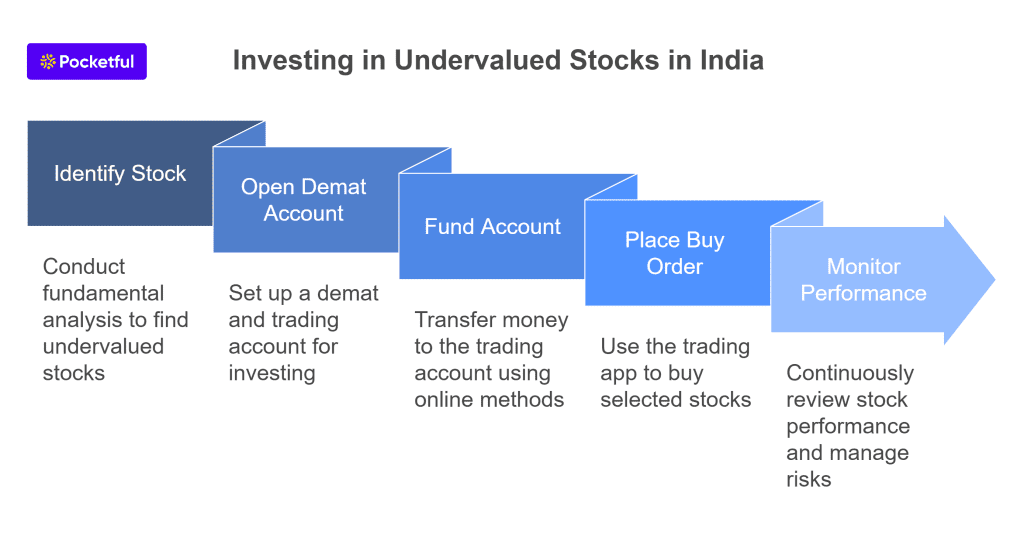
After researching rice stocks in India or companies with wheat exposure, investors need a demat and trading account to purchase listed shares.
The process is straightforward:
Step 1: Open a Pocketful Account
Open a demat and trading account through Pocketful and complete the required KYC process with Aadhar Card, Pan Card and Bank Statement.
Step 2: Search for the Stock
Use the stock Screener tool to find companies like Rice & Wheat Stocks or other listed rice and food companies.
Step 3: Research the Company
Before investing, review the company’s revenue growth, profitability, debt, cash flows, valuation, margins and business outlook.
Step 4: Decide Your Investment Amount
Determine your allocation based on your financial objectives and risk tolerance. Avoid concentrating your portfolio in a single company or commodity.
Step 5: Place the Order
After completing your research, select the stock, enter the quantity and place a buy order through the Pocketful platform.
Step 6: Track the Investment
Once purchased, monitor the company’s quarterly results, commodity prices, government policies, export demand and broader industry developments.
Read Also: Best Recycling Stocks in India
Are Rice & Wheat Stocks a Good Investment?
Rice and wheat are essential food commodities, giving companies operating in the segment exposure to long-term consumption demand. India’s strong production and inventory position can also support food security and provide flexibility for exports.
However, rice stocks are not automatically good investments simply because rice demand is strong.
Investors should evaluate the individual company’s financial health, valuation, competitive position, export exposure, margins, debt and cash flows.
The impact of high grain inventories can also differ from company to company. A rice exporter could benefit from greater export availability, while excessive supply could put pressure on commodity prices and selling prices.
Therefore, investors should focus on company fundamentals rather than only the commodity story.
Conclusion
India’s wheat and rice sector continues to be a backbone of the food economy, underpinned by strong production and high inventories. If you are an investor looking at rice stocks in India, you might want to study names like KRBL, LT Foods, Chaman Lal Setia Exports, GRM Overseas, Kohinoor Foods and Sarveshwar Foods. In India, where wheat stock is less and available mostly through diversified food companies like AWL Agri Business and ITC. However, before investing, investors should watch commodity prices and exports, government policies, weather and company fundamentals.
Frequently Asked Questions (FAQs)
What are top Stocks in Rice & Wheat Industry
Leading among the rice-related companies in India are KRBL, LT Foods, Chaman Lal Setia Exports, GRM Overseas, Kohinoor Foods and Sarveshwar Foods. In the case of wheat, however, the number of listed companies is more restricted, the only ones being AWL Agri Business and ITC, which provide exposure via their wider food portfolios.
What are some of the top rice and wheat stocks in India?
The top rice and wheat stocks in India are Adani Wilmar Limited, LT Foods Limited, Kaveri Seeds Limited, KRBL Limited, etc., according to market capitalization.
What are the major factors which can affect the performance of rice and wheat stocks?
The significant factors that can affect the performance of companies engaged in the production and distribution of rice and wheat are the policies of the government, weather conditions, demand and supply, cost of production, etc.
Are wheat and rice stocks defensive investments?
Yes, investment in wheat and rice stocks is considered a defensive investment because the demand for these products remains constant even during the phases of economic downturn.
How does Monsoon effect Rice & Wheat Stocks
Weather change can have all sorts of impacts on agriculture, whether it be crop production, availability of raw materials, or commodity prices. Crop yields can be increased, thereby promoting development of rural areas thanks to rainfall, but when rainfall levels are low, crops may either produce little output or even fail, in which case costs of inputs go up.
How to Invest in rice & wheat Stocks
It is just like investing in other listed companies to invest in stocks of rice and wheat. Using Pocketful, investors are able to open a demat and trading account, carry out research into a company’s financial position, understand the company’s exposure to commodities and exports, and then purchase shares in accordance with their own goals and level of risk tolerance.
| Selection Methodology and Important Disclaimer The stocks included in this list are selected primarily on the basis of their market capitalisation, which represents the total market value of a company’s outstanding shares. The companies are arranged in descending order of market capitalisation, with larger companies appearing first, followed by relatively smaller companies. This methodology is intended to provide a structured approach for identifying companies based on their market size and overall presence within a sector. However, market capitalisation should not be considered the sole factor while evaluating investment opportunities, as it does not guarantee future performance, profitability, or returns. Investors should also assess other important factors such as financial health, business fundamentals, management quality, valuation metrics, industry outlook, and market conditions before making investment decisions. The information provided is for educational and informational purposes only and should not be construed as investment advice, recommendation, solicitation, or an offer to buy or sell any securities by Pocketful Fintech Capital Private Limited. |