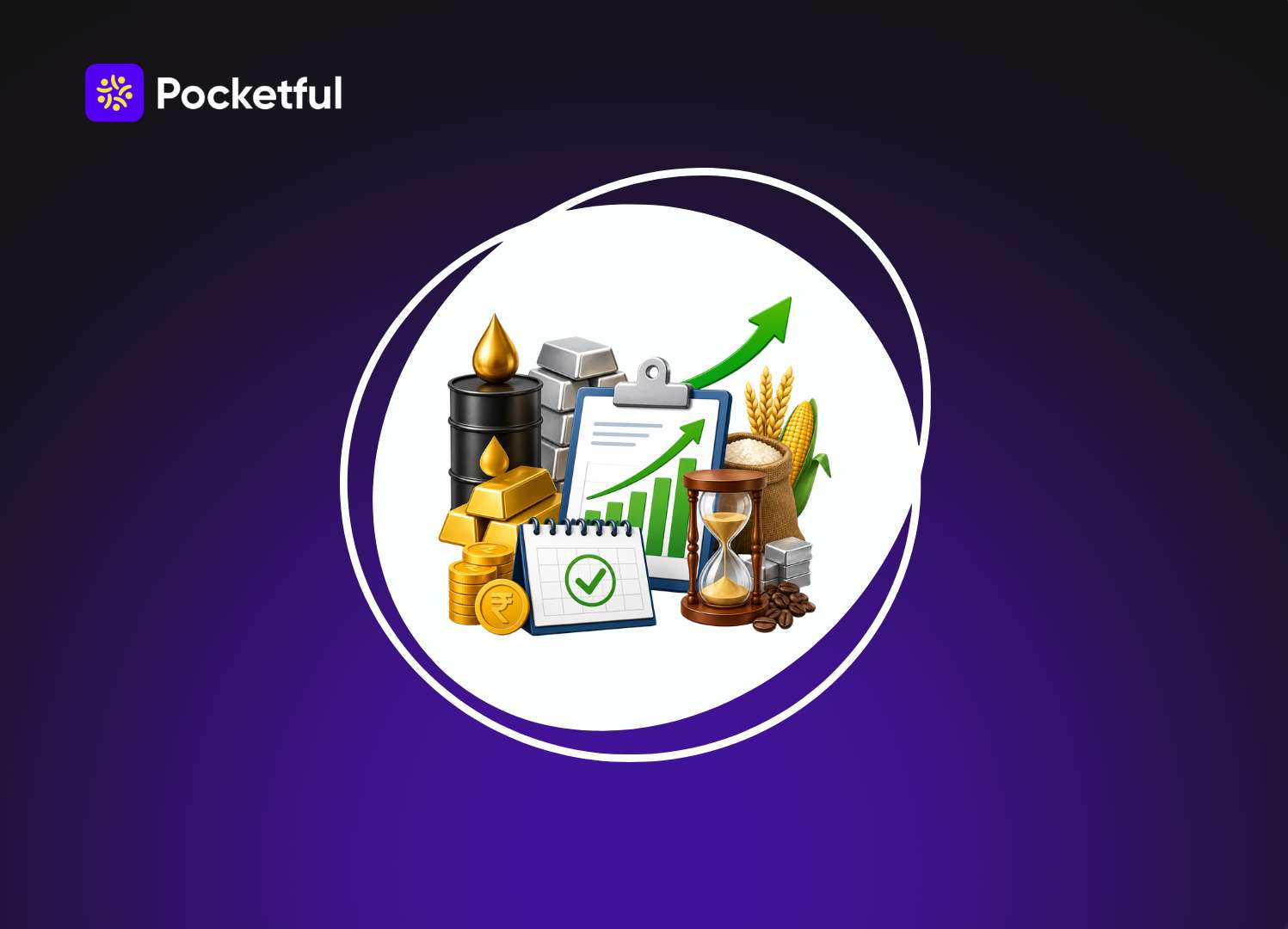
The world of finance goes far beyond just company stocks and mutual funds. commodities like Gold, silver, Crude oil, and even wheat play a massive role in the global economy. These physical goods are known as commodities. People rely on them daily, and their prices move based on global supply and demand.
In the past, only big companies and wealthy traders could easily buy and sell these materials. Today, things are very different and much simpler. Modern technology allows regular people to add these real world assets to their portfolios with just a few clicks on their phones.
If you are planning for the future, understanding these assets can add a strong safety net to your financial life. Let us explore how you can take advantage of this space easily and securely.
Meaning of Investment Long Term in Commodities
Commodity investing simply means putting your money into physical goods like gold, oil, or crops. Instead of buying a share in a company, you are investing in the raw materials that the world needs to survive. Commodities act as a great shield against this inflation. When the cost of living rises, the prices of these raw materials tend to rise as well.
This helps protect the true value of your money. Another big reason to invest in commodities is to mix things up in your portfolio. Stocks and bonds can be risky if the economy takes a hit. Commodities often move in a completely different direction. If the stock market falls, a rise in gold prices can help cover your losses.
Reasons to Invest in the Commodity Market
When stock markets fall, investors often look for safer places to park their money. There are several strong reasons why Indian investors choose to add these assets to their financial plans :
- Strategic portfolio rebalancing: Commodities do not move in the same direction as regular company shares. This helps reduce your overall risk when stock markets fall.
- Inflation Hedge: Hard assets like gold and oil usually go up in price when the daily cost of living rises. This helps protect your buying power.
- Accessing International Market growth: The prices of these goods react directly to international economic changes and global supply.
- Physical Wealth: These are physical goods that hold real value and daily utility, giving you a sense of security.
- Alternative Investment Choice: They offer an extra layer of safety without making your portfolio too complicated.
Many experts believe that commodity investing is a great way to protect your purchasing power over time. However, the best commodity to trade or hold for your personal goals depends on how long you stay invested.
Understanding the Two Main Categories
Before we put our money anywhere, we need to know what we are buying. Commodities are mainly divided into two broad categories.
- Metal and Energy : These are the most commonly used commodities in our day to day life they are mined or extracted from the earth. Examples include gold, silver, crude oil, and natural gas.
- Agricultural goods : These are basic agricultural goods that are grown and harvested. Examples include wheat, sugar, coffee, and cotton.
Popular Ways to Invest in Commodities
There are several easy ways to start your journey in India. You do not need to buy physical barrels of oil or heavy bars of gold. You can do it all digitally and securely.
Let us look at a quick comparison of the most popular methods available to Indian investors.
| Investment Route | Meaning | Suitable for | Account Needed |
|---|---|---|---|
| Sovereign Gold Bonds (SGBs) | Government bonds linked to gold prices. | Long term savers looking for safety. | Bank or Post Office (Demat optional). |
| Commodity ETFs | Funds that track live commodity prices. | Beginners wanting simple digital access. | Demat and Trading Account. |
| Mutual Funds / FoFs | Funds that invest in multiple ETFs. | Beginners without a Demat account. | Mutual Fund platform account. |
| Futures Market (MCX) | Contracts to buy or sell at a future date. | Advanced and experienced traders. | Commodity Trading Account. |
Read Also: Best Commodities to Trade in India
How to Invest in Commodities Step by Step
Getting started is much simpler than it sounds. The digital age has removed all the complicated paperwork. If you want to begin, just follow these simple steps.
- Step 1: Open a Trading and Demat Account. Your first move is to find a stockbroker registered with the Securities and Exchange Board of India (SEBI). You will need these accounts to buy ETFs, bonds, or futures. If you are looking for a reliable platform, you can check out Pocketful. It is a fantastic place to manage stocks, mutual funds, and commodities all in one single app.
- Step 2: Complete Your KYC. Before you can buy anything, you must complete your Know Your Customer (KYC) process. You will need your PAN card, Aadhaar card, and basic bank details. Modern apps allow you to do this completely online within just a few minutes.
- Step 3: Fund Your Account. Transfer money from your linked bank account into your trading wallet.
- Step 4: Place Your Order and Monitor. Search for your preferred asset on your broker’s application. Check the live market price, enter the quantity you want, and place a buy order.
Long Term Commodities: Spot vs Futures Market
When you decide to enter the commodity market, you will hear two common terms. These are the spot market and the futures market. They are simply two different ways to buy and sell raw materials.
The spot market is like going to a shop and buying a gold coin. You pay the cash, and you get the physical item on the spot. The price you pay is based on the current market value right at that moment.
The futures market is a bit different. Here, you are not taking the physical good home today. Instead, you sign a contract to buy or sell a commodity at a fixed price on a future date. This is how most people trade items like crude oil or large amounts of agricultural goods.
Futures are great because you do not have to worry about storing large barrels of oil. But they do come with a catch for long term investors. Futures contracts have expiry dates. Here is a quick comparison to make things clearer for you:
| Feature | Spot Market | Futures Market |
|---|---|---|
| Delivery | You get the physical item immediately. | Delivery happens on a set future date. |
| Holding Time | You can keep it forever without extra fees. | Contracts expire and need to be rolled over. |
| Storage | You must find a safe place to store it. | You do not need to store physical goods. |
| Best For | Buying physical Gold and silver Jewelry. | Trading oil, Natural gas, or base metals. |
Risks Associated with the Market
While these assets offer great benefits, they also carry unique risks that you must consider before committing your capital :
- Volatility in price: Sudden weather changes or global political events can cause rapid and dramatic price shifts.
- Leverage Risk in Futures: Borrowing money from your broker to trade can multiply your gains, but it can also heavily increase your financial losses.
- Liquidity challenges: Some markets might not have enough active buyers or sellers, making it hard to exit your position at a good price.
- Storage cost of commodity : If you buy physical metals, you have to pay extra for safe storage and insurance.
- Regulation and taxes: New government policies or tax changes can directly impact your overall returns.
Check Out – Commodities Screener
Tips for Successful Investing
Navigating the market becomes much easier when you follow a few basic rules :
- Stick to the basic commodities: Begin with highly tracked assets like gold or crude oil to easily understand how their prices move.
- Don’t use Too Much on Leverage: Do not overuse borrowed funds. Always trade within your comfortable risk limits.
- Always check global Events: Keep an eye on global events like weather changes and trade tensions, as they quickly impact prices.
- Clear Entry and Exit Plans: Set clear target prices to lock in your profits or reduce your losses before you start trading.
- Use Stop Loss Orders: Protect your money from sudden market drops by setting pre defined loss limits when trading futures.
- Don’t put all your eggs in one basket: Diversify your money across different categories like energy, metals, and agriculture to cushion against sudden drops.
Conclusion
We hope this guide has made the world of commodities a bit clearer for you. Investing in raw materials is a wonderful way to add strength to your financial journey. It helps you build a safety net that can withstand rising prices and market crashes.
You do not need to be a big financial expert to start. Use the platforms like pocketful to trade in commodities markets and grow your portfolio. Happy investing !
Frequently Asked Questions (FAQs)
What are commodities in investing?
Commodities are tangible assets, such as gold, silver, crude oil, and agricultural goods, that investors utilize for portfolio diversification and hedging against inflation.
How can beginners invest in commodities in India?
Beginners can engage with commodities by utilizing a trading account to invest via commodity exchanges, mutual funds focused on commodities, exchange-traded funds (ETFs), or commodity derivatives.
Which commodity is best for long-term investment?
Gold is frequently seen as a Popular choice for doing commodity investments, owing to its track record of maintaining value and serving as protection against rising prices.
What is the difference between commodity investing and commodity trading?
Commodity investing focuses on long-term wealth creation, while commodity trading involves short-term buying and selling to profit from price movements.
Can I use ETFs to invest in commodities?
Yes, you certainly can. ETFs or Exchange Traded Funds are a very simple way to invest in gold and silver. You can buy them just like regular shares from your Demat account.
How much of my portfolio should be invested in commodities?
Many investors dedicate between 5% and 15% of their holdings to commodities as a means of enhancing diversification, based upon their financial objectives and capacity for risk-taking.